Takaichi Seeks Safeguards Ahead of Trump-Xi Summit
Japan aims to protect its strategic interests as US and Chinese leaders prepare to meet in Washington for the first time in a decade.
Key points
- Takaichi meets Trump on Tuesday, two days before Xi’s first US state visit in over a decade.
- Japan seeks to prevent its strategic interests from being compromised in US-China negotiations.
- Relations between Tokyo and Beijing remain strained following controversial remarks on Taiwan.
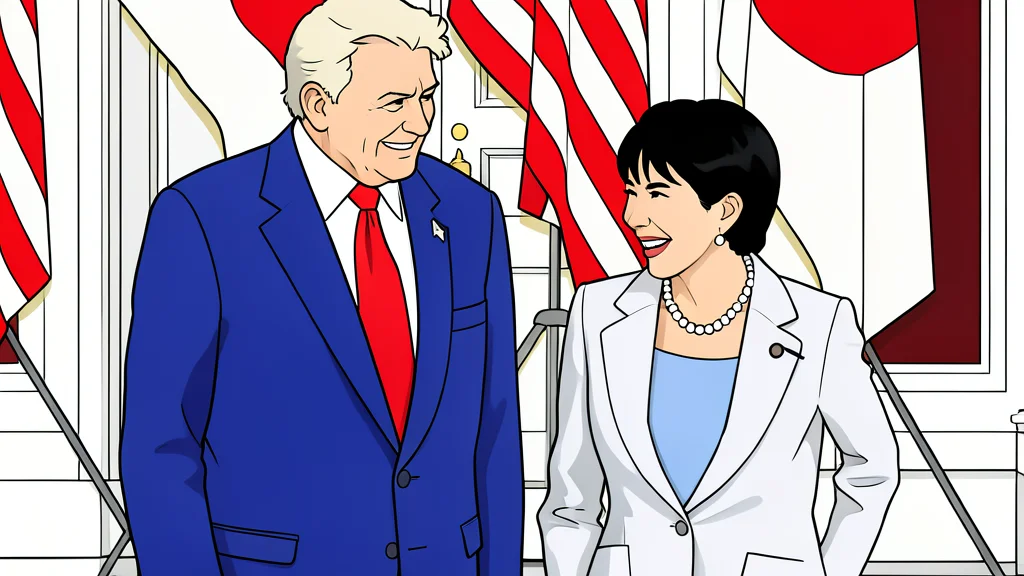
Japanese Prime Minister Sanae Takaichi is set to meet US President Donald Trump in New York on Tuesday, a high-stakes diplomatic engagement that occurs just days before the American leader hosts Chinese President Xi Jinping. While the two heads of state will address the United Nations General Assembly, the looming presence of the upcoming Xi-Trump summit casts a significant shadow over the bilateral discussions in Tokyo and New York.
According to analysts cited by the South China Morning Post, Tokyo is determined to ensure that its vital national interests are not compromised or traded away during the high-level negotiations between Washington and Beijing. The timing creates a delicate diplomatic scenario where Japan must navigate its alliance with the United States while managing strained relations with its powerful neighbor to the north.
Timing of the upcoming summit
The sequence of events is critical to understanding the current geopolitical tension. Trump is scheduled to meet Xi in Washington on Thursday, marking the Chinese leader's first state visit to the United States in over a decade. This high-profile meeting comes at a sensitive moment for the US administration, which is reportedly eager to secure tangible results ahead of the November midterm elections.
For Japan, the proximity of these two major diplomatic events creates a window of vulnerability. Officials are working to frame the Takaichi-Trump talks to reinforce the US-Japan alliance, ensuring that any agreements reached between Washington and Beijing do not come at the expense of Tokyo’s security guarantees or economic interests in the Indo-Pacific region.
Diplomatic freeze with Beijing
The backdrop for these negotiations is a marked deterioration in relations between Tokyo and Beijing. Tensions escalated following Prime Minister Takaichi’s remarks last November, in which she suggested that an attack on Taiwan could constitute a “survival-threatening situation” for Japan. These comments reportedly infuriated the Chinese government, leading to a months-long diplomatic freeze that continues to complicate bilateral interactions.
This frosty atmosphere adds a layer of complexity to the US-Japan talks. While Washington and Tokyo share a strategic partnership, the internal friction between the two Asian powers means that any US concessions to China could be viewed by Tokyo as a signal of reduced American commitment to the region’s security architecture.
Strategic concerns for Tokyo
Japanese policymakers are acutely aware of the unpredictability associated with the current US administration. Faced with a president who prioritizes transactional outcomes, Japan is strategically positioning itself to lock in security assurances and economic benefits before the Xi-Trump meeting takes place. The goal is to prevent any potential trade-offs that might prioritize Chinese economic leverage over Japanese security needs.
The coming week will serve as a test of the resilience of the US-Japan alliance in the face of great-power competition. Observers will be watching closely for any language in the joint statements that reinforces the alliance’s commitment to regional stability, as well as any indications that Washington is preparing to make significant diplomatic or economic moves toward Beijing that could affect Tokyo’s standing.