South Sudan Dissolves Government Ahead of December Election

President Salva Kiir dissolved the transitional government to clear the path for the first general election since independence in 2011.
Key points
- President Salva Kiir dissolved the transitional government to allow the December 22 general election to proceed.
- The National Elections Commission urged politicians to avoid violence and respect the rules of the electoral process.
- Voter registration is set to begin soon as the commission finalizes polling centers and approval forms.
South Sudan has moved decisively toward its first general election since gaining independence, with President Salva Kiir dissolving the transitional government on Tuesday. This action clears the administrative path for the polls scheduled to take place on 22 December, marking a critical juncture in the nation’s post-conflict political transition.
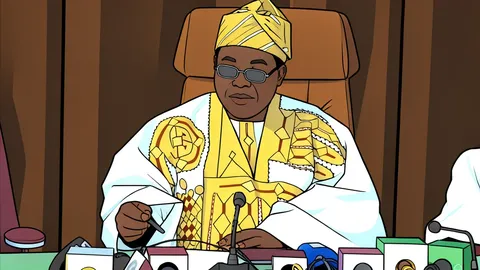
In a joint statement, the National Elections Commission urged all political actors to prioritize stability over confrontation. The commission’s chairperson, Gabriel Bol Deng Majok, appealed to leaders to channel their ambitions into the democratic process rather than violence, emphasizing that peace is a collective responsibility for every citizen and party involved in the upcoming vote.
Call for Political Restraint
According to reports from Africanews, the commission explicitly warned against the resurgence of armed conflict as a tool of political strategy. Majok described the electoral environment as a structured game with defined rules, stressing that the commission’s role is to ensure a level playing field. He urged politicians to convert their ideological differences into ballot paper rather than bullets, highlighting the need for discipline among those seeking power.
The statement came against a backdrop of significant tension, with the United Nations having previously warned about persistent corruption and violence risks ahead of the vote. By framing the election as a regulated process, the commission seeks to delegitimize extra-legal actions and reinforce the authority of the state institutions responsible for overseeing the transition from war to governance.
Logistical Preparations Underway
With less than three months remaining until voting day, the commission indicated that technical preparations are accelerating. Officials stated that they have approved the necessary forms and are assessing polling centers across the country to ensure they meet operational standards. The presentation of voting cards during the briefing suggests that voter identification processes are entering a practical phase.
Voter registration is set to begin shortly, a crucial step that will determine the final electoral roll. Given the country’s fragmented geography and history of displacement, the logistical challenge of registering citizens in remote areas remains substantial. The commission aims to ensure that these processes are transparent and inclusive to bolster public confidence in the integrity of the results.
Historical Context of Delays
The current electoral timeline is the culmination of years of stalled negotiations. The transitional government was established under a 2018 peace deal designed to end the civil war, but repeated delays to key benchmarks have pushed back the date of the election multiple times. These delays have eroded trust in the political process and created a climate of uncertainty among the population.
As the deadline approaches, the focus shifts to whether the dissolved transitional government will hand over power smoothly or if new disputes will arise. Observers will be watching closely for any signs of obstruction by political elites who may benefit from the status quo. The success of the December vote will likely hinge on the ability of institutions to enforce compliance and manage expectations in a fragile environment.