Berlin Left Party Vows to Expropriate 270,000 Apartments

Following its election victory, Berlin's Left Party promises to implement the 2021 referendum on taking over major real estate holdings for public use.
Key points
- The Left Party won the Berlin election on a platform to implement the 2021 referendum on expropriating large real estate companies.
- The plan targets approximately 270,000 apartments, aiming to increase public ownership of Berlin's rental market from 25 percent to over 30 percent.
- A 2023 expert commission confirmed the measure's constitutional validity, though federal opposition and compensation costs remain significant obstacles.
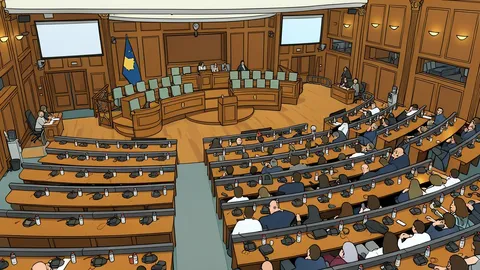
The Left Party has secured a victory in the recent Berlin municipal election, carrying with it a definitive mandate to execute a long-standing campaign to expropriate assets from large-scale real estate developers. According to Deutsche Welle, the party was the sole major political force on the ballot that explicitly committed to honoring the results of the 2021 citizen referendum, which saw a majority of voters support the socialization of apartments owned by companies holding more than 3,000 units.
The initiative, known as "Deutsche Wohnen & Co. enteignen," targets a handful of major property developers, most notably Deutsche Wohnen, which alone manages over 100,000 units in Berlin. Proponents argue that transferring approximately 270,000 apartments into public ownership would significantly increase the stock of affordable housing, raising the share of publicly managed rentals from the current 25 percent to over 30 percent, and thereby addressing the city's persistent rent crisis.
Legal foundations and expert review
The legal viability of such a measure has been scrutinized under Articles 14 and 15 of the German Basic Law, which permit expropriation for the public good and allow for the transfer of means of production to public ownership. In 2023, a 13-person expert commission appointed by the previous administration concluded that the expropriation plan was constitutionally sound, although specific questions regarding the budget and compensation mechanisms remained to be clarified.
Political resistance and alternative proposals
The path to implementation has been obstructed by federal authorities, who have indicated they will not permit the takeover, and by previous local administrations. The conservative-led government under Kai Wegner, which held office until the recent election, explicitly rejected the expropriation mandate. Instead, it sought to introduce a socialization law that would define conditions for property transfer while ruling out direct expropriation, a move criticized by the grassroots campaign as insufficient.
Future legislative challenges ahead
With the Left Party now positioned to lead the city government, the focus shifts to the practical execution of the 2021 referendum's five-point plan. This includes the establishment of a public-law entity to administer the properties and the determination of compensation levels, which the original campaign argued should be significantly below market value. The coming months will determine whether the new administration can navigate the complex legal and financial hurdles to convert political promises into concrete public housing policy.