Teodoro's Seoul Moment Ignites Philippine Election Speculation
A diplomatic gaffe at the Seoul Defence Dialogue has propelled Philippine Defence Secretary Gilberto Teodoro into the center of political discourse, raising questions about his potential candidacy in 2028.
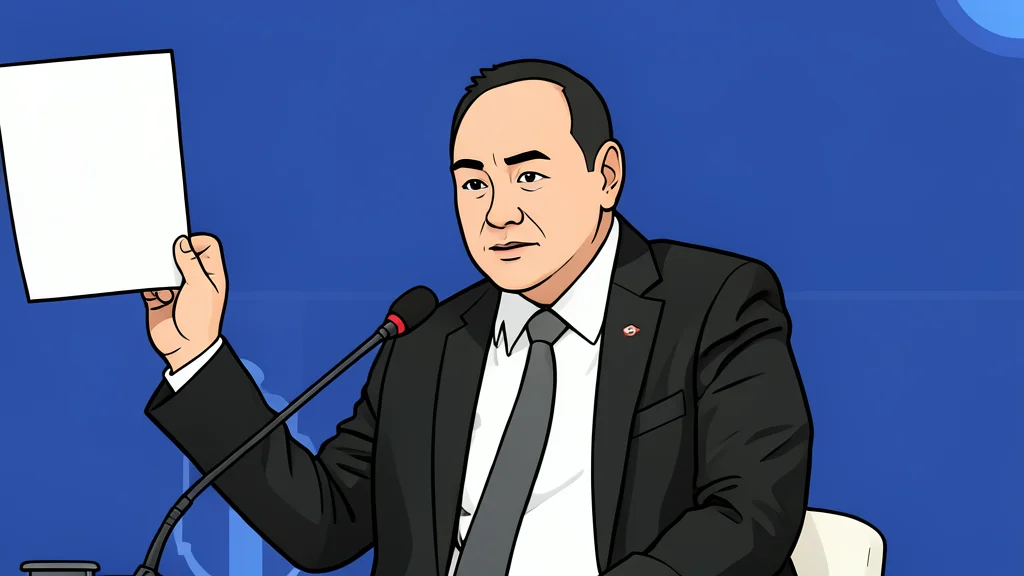
Gilberto Teodoro Jr., the Philippines’ defence secretary, has experienced a sudden surge in public visibility following an incident at the Seoul Defence Dialogue on September 8. The event, which was intended to foster regional security cooperation, became a focal point for domestic political debate after Teodoro read aloud a handwritten note provided by a Chinese military attaché. According to South Korean news agency Yonhap, the note was passed to a staff member with the explicit instruction that it be handed to Teodoro. The gesture, described by forum organizers as a direct communication from the Chinese embassy in Seoul, contained Beijing’s formal rejection of the 2016 South China Sea arbitration ruling.
Teodoro’s decision to read parts of the note publicly, including the description of the award as “illegal, null and void,” was framed by him as a rebuke to the host nation and a defense of international norms. While the immediate reaction was one of diplomatic friction, the episode has resonated deeply within Philippine political circles. Some observers suggest that the moment has crystallized Teodoro’s image as a defiant figure against Chinese pressure, potentially providing the political capital needed to consider a run for the presidency in 2028, a position he has not previously sought.
Diplomatic Friction in Seoul
The incident highlights the increasing complexity of Southeast Asian diplomatic engagements, where bilateral tensions often spill over into multilateral forums. According to reports from the GN auto geopolitics/asia-pacific: South China Sea desk, the act of reading the note was interpreted by Teodoro as disrespectful to the South Korean hosts. This interpretation underscores the delicate balance foreign ministers must maintain when addressing contentious territorial disputes in neutral settings. The presence of the Chinese embassy staff in the room, or their ability to influence the flow of documents, suggests a level of direct engagement that complicates the traditional protocols of such dialogues.
Analysts note that while the episode was dramatic, it reflects a broader pattern of high-stakes interactions in the region. The South China Sea remains a flashpoint where legal interpretations and military posturing intersect with domestic political narratives. For Manila, the incident serves as both a warning and an opportunity. It warns of the potential for miscalculation in high-profile meetings, but it also offers a narrative of standing firm against perceived overreach, a theme that resonates strongly with a significant portion of the electorate.
Political Capital and Polling
Despite the viral nature of the moment, political analysts remain cautious about the long-term implications for Teodoro’s career. Current polling data suggests that while his visibility has increased, his approval ratings have not yet reached the threshold necessary for a serious presidential campaign. Past electoral performance by the administration he serves under indicates significant hurdles in converting issue-based popularity into broad electoral support. The leap from defence secretary to potential presidential candidate is substantial, requiring not just name recognition but a robust political infrastructure and a clear policy platform that extends beyond foreign policy.
The 2028 election cycle is still several years away, and the political landscape in the Philippines is known for its volatility. Teodoro’s supporters argue that his outspokenness on national sovereignty has given him a unique brand that transcends traditional party lines. However, critics point out that domestic economic issues and governance challenges remain the primary concerns for most voters. The incident in Seoul, while significant, may be viewed by the general public as an isolated diplomatic event rather than a defining political statement, limiting its impact on the broader electoral calculus.
Forward Momentum and Risks
Looking ahead, the key question is whether Teodoro can sustain this momentum without incurring diplomatic costs that outweigh the domestic gains. The Philippine government will likely monitor the reaction from Beijing closely, as any escalation in rhetoric could impact trade relations and regional stability. For Teodoro, the challenge lies in translating a moment of high visibility into sustained political relevance. He must navigate the delicate line between being a strong advocate for national interests and a candidate who can govern effectively in a complex geopolitical environment.
As the 2028 elections approach, the Philippine political scene will continue to be shaped by the interplay of domestic politics and external pressures. The Seoul incident serves as a reminder that foreign policy decisions can have immediate and profound domestic consequences. Whether Teodoro chooses to enter the race or remains focused on his current role, his actions will be scrutinized for their potential to redefine the country’s stance in the South China Sea and its broader regional relationships. The coming months will reveal whether this viral moment was a fleeting spike in attention or the beginning of a significant political shift.