UN Council Split over Myanmar Accountability Measures
At the 63rd Human Rights Council, 14 nations pushed for justice while five defended the junta. Diplomats cite low political priority for action.
Key points
- 14 governments at the 63rd Human Rights Council explicitly called for accountability for Myanmar atrocities.
- Five nations, including China and Russia, defended the junta by citing sovereignty and non-interference.
- UN officials urge states to halt arms transfers and refer the situation to the International Criminal Court.
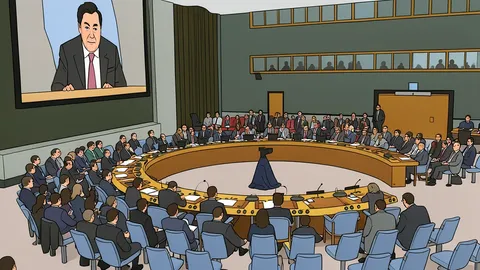
In Geneva, 14 governments urged stronger action on Myanmar during the 63rd Human Rights Council session. This occurred alongside five nations defending the military regime. The session highlighted a deep diplomatic divide over accountability.
UN High Commissioner Volker Türk described a deepening crisis in the country. He cited airstrikes, forced conscription, and sexual violence as key issues. He urged states to refer the situation to the International Criminal Court.
Diplomatic Positions Remain Fragmented
According to The Diplomat, fewer than half of the 39 speakers raised accountability. Nations like Indonesia and Malaysia favored regional dialogue. They preferred a Myanmar-led process over international pressure.
Five governments, including China and Russia, actively shielded the regime. They emphasized sovereignty and non-interference principles. These positions directly opposed calls for international scrutiny and legal action.
Evidence Collection Continues Amid Inaction
Nicholas Koumjian reported that serious international crimes are increasing in frequency. His team continues to preserve evidence for future legal proceedings. This work persists despite the lack of political momentum.
Diplomats noted that Myanmar is not a high political priority. This lack of urgency hampers sustained international action. The unresolved question of political representation adds further complexity to diplomatic efforts.
Watch for Future Security Council Moves
The next step involves potential referrals to the International Criminal Court. This would require action by the UN Security Council. Observers will watch if member states prioritize this legal pathway.
Human rights defenders continue documenting violations and engaging with UN bodies. Their work provides the factual basis for future accountability. The gap between evidence and action remains the central challenge.