India Defends Farmers' Seed Rights at UN Human Rights Council

India presented its agricultural framework to the UN, arguing that seed sovereignty is central to food security and biodiversity.
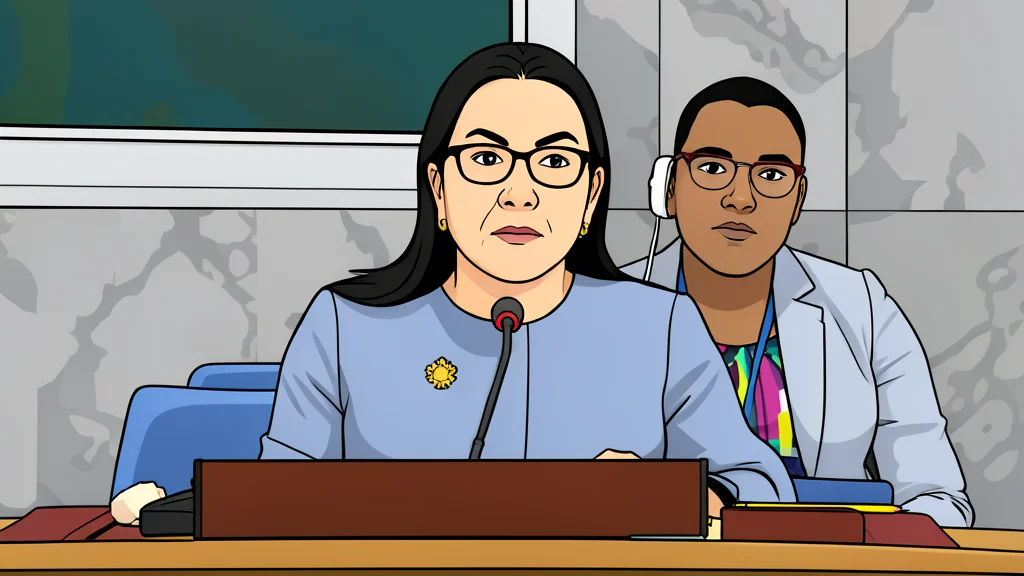
India’s approach to agricultural sovereignty and the protection of traditional farming knowledge was placed under the microscope at the United Nations Human Rights Council in Geneva. During its 63rd session, the country outlined its legal mechanisms for recognizing farmers as custodians of biodiversity rather than merely as producers. This diplomatic engagement underscores a growing global debate over how intellectual property laws intersect with rural livelihoods and food security.
The intervention, delivered by a representative of the RSKS India organization, emphasized the multifaceted role of smallholder farmers in preserving cultural and biological heritage. According to the account provided to the council, the nation’s framework is designed to balance modern agricultural development with the rights of rural communities to save and exchange seeds. This perspective positions farmers as active partners in global development strategies, particularly in the context of climate change and biodiversity loss.
Legal frameworks protect farmer variety
The discussion highlighted India’s Protection of Plant Varieties and Farmers’ Rights Act as a key instrument for safeguarding agricultural heritage. This legislation acknowledges the critical contribution of farmers to the conservation and improvement of plant varieties. As reported by GN geopolitics/rights, the framework has facilitated the registration of thousands of indigenous varieties, providing legal recognition to genetic resources that might otherwise remain undocumented.
By July 2026, the number of registered farmer varieties is projected to reach over five thousand, indicating a robust system for cataloging biodiversity. This legal structure serves not only to protect genetic diversity but also to ensure that farmers receive recognition for their role in agricultural innovation. The council session provided a platform to showcase how such national laws can serve as models for other nations seeking to harmonize trade obligations with human rights standards.
Rural networks drive collective enterprise
Beyond individual legal rights, the presentation emphasized the strength of collective rural organizations. India’s network of ten thousand Farmer Producer Organizations was cited as a successful example of strengthening market access and supporting livelihoods. These entities allow farmers to aggregate produce, negotiate better prices, and access resources that are typically unavailable to individual smallholders. This collective approach is viewed as a vital component of rural economic resilience.
The role of women in these agricultural networks was also brought to the fore. The intervention noted the increasing participation of women as decision-makers and entrepreneurs in the rural economy. Specific initiatives in Rajasthan focus on sustainable agriculture and water conservation, demonstrating how local organizations can address both environmental and social challenges. This holistic view of rural development aligns with broader UN goals for inclusive growth and gender equality.
Call for global seed rights tracker
The representative proposed the creation of a Global Seed Rights Tracker to monitor how national frameworks protect farmers' abilities to conserve and improve seeds. This initiative aims to promote transparency and accountability in the management of agricultural biodiversity. By examining how different countries handle seed rights, the tracker would provide a comparative analysis of legal and practical measures adopted worldwide.
The proposal extends to encouraging states to establish community seed banks and funds led by women seed custodians. These practical measures are intended to safeguard traditional knowledge and ensure the continuity of local varieties. As pressure on global food systems intensifies, the emphasis on recognizing farmers as partners in development becomes increasingly critical. The forward question remains how international bodies will respond to these calls for standardized protections and the long-term implications for global food security.