US and Australian Navies Conduct Routine Replenishment Exercise
A joint operational drill in the South China Sea highlights continued interoperability between Washington and Canberra, framed by both capitals as standard routine activity.
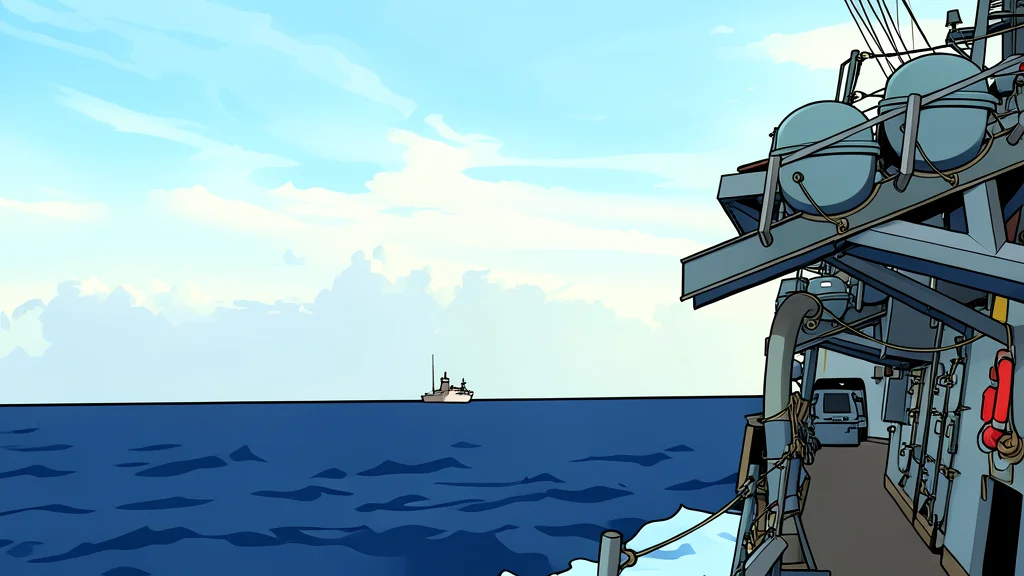
The United States Navy and the Royal Australian Navy recently completed a replenishment-at-sea exercise in the South China Sea. The operation involved the Arleigh Burke-class destroyer USS Benfold and the Supply-class oiler HMAS Supply working in close formation. According to official Navy communications, the vessels were engaged in routine operations to maintain operational readiness.
This maneuver took place on August 27, 2026, involving the transfer of fuel and supplies between the two ships while at sea. The USS Benfold is assigned to Destroyer Squadron 15, which serves as the primary surface combatant force for the U.S. 7th Fleet. The exercise underscores the logistical capabilities required for sustained naval presence in the region.
Sustaining Forward Deployed Capabilities
The 7th Fleet is described by the U.S. Department of Defense as the largest forward-deployed numbered fleet. Its mission includes preserving a free and open Indo-Pacific by interacting with allies and partners. The participation of Australian assets in such drills demonstrates a deepening of bilateral naval cooperation. Analysts note that these logistical exercises are critical for ensuring that combatants can remain on station for extended periods without returning to port.
HMAS Supply is part of a class of replenishment oilers designed to support allied fleets. The coordination between U.S. and Australian crews during the transfer process reflects standardized procedures developed through years of joint training. This level of interoperability is considered a key component of deterrence strategies in the region, allowing for seamless integration of resources during peacetime operations and potential crises.
Context of Regional Naval Activity
The South China Sea remains a focal point for naval operations due to its strategic importance for global trade routes. While the U.S. Navy characterizes these activities as routine, they occur within a broader context of heightened maritime activity. The GN auto geopolitics/asia-pacific desk notes that such exercises are frequently cited by regional observers as indicators of sustained engagement by major powers in the area.
Both Washington and Canberra have consistently stated that their operations are in accordance with international law and are intended to ensure stability. The presence of advanced guided-missile destroyers alongside support vessels signals a multi-faceted approach to maritime security. This approach combines kinetic capability with the logistical endurance needed for long-duration deployments.
Observing Future Operational Trends
Looking ahead, attention will likely remain on the frequency and scope of joint exercises between these two navies. The ability to conduct complex logistical operations at sea is a marker of mature alliance partnerships. Future developments may include expanded participation from other regional partners, further testing the interoperability frameworks established during drills like this one.
Observers should watch for any announcements regarding future deployments of the USS Benfold or similar assets. The continued emphasis on forward deployment suggests a long-term commitment to maintaining a visible naval presence. This strategy aims to reassure allies and manage potential tensions through demonstrated readiness and cooperative action.