US Defense Strategy Keeps Taiwan Central Despite Diplomatic Shifts
Washington maintains military support for Taiwan. New data shows continued investment in deterrence capabilities.
Key points
- The 2026 U.S. National Defense Strategy prioritizes defense along the First Island Chain.
- A major arms package for Taiwan remains approved but is currently delayed.
- U.S. security cooperation with Japan and the Philippines has intensified recently.
The United States continues to support Taiwan militarily despite diplomatic uncertainty. Recent statements have raised questions about American commitment. However, defense planning remains focused on the region.
Critics argue that current U.S. signals suggest a move toward nonintervention. They point to recent remarks by senior officials. These comments have fueled debate over the future of the policy.
Shifting Rhetoric Creates Doubt
President Trump has expressed skepticism about Taiwan's strategic value. He has called the island indefensible due to its distance. Such views have influenced public perception in Taipei.
According to The Diplomat, polls show declining confidence in U.S. aid. This shift follows repeated claims that Taiwan free-rides on American defense. Critics view these statements as damaging to deterrence.
Defense Secretary Pete Hegseth omitted Taiwan from a major speech. This marked a change from previous years. The 2026 National Defense Strategy also lacks direct references.
Military Capabilities Remain Prioritized
Despite rhetorical shifts, the Pentagon plans to strengthen defenses. The strategy emphasizes a strong presence along the First Island Chain. This area includes Taiwan and nearby waters.
A large arms sale to Taiwan remains approved but delayed. It includes HIMARS rockets and anti-tank missiles. These weapons are designed for specific defensive scenarios.
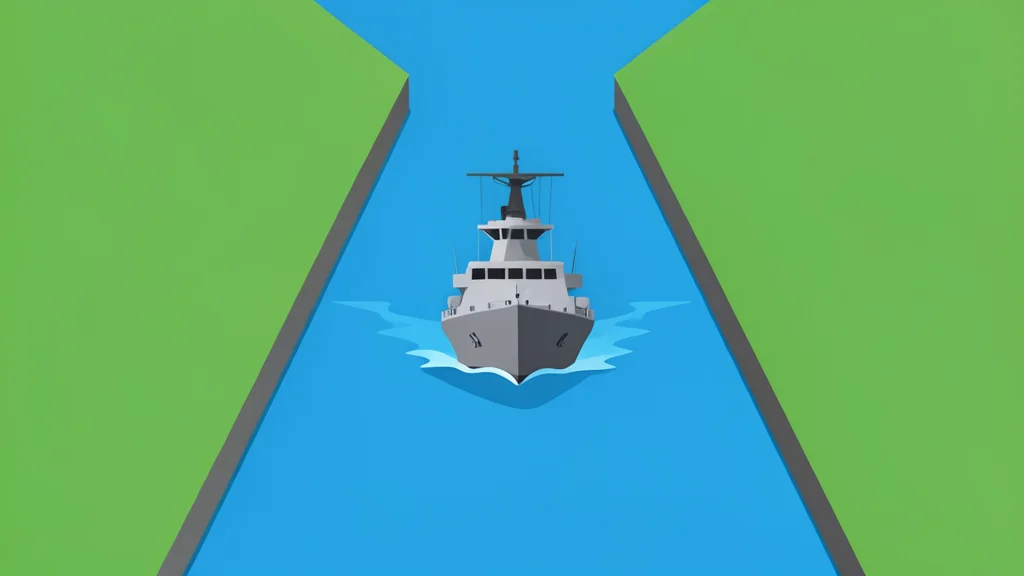
U.S. naval transits through the Taiwan Strait continue at a reduced rate. Security cooperation with Japan and the Philippines has deepened. New infrastructure projects are planned in the northern Philippines.
Forward Focus on Strategic Balance
Observers will watch upcoming diplomatic engagements closely. Any change in arms sales timing is significant. Regional partners are monitoring U.S. commitment levels.