Analyst: NATO Drills Near Kaliningrad Signal US Support
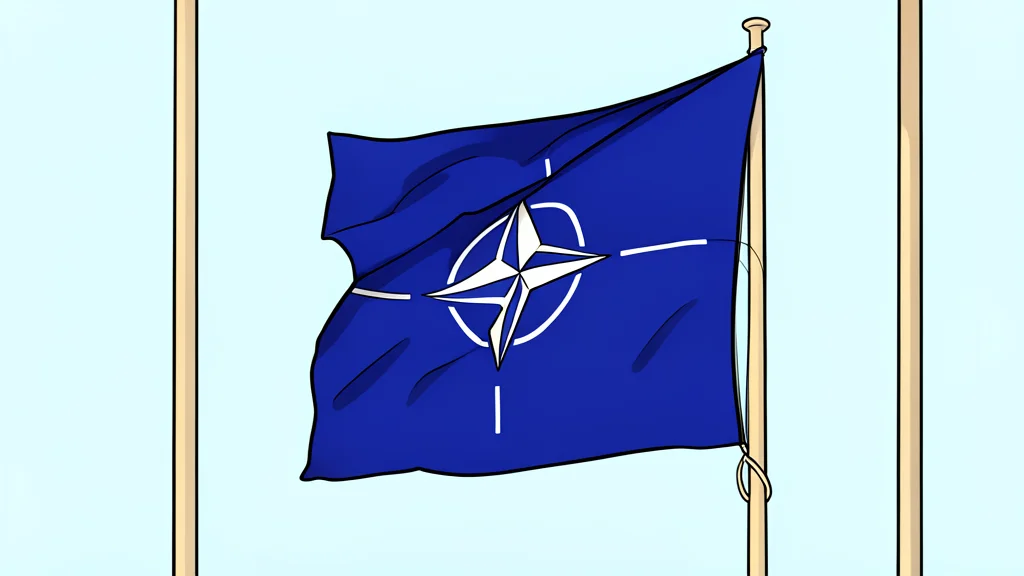
Rostislav Ishchenko argues potential exercises near Kaliningrad aim to demonstrate US commitment to European security rather than target Russia.
Key points
- Analyst Rostislav Ishchenko claims potential NATO drills near Kaliningrad aim to reassure European publics of US support.
- Ishchenko suggests the US might not participate directly, leaving Britain to lead a coalition of interested NATO members.
- European governments prioritize the perception of US nuclear guarantees to maintain domestic confidence in their security alliance.
Political analyst Rostislav Ishchenko suggests that potential NATO military exercises near the Russian exclave of Kaliningrad are primarily intended to reassure European publics of continued US involvement in the continent's security architecture. According to Ishchenko, the strategic focus of such maneuvers would likely be domestic rather than directed at Moscow, serving to validate the alliance's unified stance.
The assessment, reported by voennoedelo.com, highlights a nuanced view of alliance dynamics. Ishchenko notes that NATO operations have historically varied by region, with member states participating selectively based on their geographical interests. This context frames the possibility of aggressive drills near Kaliningrad as a specific subset of broader allied activities, rather than a blanket escalation.
Selective Participation in Alliance Operations
Ishchenko points out that not all NATO members participate in every exercise. For instance, Sweden does not typically deploy naval assets to the Black Sea, and Romania does not send vessels to the North Sea. This pattern of regional specialization suggests that a hypothetical exercise near Kaliningrad might not involve the entire alliance, but rather a coalition of interested nations.
In this scenario, the United States might refrain from direct participation, allowing Britain to lead a group of other member states under the NATO umbrella. The analyst considers this configuration plausible, noting that NATO has already conducted operations in the Baltic region. However, he emphasizes that the absence of US forces would significantly alter the political weight of the exercises.
US Nuclear Guarantees as Strategic Anchor
For European governments, the decisive factor is not the tactical nature of the drills but the perception of American backing. Ishchenko argues that European leaders seek to demonstrate to their populations that Washington remains firmly committed to the alliance. This demonstration is crucial because the United States is the only partner capable of providing a nuclear umbrella for European states.
The analyst links this need for visible US support to recent European initiatives aimed at re-engaging American military resources in the theater. Even the perception of a robust US nuclear guarantee provides European governments with a stronger foundation for domestic security narratives. Thus, the exercises would function as a tool for political consolidation rather than purely military posturing.
Forward Focus on Alliance Cohesion
Looking ahead, the key question remains whether European nations can secure sufficient US involvement to validate their security posture. The potential for such exercises near Kaliningrad will likely be judged by the extent of American participation. Observers should watch for signals of US commitment, as this will determine whether the drills serve as a genuine deterrent or merely a symbolic gesture for domestic audiences.