US Strikes 68 Vessels, Killing 223 in Anti-Drug Campaign
The International Drug Policy Consortium reports that US military actions against alleged drug traffickers violate international human rights law.
Key points
- US military strikes on 68 vessels since September 2025 have killed at least 223 people.
- IDPC states these actions violate the right to life and lack legal justification under international law.
- The report links these maritime tactics to a wider trend of militarizing anti-drug efforts in the Americas.
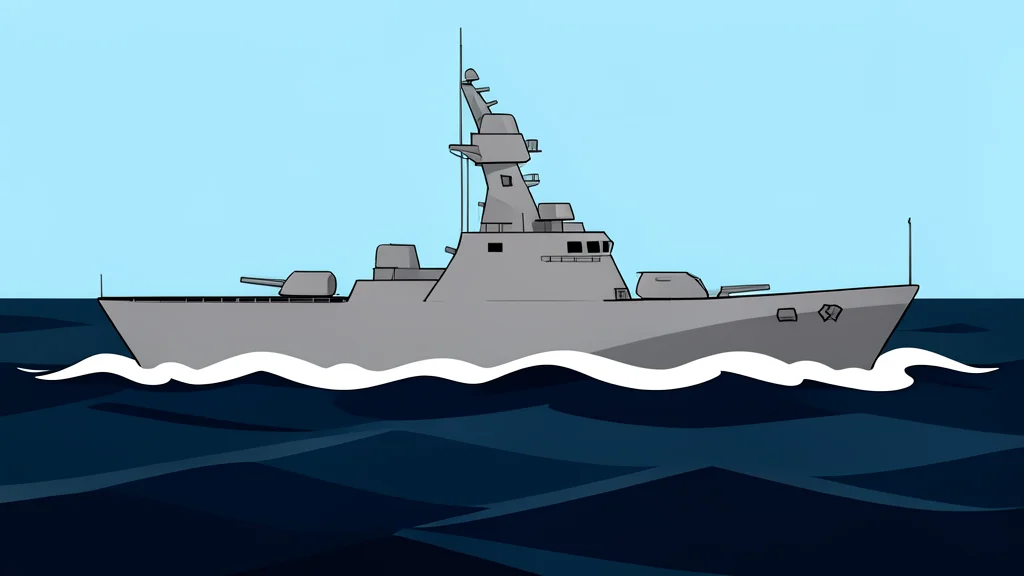
Since September 2025, the United States military has reportedly launched attacks on 68 vessels operating beyond territorial waters, resulting in at least 223 deaths. These operations target groups designated as terrorists under national law for drug trafficking activities.
Official justifications cite national self-defense and international humanitarian law. However, a new briefing note argues that these tactics represent a significant departure from standard maritime law enforcement and warrant rigorous legal scrutiny.
Legal Assessment of Maritime Operations
According to the International Drug Policy Consortium, such attacks constitute serial extrajudicial killings in violation of the right to life. The analysis finds that these actions are not justified under self-defense, humanitarian law, or international counter-terrorism frameworks.
The report notes that targeting individuals at sea for criminal conduct differs fundamentally from armed conflict scenarios. It emphasizes that existing legal instruments do not permit lethal force against non-combatants in this context, regardless of their criminal designations.
Broader Regional Security Implications
Military cooperation against organized crime groups in the Americas has intensified, including under the Shield of the Americas initiative. This trend reflects a broader shift toward militarizing responses to drug trafficking and gang activity on both land and sea.
The briefing consolidates previous engagements by Special Procedures mandate holders, including reports to the General Assembly and the Human Rights Council. It highlights concerns about classifying organized crime as terrorism, a theme further explored in a 2026 report to the UN.
Monitoring Future Legal Developments
Observers will watch for further international legal challenges to these maritime operations. The precedent-setting nature of these strikes may influence future interpretations of the right to life in the context of transnational criminal groups.