Ceuta's Unaccompanied Minors Struggle for School Access
In Spain's enclave of Ceuta, hundreds of unregistered migrant children remain in limbo as local resources strain and the new school year begins without them.
As the academic year commenced across Spain, the Reina Sofia primary school in Ceuta prepared for a routine start, cleaning entrances and displaying staff photographs. Yet, the reality on the ground diverged sharply from this normalcy. Following a mass crossing of approximately 80,000 migrants from Morocco into the autonomous city in late July, the local infrastructure has been overwhelmed. While the majority of adult migrants have voluntarily returned to Morocco, a significant number of unaccompanied minors remain stranded, with hundreds sleeping on the soccer field adjacent to the school, according to local residents and aid workers.
The situation has created a administrative and humanitarian vacuum. Spanish authorities have registered roughly 1,500 unaccompanied children, but aid organizations report that registration processes are stalled due to a lack of available beds in temporary housing. Consequently, many minors are effectively invisible to the state system, missing the first weeks of their education and facing an uncertain future. Ismael, a 13-year-old who swam across the border from Tangier, expressed a clear desire to stay in Spain and attend school, stating he would not return to Morocco. However, without official registration, his access to education and protection remains precarious.
Community Volunteers Fill Institutional Gaps
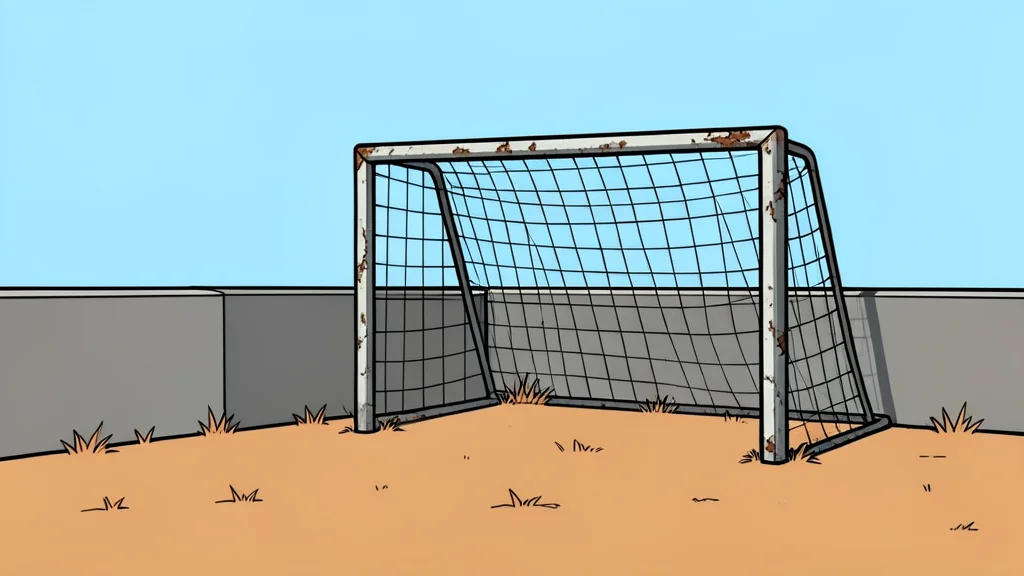
In the absence of a robust state response, local communities in the El Príncipe neighborhood have stepped in to provide immediate relief. Ahmed Efen-Dal, president of the residents association, described the influx as an avalanche that doubled the city's population within 24 hours. Volunteers, including Efen-Dal and local resident Rahma Enfedal, organized efforts to locate families of unaccompanied girls and established a makeshift camp on the dusty soccer field next to the school. This camp provided shelter, food, and clothing for approximately 300 women and girls, along with a small number of boys, creating a fragile safety net in the chaotic environment.
Despite the compassion driving these efforts, patience among residents is beginning to erode. After more than 45 days of managing the crisis with limited resources, locals feel abandoned by the central government. Abdel Malik Abdesalam, a local resident, stated that the community has reached its limits and emphasized that a 13-year-old cannot sustainably live on the street. The volunteerism, while critical, is viewed by the community as a temporary stopgap measure rather than a long-term solution, highlighting the strain on social cohesion in the border town.
Administrative Obstacles Delay Protection
The core issue lies in the bureaucratic bottleneck preventing minors from accessing legal protections. Spanish law requires police to register unaccompanied minors to initiate processes for either temporary residence or return. However, migration specialists like Jennifer Zuppiroli from Save the Children note that the system is completely overwhelmed. The lack of physical space for registration and housing means that many children are told to return another day, effectively suspending their legal status. This delay leaves them in a state of limbo, unable to attend school or access healthcare, while domestic and European political debates continue over the rights and obligations owed to these children.
The crisis in Ceuta has divided the Spanish government and the broader public, raising fundamental questions about the responsibilities of the state toward unaccompanied migrants. As the second month of the crisis unfolds, the urgency felt by residents is palpable. The ability of these children to remain in Spain and integrate into the education system depends on resolving the current administrative gridlock. Until then, the contrast between the prepared classrooms of Reina Sofia and the empty, dusty field where children sleep serves as a stark symbol of the gap between policy and reality.