Czechia Becomes First NATO State to Field SPYDER Air Defense
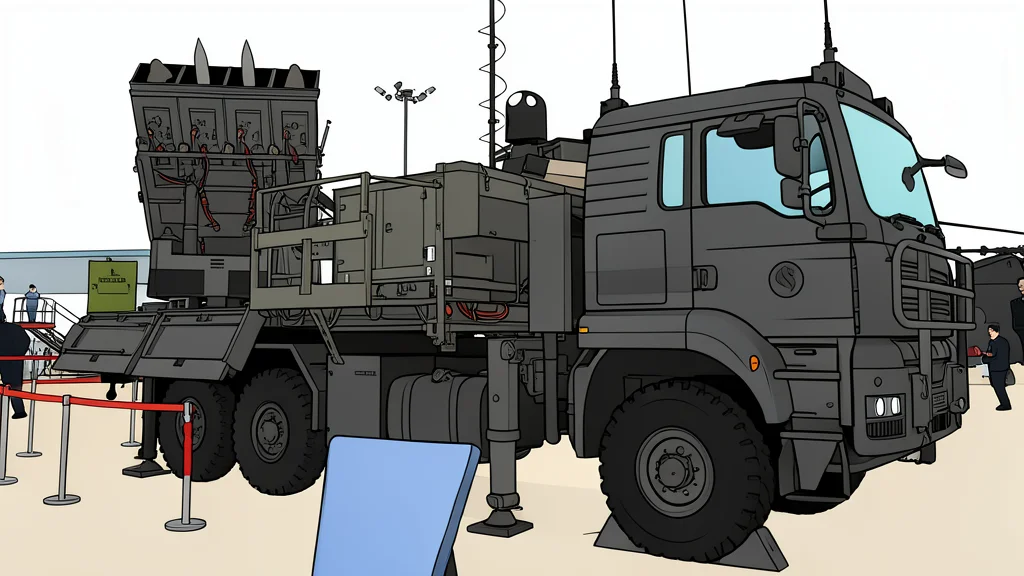
The Czech Republic has entered its first Israeli SPYDER batteries into service, marking a new stage in its layered air defense modernization.
Key points
- Czechia is the first NATO member to enter Israeli SPYDER air defense systems into active service.
- Prague ordered four batteries in 2021, with the first two now delivered and integrated into the national defense network.
- The system uses PYTHON and DERBY missiles with interception ranges extending up to 160 kilometers.
The Czech Republic has officially entered its first Israeli SPYDER short-to-medium range air defense batteries into active service. According to news.az, this development marks the country as the first member of the North Atlantic Treaty Organization to adopt the system, a milestone highlighted by industry leaders as a significant step in regional defense integration.
The delivery concludes a manufacturing process that began after Prague ordered four batteries from Rafael Advanced Defense Systems in 2021. While all four units have been completed, the first two have been handed over to the Czech military. The integration of these systems is part of a broader strategy to create a comprehensive, layered air defense network that includes missile defense, drone interceptors, and advanced command-and-control infrastructure.
Strategic significance of the deployment
Czech Defense Minister Jaromír Zuna described the introduction of the SPYDER as a qualitative leap in the nation's air defense capabilities. He noted that the system represents an important step toward building a modern, layered defense architecture. This approach aims to protect both static assets and maneuvering ground forces against a wide spectrum of aerial threats, including fixed-wing aircraft, unmanned aerial vehicles, and precision-guided munitions.
Yoav Turgeman, CEO of Rafael Advanced Defense Systems, expressed pride in the milestone, citing the successful delivery as a key moment in the company's cooperation with Prague. The system’s mobile nature allows it to provide cover for moving troops, while its fixed deployment capabilities offer persistent protection for critical infrastructure. This flexibility ensures that the Czech air defense network can adapt to varying threat profiles across different operational environments.
Technical specifications and capabilities
The SPYDER system is a modular platform designed to intercept short- and medium-range threats using a combination of PYTHON anti-aircraft missiles and DERBY air-to-air missiles. The interception range varies significantly depending on the specific missile variant employed. The PYTHON-5, equipped with a dual-band infrared seeker, covers ranges up to 15 kilometers, while the I-DERBY ER with an active radar seeker extends coverage to 40 kilometers.
For longer-range engagements, the system utilizes the I-DERBY LR missile, which reaches targets up to 80 kilometers away. The most extended variant, the SPYDER MR/LR, offers a maximum interception range of 160 kilometers. The warhead weights for these missiles are 11 kilograms and 23 kilograms, respectively, providing sufficient kinetic energy to neutralize a variety of aerial targets. This multi-layered approach allows operators to select the appropriate interceptor based on the specific threat profile and engagement distance.
Regional procurement trends in Europe
Czechia is not the only European nation pursuing this technology. Romania has also signed a contract to acquire the SPYDER system, with a deal valued at over 2 billion euros. This agreement includes the supply of launchers, interceptors, radar stations, training equipment, and logistical support. The widespread interest in the platform suggests a growing recognition among European defense planners of the need for robust, short-to-medium range air defense capabilities to counter modern aerial threats.
As the Czech Republic integrates its first two batteries, attention will turn to the operational readiness of the remaining units. Analysts will likely monitor how the system performs in joint exercises with other NATO partners and how it interfaces with existing air defense networks. The successful deployment of the SPYDER sets a precedent for other NATO members considering similar acquisitions, potentially influencing future procurement decisions across the alliance.