Poland Warns Russia of Offensive Response to Potential Attacks
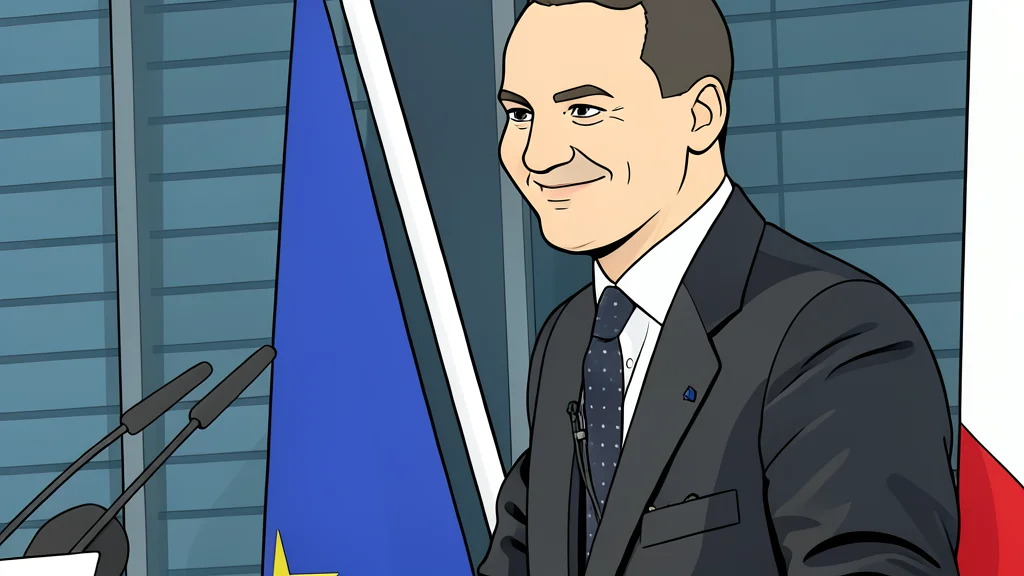
Warsaw claims it has directly warned Moscow that any aggression would trigger both defensive and offensive military reactions.
Key points
- Polish Foreign Minister Sikorski says he warned Russian officials that an attack would trigger both defensive and offensive responses.
- European leaders, including those in Poland, Lithuania, and France, are preparing for potential Russian drone and cyberattacks.
- Sikorski cited Ukrainian strikes on Russian oil infrastructure as evidence of the effectiveness of air power in deterrence.
Polish Foreign Minister Radoslaw Sikorski has stated that he personally conveyed a warning to Russian officials regarding the consequences of any potential aggression against Poland. According to remarks made during the program Front Sikorskiego, Sikorski indicated that Warsaw’s response to an attack would not be limited to defensive measures but would also include offensive actions.
The disclosure arrives at a time of heightened tension across Europe, where several governments are intensifying preparations for possible Russian provocations. This development follows intelligence assessments suggesting that Moscow might attempt drone or missile strikes against nations supporting Ukraine in the coming months, a threat corroborated by Lithuanian officials.
Warsaw emphasizes air superiority in deterrence strategy
Sikorski reportedly told Russian counterparts to exercise caution, citing Poland’s superior number of combat aircraft compared to Moscow’s. He stressed that if Russia engages in actions that are unwanted by the international community, Poland will not remain passive. Instead, the minister argued, the response will be comprehensive, combining both defensive and offensive capabilities to ensure deterrence.
To illustrate the potential impact of such a response, Sikorski pointed to recent Ukrainian strikes on Russian oil refining infrastructure. He noted that Ukraine has damaged a significant portion of Russia’s refining capacity and suggested that European air forces possess the capability to achieve even more substantial results if necessary.
European capitals brace for hybrid threats
The Polish warning aligns with broader concerns in the region about Russian hybrid tactics. Prime Minister Donald Tusk stated on September 17 that intelligence indicated Russia could stage attacks and present them as accidents to undermine NATO’s willingness to respond. Lithuania’s Foreign Minister Kestutis Budrys confirmed access to similar intelligence and discussed the possibility of false-flag operations with colleagues.
France has also taken steps to mitigate these risks, with President Emmanuel Macron ordering a plan to protect critical infrastructure and defense industry sites from drone and cyberattacks. According to reports from Euromaidan Press and other outlets, Macron emphasized that the hybrid threat has intensified and that physical attacks would likely occur without prior warning.
Uncertainty remains over timing and specific recipients
Despite the gravity of the statements, details regarding the specific timing of the warning and the exact Russian officials who received it have not been disclosed. Sikorski did not provide a timeline for these interactions, leaving observers to weigh the diplomatic signals against the backdrop of ongoing geopolitical maneuvers.
The situation now hinges on how Moscow interprets these direct warnings and whether European nations continue to coordinate their defensive and offensive postures. Analysts will likely watch for any further diplomatic exchanges or military deployments in the region as the threat of provocation persists.