Drone Strike Near Polish Border Complicates NATO Support
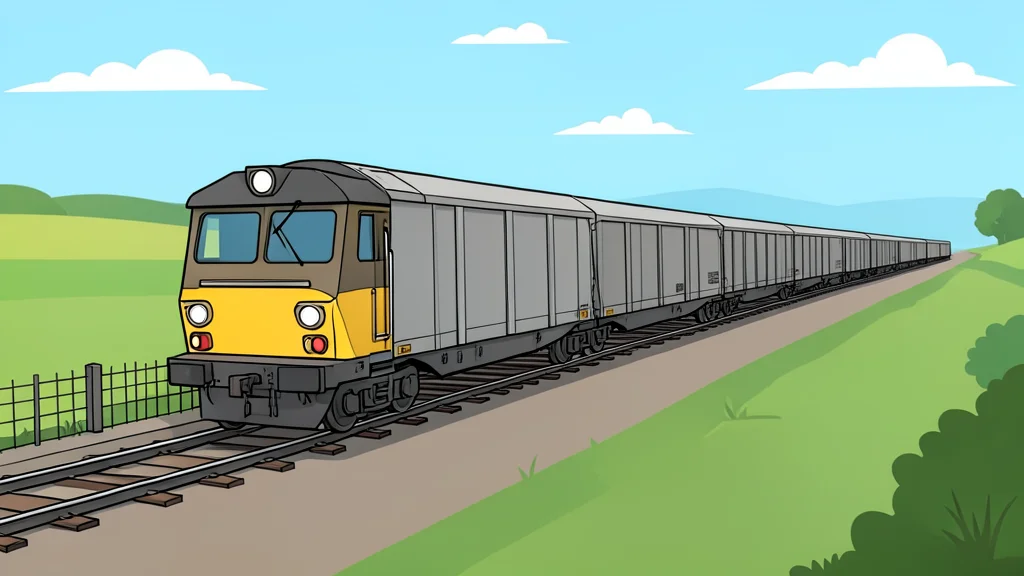
A recent Russian drone attack on a train near the Ukraine-Poland border has raised alarms among Western allies, signaling a shift in Moscow’s hybrid warfare tactics that threatens the safety of diplomatic routes and complicates NATO’s strategic response.
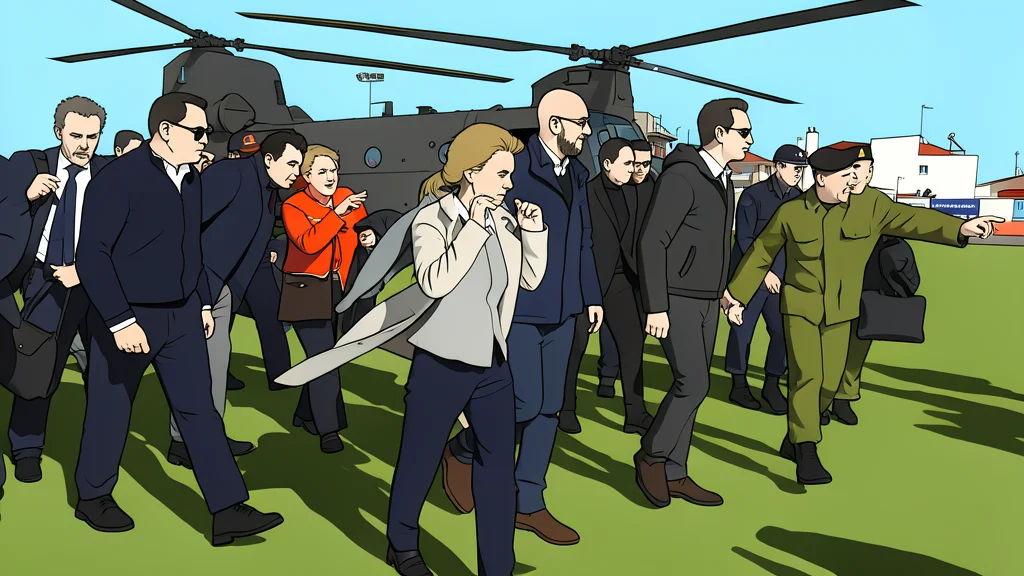
A Russian drone strike that hit a train near the border between Ukraine and Poland has heightened tensions among NATO members, according to reports from GN geopolitics/nato. The incident occurred while a group of former Western officials, including David Petraeus and Boris Johnson, were traveling out of the country. While intent is difficult to prove in the fog of war, the proximity of the strike to a NATO border and the presence of high-profile figures suggest a deliberate escalation designed to test Western resolve.
The attack undermines the railway system, which has served as a critical lifeline for diplomatic traffic and aid. With air travel too dangerous and roads congested, trains were the preferred method for senior officials to visit Kyiv. By targeting this infrastructure, Moscow appears to be seeking to disrupt the flow of support and create a persistent sense of insecurity among Ukraine’s allies, effectively raising the cost of maintaining diplomatic engagement.
Hybrid Tactics Test Alliance Boundaries
Analysts describe this move as part of a broader grey-zone strategy, where Russia employs incremental, deniable actions to probe NATO’s defensive limits without triggering a full-scale war. Recent advancements in drone technology, including mesh networks that extend range and resist electronic warfare, have allowed Moscow to strike targets with greater precision and from farther away. This technological shift has made it harder for defenders to intercept threats, particularly those approaching from outside traditional radar ranges.
The incident fits a pattern of sustained pressure that includes sabotage and stray missiles crossing into NATO airspace. According to the source, this method of drip-drip escalation is calculated to keep the alliance on edge while avoiding a direct military confrontation. It forces NATO to constantly adjust its risk calculations, diverting resources to border security and diplomatic protection rather than focusing solely on the battlefield in eastern Ukraine.
Diplomatic Routes Face New Risks
The practical implications for Western diplomacy are significant. Security officials must now weigh the risks of travel against the necessity of in-person meetings. If the railway remains unsafe, the remaining options are limited to long, hazardous road journeys or remote communications, which may lack the intimacy required for sensitive negotiations. This could lead to a reduction in high-level visits, weakening the visible support that Ukraine relies on to sustain its morale and international standing.
Alliance Fractures Complicate Response
Moscow likely calculates that internal divisions within NATO will limit the scale of any potential retaliation. Current disagreements between the United States and European partners, along with other global distractions, create openings for Russia to act with greater impunity. The Kremlin appears to be betting that the alliance lacks the unified bandwidth or political will to respond proportionately to hybrid provocations, thereby allowing it to continue chipping away at Ukraine’s logistical and diplomatic advantages.
Looking ahead, the focus will be on how NATO member states adjust their travel protocols and defensive postures. The coming weeks will reveal whether this incident leads to a coordinated increase in border security or remains an isolated event. The resilience of the diplomatic channel is now a key indicator of the broader stability of the alliance’s support for Ukraine.