Dutch Rail Disruption Amidst Farmland Protests
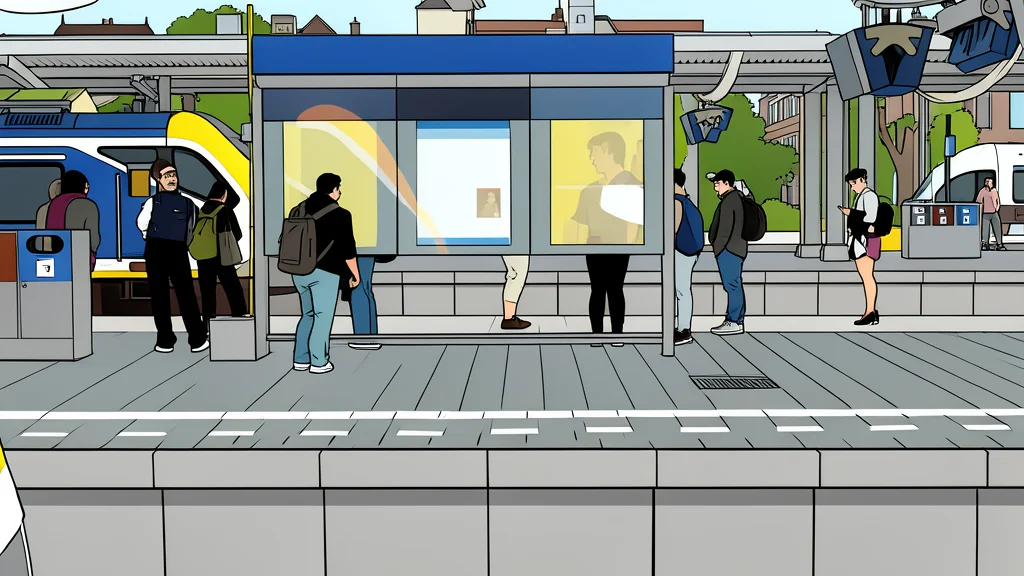
Massive railway disruptions in the Netherlands have coincided with ongoing agricultural protests, prompting police to investigate potential sabotage while officials stress the lack of confirmed arrests.
The Dutch rail network experienced severe operational failures on Tuesday when foreign objects were discovered on multiple tracks, forcing a halt to services across central and northern regions. While no individuals have been formally charged, the timing of the incident aligns with widespread unrest among farmers protesting government environmental regulations. Local media outlets have reported discussions within activist groups regarding direct actions against infrastructure, creating a tense backdrop for the ongoing police investigation.
According to ProRail, the national rail infrastructure operator, the disruptions were caused by pipes and cables deliberately placed on the rails, which triggered automatic safety systems to lock down sections of the network. The operator emphasized that the primary concern was passenger safety, noting that no injuries were reported despite the significant impact on commuter travel. Interim CEO Mirjam van Velthuizen highlighted the vulnerability of the country’s dependence on rail transport, calling for improved contingency planning to better manage such unprecedented disruptions in the future.
Technical Failures Triggered by Track Obstructions
The mechanism of the disruption involved the placement of metal materials that interfered with the railway's signaling systems. ProRail stated that these objects caused the automated network to incorrectly register the presence of trains on the tracks, resulting in at least 35 signal failures. This technical fault forced stations to close and trains to be cancelled, effectively paralyzing a significant portion of the national transit grid. Reports indicated that the interference may have begun as early as Monday, with one incident near Steenwijk causing a train to strike metal, though no structural damage was recorded.
Farmer Unrest and Environmental Policy Tensions
The speculation linking the sabotage to agricultural protests stems from the broader conflict over nitrogen emission reduction targets. The Farmers Defence Force, a prominent advocacy group, has denied collective responsibility for the rail incident but acknowledged that individual members may have acted independently. In a separate display of protest on Tuesday afternoon, which coincided with the government’s budget day, activists reportedly set hay bales and tires alight along various roads. This escalation underscores the deepening divide between the farming community and state authorities over environmental mandates.
Investigation Focuses on Security and Resilience
Police have launched a formal investigation into the suspected sabotage, treating the placement of dangerous materials on active tracks as a serious criminal act. While authorities have not released specific suspects, the focus remains on identifying those who planned and executed the obstruction. Meanwhile, rail officials are working to restore full service and assess the long-term implications for network security. The incident serves as a stark reminder of the fragility of critical infrastructure when faced with coordinated or spontaneous acts of civil disobedience, raising questions about how the Netherlands will balance public safety with the rights of protest.