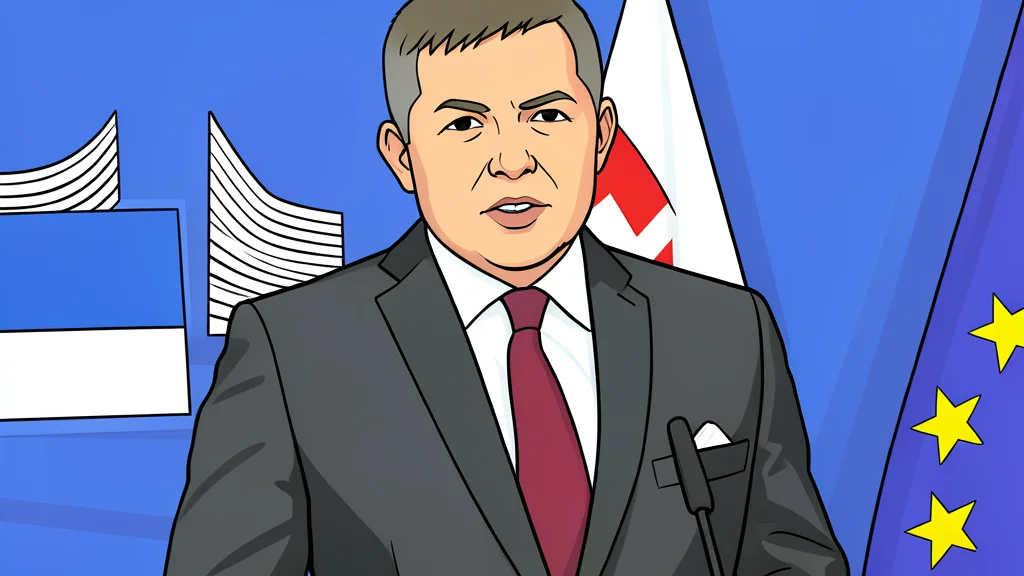
EU Parliament Calls for Sanctions over Hong Kong Activist Sentences
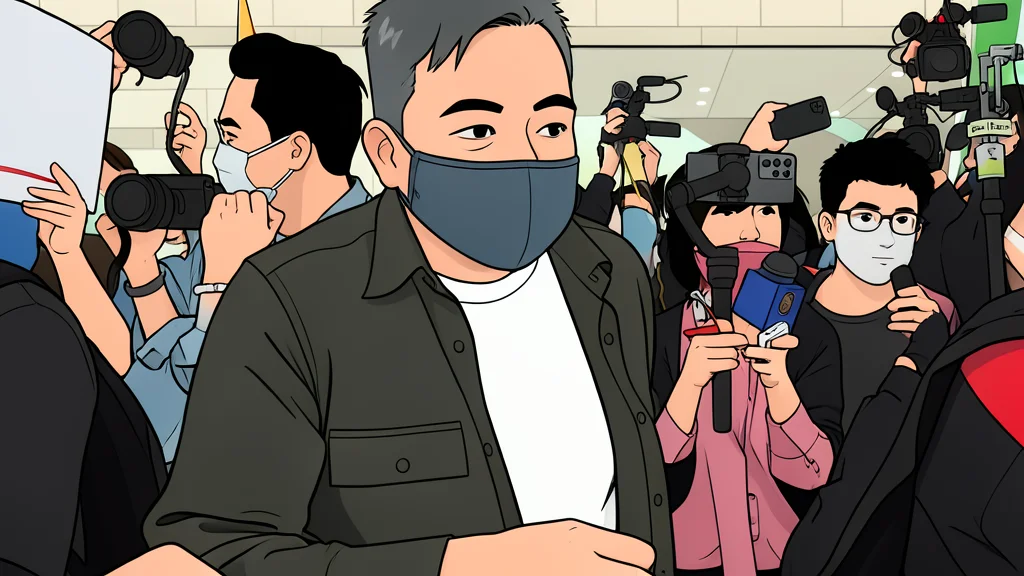
European lawmakers have intensified their push to sever economic and diplomatic ties with Hong Kong authorities, citing the recent imprisonment of activists for organizing historical remembrance events.
The European Parliament has formally urged the European Commission to impose targeted sanctions against Chinese and Hong Kong officials. This diplomatic pressure follows the recent imprisonment of three long-standing activists who were sentenced for organizing public vigils in memory of the 1989 Tiananmen Square crackdown.
According to reporting from GN geopolitics/rights (en-US), the resolution passed by a significant majority reflects a hardened stance among EU legislators. They view the sentences as a further erosion of the rights and freedoms previously enjoyed in the Special Administrative Region.
Legal Context of Recent Convictions
The individuals involved, including Lee Cheuk-yan, Chow Hang-tung, and Albert Ho, received prison terms of up to seven years. These penalties were issued under the national security law implemented by Beijing in 2020, a legislation that has significantly restricted public expression and assembly in Hong Kong since its introduction.
For decades, Hong Kong and Macau were the only regions within Chinese territory where public mourning for the events of June 4, 1989, was permitted. However, in recent years, authorities have effectively banned such commemorations, leading to a sharp decline in visible public dissent and civic engagement.
Proposed Measures for Trade Status
Beyond individual penalties, the resolution calls for a structural review of Hong Kong’s economic standing. Lawmakers have suggested that the Commission should begin preparations to suspend the region's separate membership status in the World Trade Organization, a move that would have profound implications for its global trade relationships.
Critics of the current situation argue that Hong Kong has increasingly become an instrument of Beijing’s foreign policy. Some members of the parliament have also highlighted concerns that the region is being used as a conduit to circumvent existing sanctions regimes, particularly those targeting Russia.
Implications for Diplomatic Relations
The push for sanctions signals a broader shift in how European institutions approach human rights issues in the Asia-Pacific region. By linking judicial outcomes to trade and diplomatic standing, the EU is attempting to leverage its economic weight to influence policy decisions in Beijing.
As tensions rise, observers are watching closely for the European Commission's next steps. The decision on whether to formalize the suspension of WTO status or activate the human rights sanctions regime will define the immediate trajectory of EU-China relations in the coming months.
Lawmakers push for broad isolation measures
The European Parliament has moved to expand its response to the recent convictions of three activists in Hong Kong, seeking to isolate local officials through both diplomatic and economic channels. The resolution targets the authorities for their role in sentencing individuals who organized memorials for the 1989 crackdown, a practice that has been effectively banned in the region in recent years.
In addition to calling for human rights sanctions against responsible officials, the lawmakers urged the European Commission to explore suspending Hong Kong’s separate membership status in the World Trade Organization. This approach aims to treat the territory’s economic and political standing as distinct from the rest of China, reflecting a shift toward broader punitive measures.