European Intel Warns of Imminent Russian Test of NATO Resolve
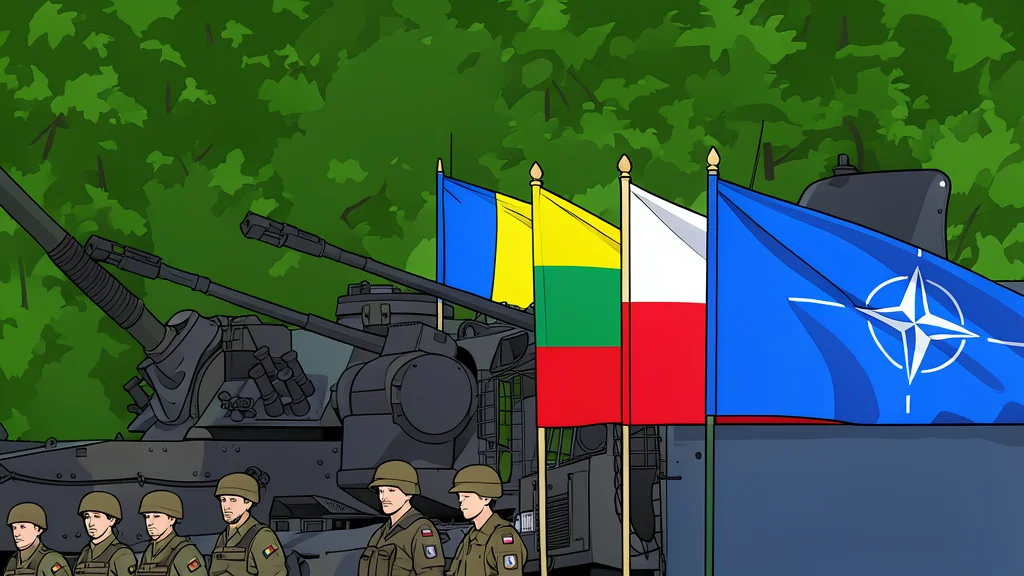
European intelligence chiefs warn Russia may attack NATO soil within months, signaling a shift from covert sabotage to direct confrontation.
Key points
- European intelligence officials from the Czech Republic, Latvia, and Sweden warn of a potential Russian attack on NATO soil within months.
- Polish Prime Minister Donald Tusk stated that intelligence suggests Russia may use drones or missiles to test NATO resolve in the coming period.
- French President Emmanuel Macron has summoned an emergency meeting of party leaders to discuss the escalating security threats.
European intelligence officials have issued their most explicit warnings yet regarding the potential for a direct Russian attack on NATO territory. Speaking to The Guardian, senior security figures from the Czech Republic, Latvia, and Sweden described a growing concern that Moscow is preparing to test the alliance's defensive limits. This assessment coincides with broader geopolitical tensions, including the ongoing UN General Assembly and continued conflict in Ukraine and the Gulf.
The warnings emerge as Vladimir Putin consolidates power through tightly controlled domestic elections and as political shifts in Germany favor parties critical of Western support for Ukraine. According to these sources, the threat is not merely theoretical speculation but a calculated strategy to disrupt European cohesion. The situation has prompted emergency consultations among European leaders, including French President Emmanuel Macron, who has summoned party leaders to discuss the escalating risk.
Intelligence chiefs frame the timeline
In interviews conducted in Prague and Riga, intelligence bosses indicated that a potential incident could occur within months rather than years. This timeline mirrors statements made by Polish Prime Minister Donald Tusk, who told parliament that intelligence assessments suggest Russia might launch a drone or missile attack on NATO soil in the coming period. The specificity of these warnings marks a departure from previous, more generalized concerns about hybrid warfare.
However, analysts caution that intelligence reporting often blurs the line between concrete intercepts and broader analytical chatter. Shaun Walker, The Guardian’s special correspondent, noted that without access to the underlying evidence, it is difficult to distinguish between a specific planned operation and a general posture of aggression. Despite this uncertainty, the willingness of these officials to speak on the record suggests a deliberate attempt to signal deterrence and unity among European allies.
Strategic context of hybrid threats
The current tension is viewed by European security experts as an intensification of a long-running shadow war. Russia has previously employed acts of sabotage that deliberately fall below the threshold for military response, aiming to erode public support for Ukraine without triggering Article 5. The new warnings suggest a potential escalation beyond these ambiguous operations toward a more direct challenge to NATO’s territorial integrity.
This development occurs against a backdrop of complex diplomatic maneuvers. While the UK has agreed to provide defensive air support to Saudi Arabia to counter Houthi attacks, European capitals are focused on the immediate threat from the east. The contrast between the 2022 invasion warnings, which were based on hard evidence of troop movements, and the current situation highlights the evolving nature of the security landscape in Europe.
Diplomatic reactions and next steps
European governments are moving to coordinate their responses, with emergency meetings being convened to assess the threat level. The primary objective is to ensure that any potential Russian action is met with a unified and robust deterrent posture. Officials stress that the goal is not to provoke a conflict but to clearly define the red lines that would trigger a collective defense response.
Watch next for formal NATO statements and any changes in military readiness levels across Eastern Europe. The coming weeks will likely see increased diplomatic activity and intelligence sharing among alliance members. The key question remains whether Moscow will use these warnings as a bargaining chip or if they represent a genuine shift in strategic intent.