Former US Diplomat Criticizes NATO's Slow Reaction to Russian Hybrid Tactics
Michael Carpenter, the former US Permanent Representative to the OSCE, argues that the alliance's current posture is insufficient to counter Russia's expanding gray-zone operations.
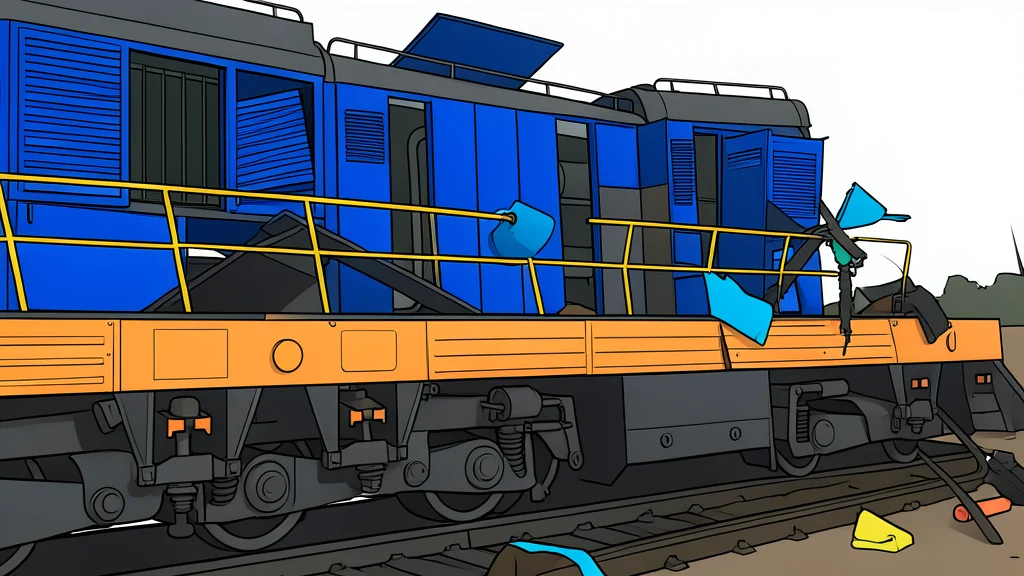
Michael Carpenter, who served as the United States Permanent Representative to the Organization for Security and Co-operation in Europe, has described NATO’s current strategic posture as highly underwhelming. Speaking on a recent broadcast, Carpenter argued that the alliance is failing to adequately address the evolving nature of Russian aggression. He specifically highlighted the attack on a Ukrainian train station as a critical example of hybrid warfare that exposes significant gaps in the collective defense framework.
The former diplomat contended that the response from Western institutions lacks the necessary urgency and structural depth to deter further incursions. According to Carpenter, the current approach does not sufficiently account for the non-kinetic dimensions of conflict that Moscow has increasingly utilized. This assessment suggests a growing disconnect between the theoretical commitments of the alliance and the practical realities on the ground in Eastern Europe.
Defining the Scope of Hybrid Threats
Hybrid warfare, as characterized in recent geopolitical analyses, often involves a blend of conventional military action, cyber operations, and information manipulation. Carpenter’s critique centers on the inability of traditional defense mechanisms to detect and neutralize these low-intensity strikes before they escalate. The attack on the train station serves as a tangible illustration of how infrastructure targets are used to destabilize civilian life and economic stability without triggering a full-scale conventional response.
By labeling the current response as underwhelming, Carpenter implies that the threshold for allied intervention remains too high. This creates a strategic vacuum that allows adversarial actors to test boundaries with minimal risk of retaliation. The argument suggests that a more robust and integrated approach is required to effectively counter these multifaceted threats.
Strategic Implications for Alliance Cohesion
The comments from Carpenter highlight a broader concern regarding the unity and readiness of NATO member states. When senior diplomats question the efficacy of the alliance’s response, it raises questions about internal coordination and resource allocation. The criticism suggests that political hesitancy may be hindering the development of a coherent and effective counter-strategy against Russian hybrid tactics.
Furthermore, the emphasis on the underwhelming nature of the response points to a potential shift in public and political discourse. As the conflict continues, there is increasing pressure on allied nations to demonstrate tangible capabilities beyond rhetorical support. This may lead to a re-evaluation of defense budgets and operational doctrines across the alliance.
Assessing the Future Security Landscape
Looking ahead, the challenge for NATO is to adapt its framework to address the nuances of hybrid warfare. According to Carpenter, this requires a more proactive stance rather than a reactive one. The alliance must develop mechanisms that can identify and disrupt hybrid operations at an early stage, thereby reducing the impact on civilian infrastructure and national security.
The forward question remains how the alliance will translate these critiques into actionable policy changes. Observers will be watching for signs of increased intelligence sharing, enhanced cyber defenses, and a more unified political stance among member states. The coming months may reveal whether the alliance is capable of closing the gaps identified by former officials.