France Issues Diplomatic Apology to Resolve U.S. Tension
Paris has issued a formal regret statement regarding a social media post that triggered a significant diplomatic rift with Washington, potentially clearing the path for a new ambassadorial appointment.
France’s permanent mission to the United Nations in Geneva has issued a statement expressing regret over a social media post that sharply criticized the United States regarding its stance on human rights. The message, which highlighted the U.S. vote against extending the term of the U.N. human rights chief alongside nations like Russia and North Korea, sparked a sharp diplomatic reaction from Washington. This incident has reportedly delayed the confirmation of France’s next ambassador to the United States, a process that sources indicate was being weighed against potential blocking measures by the U.S. State Department.
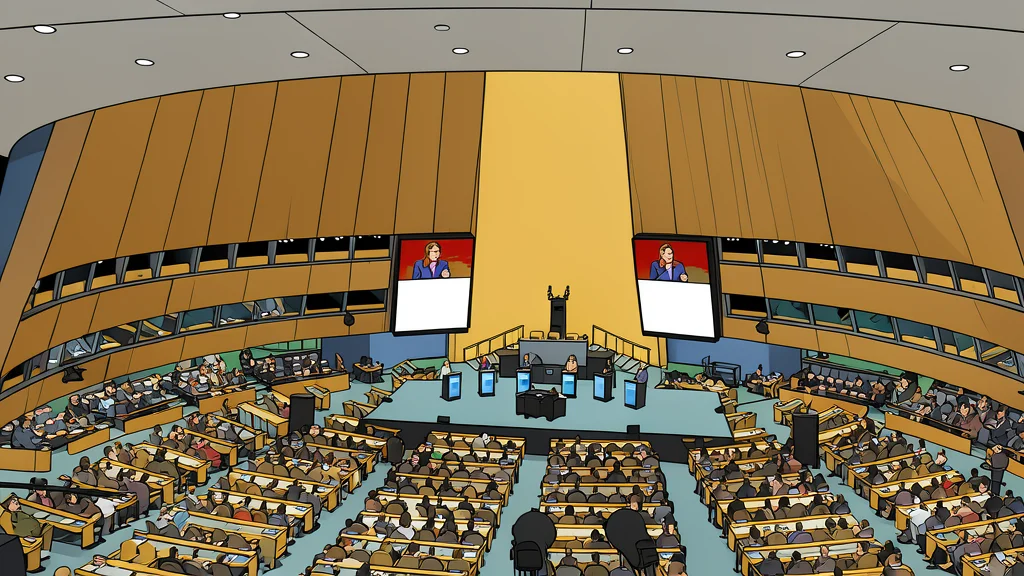
According to reports from GN geopolitics/rights (en-US), the U.S. response included walking out of a U.N. Security Council meeting during a French address. While the French mission acknowledged the disagreement over a specific vote, it emphasized that the core issue was not the defense of human rights itself. The apology aims to de-escalate the situation and may allow Aurelien Lechevallier, the current chief of staff to Foreign Minister Jean-Noel Barrot, to proceed with his nomination for the ambassadorial post in Washington.
Origins of the Diplomatic Friction
The dispute originated from a post published on X in late July, where the French mission to the U.N. questioned the United States' commitment to human rights values. The post drew a direct comparison between the U.S. and other nations that voted against extending the mandate of Volker Turk, the U.N. human rights chief. Washington viewed this public criticism as a breach of diplomatic norms, particularly given the bilateral relationship. The U.S. State Department responded by withdrawing from a Security Council session where France was speaking, signaling a serious strain in the dialogue between the two allies.
Ambassadorial Nomination Under Review
Sources indicate that the U.S. was considering blocking the choice of France’s next ambassador in Washington as a direct consequence of the social media exchange. Aurelien Lechevallier, a former Elysee aide, was targeted for the role with Paris aiming to have him in post by September. The French government’s recent statement, which was first reported by Le Monde, appears to be a strategic move to resolve the impasse. By expressing regret for the specific wording of the July 25 message, Paris hopes to satisfy Washington’s demand for a more respectful tone in bilateral communications.
A State Department official acknowledged the French statement, noting that they appreciate the clarification and look forward to continuing to work on shared values. This diplomatic maneuver underscores the sensitivity of public statements in international relations, where a single social media post can have tangible consequences for personnel appointments and institutional cooperation. The resolution of this specific incident will be a key indicator of the broader trajectory of Franco-American diplomatic ties in the coming months.
Future Diplomatic Engagement Priorities
With the immediate tension over the human rights vote and the ambassadorial nomination likely to subside, attention will turn to how both nations manage public discourse in the future. The French foreign affairs ministry has declined to comment further on the specific mechanics of the apology, but the statement on the U.N. website serves as the official record. Analysts suggest that while the core disagreement on U.N. votes remains, the willingness to issue a formal regret shows a desire to preserve the institutional framework of the alliance. The next few weeks will be critical in observing whether this apology leads to a smoother ratification process for Lechevallier and a restoration of the traditional diplomatic cadence between the two capitals.