Iran's President Pezeshkian Discusses War Aftermath and BRICS Role
Iranian President Masoud Pezeshkian outlined his country's defensive posture and economic strategy during an exclusive interview in New Delhi, emphasizing stability in the Strait of Hormuz and deepening ties with India.
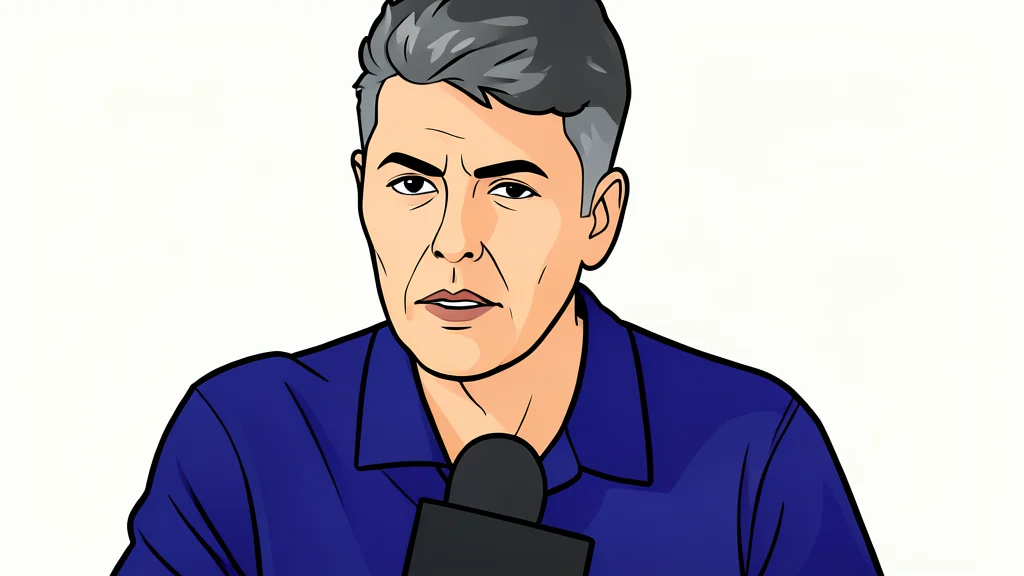
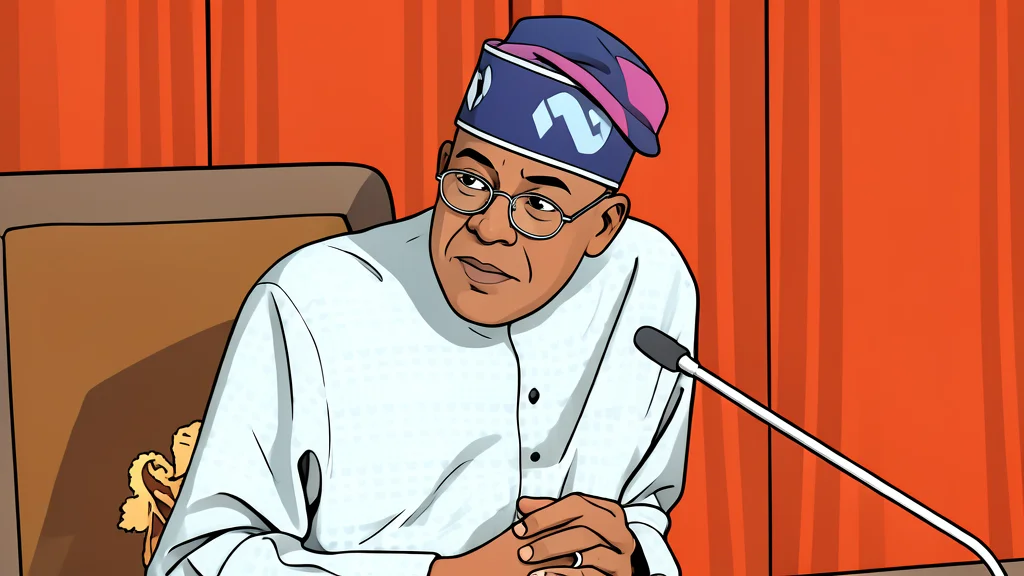
Iranian President Masoud Pezeshkian has characterized recent military engagements with the United States and Israel as acts of unprovoked aggression, asserting that Tehran’s response was strictly defensive. Speaking through an interpreter on the sidelines of the BRICS summit in New Delhi, Pezeshkian defended Iran’s right to self-defense following what he described as attacks on civilian infrastructure and military leadership. The remarks offer a direct window into the Iranian state's narrative regarding the ongoing geopolitical tensions in the region.
The interview, conducted by India Today’s Geeta Mohan, highlighted the strategic importance of Iran’s position as a transit hub for regional trade. Pezeshkian emphasized the viability of Chabahar Port as a critical node for India, arguing that economic connectivity serves as a stabilizing force amidst conflict. He framed these bilateral ties as a counterbalance to what he termed "totalitarianism," suggesting that a multipolar order is essential for global security.
Defensive Posture Amid Regional Conflict
According to the transcript provided by GN auto geopolitics/middle-east: Iran nuclear, Pezeshkian rejected the premise that Iran initiated hostilities. He cited specific incidents involving the loss of life among students, scientists, and military commanders as evidence of disproportionate force used against Iran. The President stated that these actions lacked any basis in international law or humanitarian principles. By framing the conflict as a response to existential threats, Tehran seeks to maintain domestic unity and international sympathy while navigating the aftermath of the strikes.
The President also addressed speculation surrounding the leadership of the country, maintaining that the institutional framework remains stable despite the loss of key figures. He emphasized that the state’s response to the attacks was unified and driven by a collective national interest rather than individual political agendas. This narrative aims to project strength and continuity to both domestic audiences and international partners who are assessing Iran’s long-term strategic capacity.
Strategic Importance of Chabahar Port
A central theme of the conversation was the economic resilience of Iran’s infrastructure, particularly Chabahar Port. Pezeshkian argued that despite the ongoing military situation, the port remains a vital link for India’s access to Central Asia and Afghanistan. He described Iran as a geopolitical crossroads that facilitates south-north and west-east connectivity, positioning the country as an indispensable partner in regional trade networks. The President suggested that reviving these trade routes could mitigate the economic stresses caused by sanctions and conflict.
Pezeshkian stressed that the deep cultural and historical ties between Iran and India provide a foundation for cooperation that transcends immediate political disputes. He indicated that both nations share an interest in countering unilateral power dynamics and promoting a more balanced international order. This diplomatic language underscores Tehran’s effort to secure long-term economic partnerships with New Delhi, even as it confronts security challenges from Western powers.
Path Toward Multipolar Cooperation
The President viewed the BRICS summit as an opportunity to reinforce alliances with other emerging powers, including the UAE and other regional states. He expressed a willingness to engage in renewed negotiations with Washington, but only under conditions that respect Iran’s sovereignty and security interests. According to Pezeshkian, the current international order is increasingly contested, and institutions like BRICS can help build a more equitable framework for global governance.
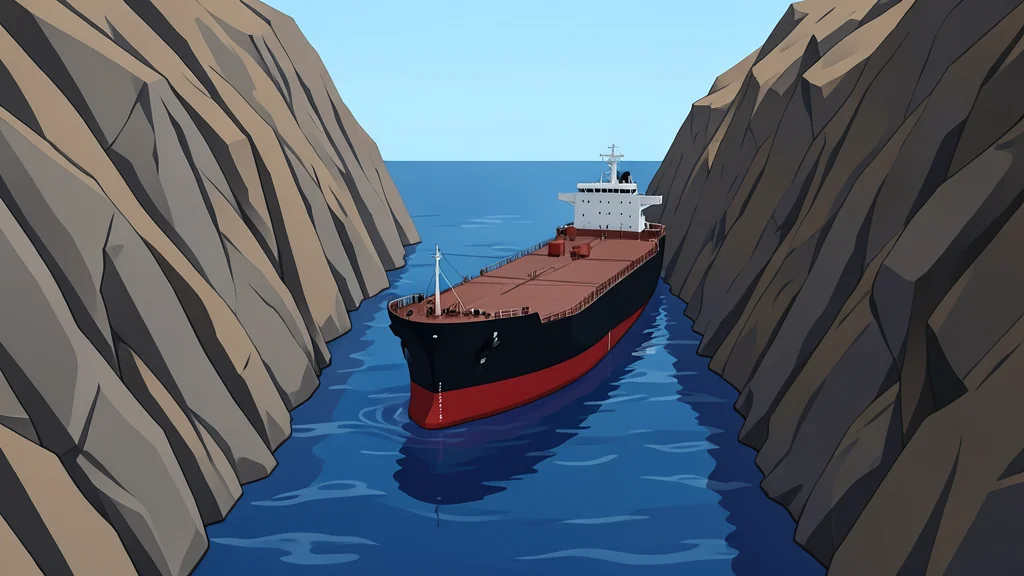
As the summit concludes, attention will turn to whether these diplomatic engagements translate into tangible economic agreements or security guarantees. Observers will closely monitor the status of the Strait of Hormuz, a critical chokepoint for global energy supplies, and any subsequent moves by Iran in its nuclear program. The coming weeks will likely reveal whether Tehran’s strategy of combining defensive rhetoric with economic outreach succeeds in stabilizing its position in a volatile regional landscape.