France Tests Global Air Reach with Pégase 26 Deployment
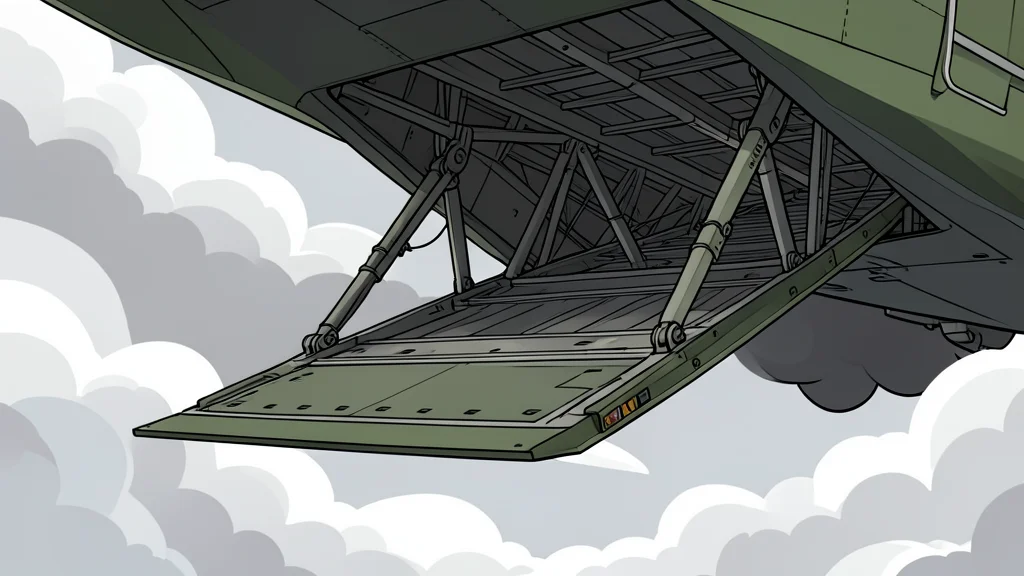
France has launched a four-month global air deployment to test logistical reach and interoperability across three strategic regions, signaling a shift toward sustained power projection far from European borders.
France has initiated Pégase 26, a long-range air deployment designed to test the limits of European military logistics and strategic reach. According to GN geopolitics/nato, the mission involves approximately 300 personnel and a mixed fleet of Rafale fighters, A330 MRTT tankers, and A400M transport aircraft. The force will cover more than 40,000 kilometers over 40 days, connecting the Arctic, the Indo-Pacific, and the Middle East in a single operational cycle.
The primary objective is not merely to fly the distance, but to validate the entire support system required to sustain combat power far from home bases. This includes aerial refueling, maintenance, command structures, and access to partner bases. By integrating these elements, France aims to demonstrate that allied forces can deploy quickly and operate effectively across vast distances, countering narratives of European strategic dependence.
Arctic Operations And Northern Corridors
The deployment begins in Greenland, where French forces are testing operations in severe climatic conditions. This phase serves to validate a new projection corridor towards Japan and the Indo-Pacific. France is also participating in Arctic Endurance exercises with Denmark, a practical component of European defense strategy in a region where Russia maintains substantial military capabilities. The increasing importance of air and maritime routes in the north makes this validation critical for future rapid response capabilities.
Indo-Pacific Partnerships And Sovereign Interests
In the Indo-Pacific, France operates not as an external visitor but as a state with sovereign interests, including territories and permanently deployed forces. The mission includes participation in Tarang Shakti exercises in India and enhanced cooperation with Japan, a key partner in the region. By integrating with forces from Japan, South Korea, Indonesia, and India, France is reinforcing a network of alliances that extends well beyond the traditional European theater, emphasizing interoperability with non-NATO partners.
Eastern Flank Coordination And Deterrence
This global deployment must be viewed alongside recent activity on NATO’s eastern flank. Polish, French, and Belgian air forces have recently conducted joint reconnaissance flights over the Black Sea. These operations aim to improve cooperation in air and maritime domains and build common situational awareness. By demonstrating that different NATO air forces can operate together close to areas of direct Russian military activity, the Alliance signals a commitment to integrated deterrence and readiness across multiple theaters simultaneously.
The conclusion of Pégase 26 will provide a clear assessment of whether European air forces can sustain such complex, multi-regional operations. Watch for follow-up reports on logistical bottlenecks encountered during the deployment and how these insights influence future NATO exercise planning. The ability to project power from the Arctic to the Middle East without overextending support lines will be a defining metric for European strategic autonomy in the coming years.