BRICS Leaders Reach Cautious Consensus Amid Regional Conflicts
The expanded bloc adopted a joint declaration in New Delhi, navigating deep divisions over the war in Iran and global trade disputes without naming specific adversaries.
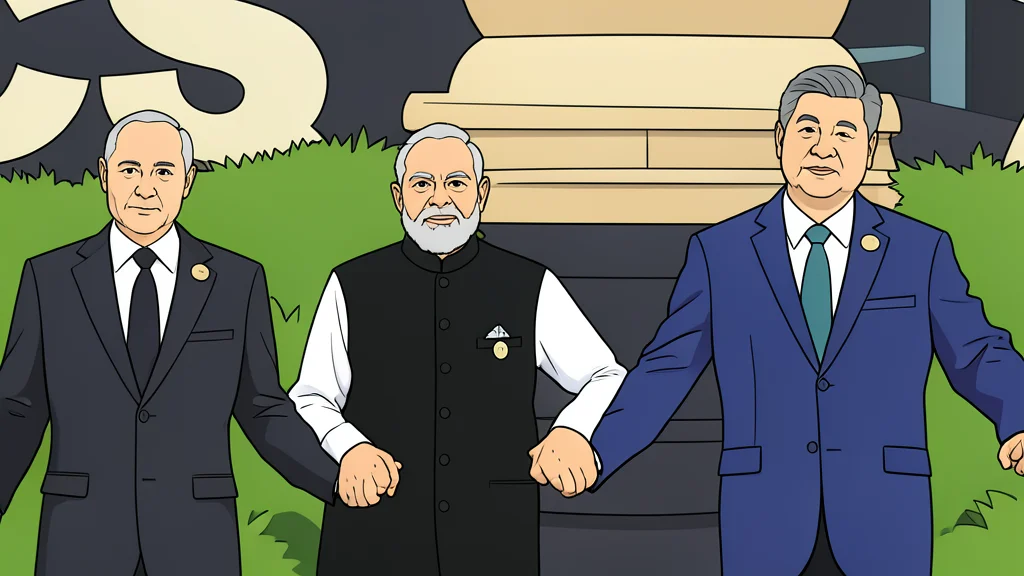
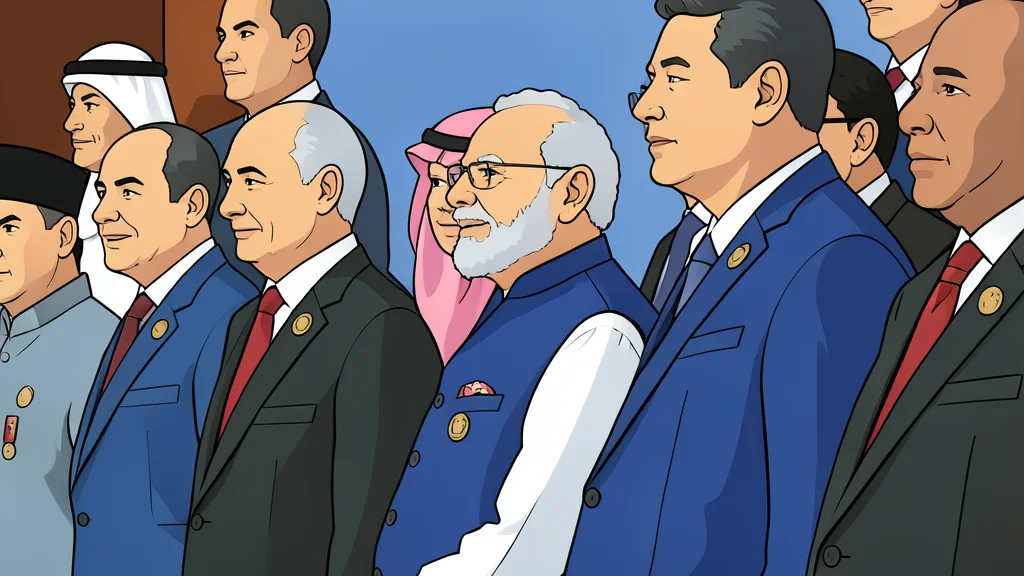
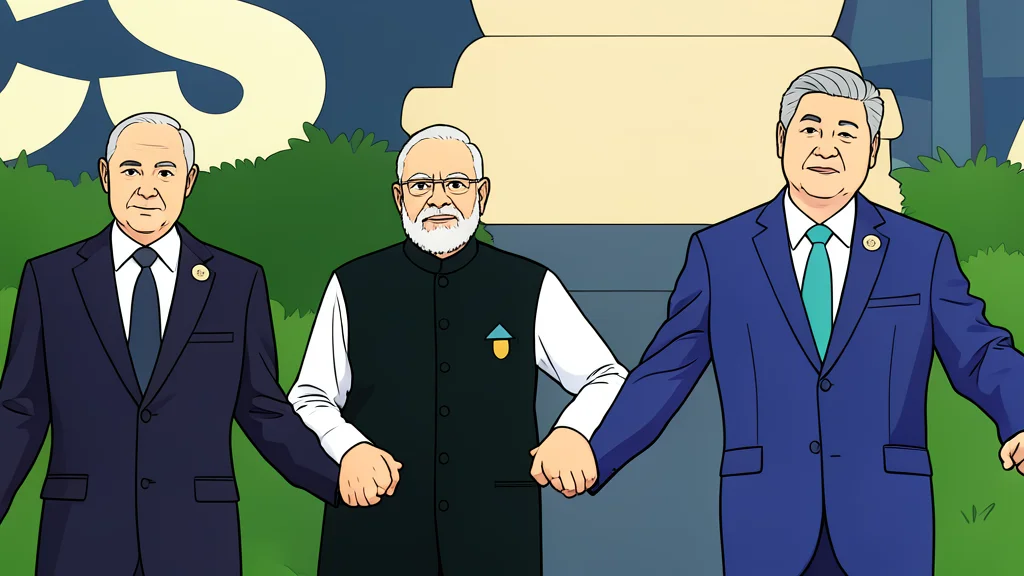
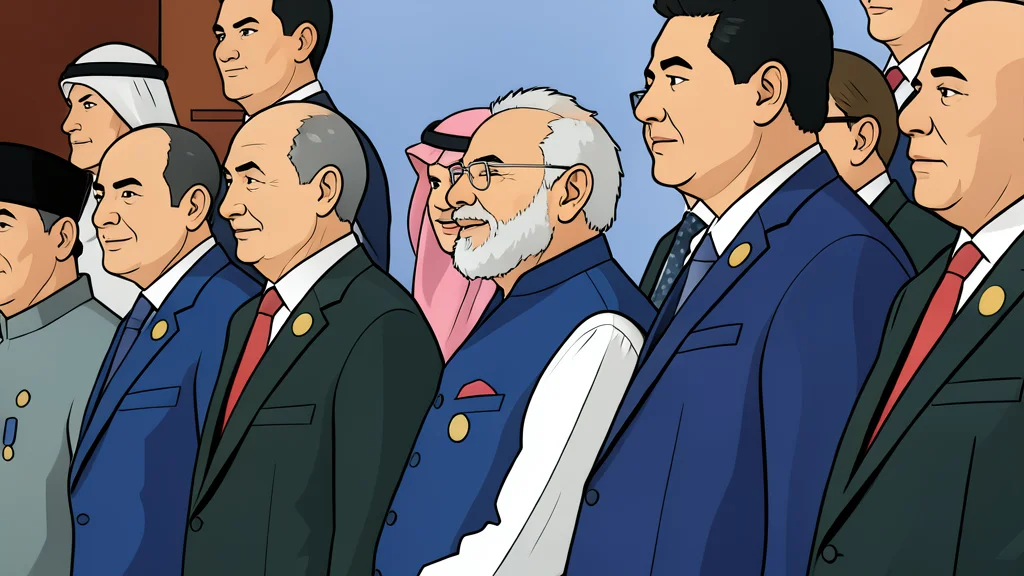
Leaders of the eleven-member BRICS bloc reached a unanimous agreement on a joint declaration in New Delhi, marking a diplomatic effort to maintain unity despite significant internal fractures. The summit, held amidst escalating tensions in the Middle East and broader global trade disputes, resulted in a document that emphasized restraint and multilateralism while carefully avoiding direct condemnation of specific actors. According to Al Jazeera English, the group managed to steer clear of naming countries involved in the recent conflicts, a tactical choice designed to preserve consensus among members with diverging interests.
The New Delhi Declaration, adopted on the first day of the two-day gathering, called for maximum restraint in the Middle East and criticized unilateral tariffs without explicitly identifying the United States. This approach reflects the bloc's attempt to position itself as a neutral forum for developing economies rather than an anti-Western coalition. Indian Prime Minister Narendra Modi described the moment as a "coming of age" for the group, urging the Global South to act as rule-shapers in international governance rather than passive recipients of rules established by traditional Western powers.
Navigating Deep Internal Divisions
The recent conflict involving Iran and the United States presented a significant test for the expanded membership. With Iran and the United Arab Emirates both holding seats at the table, and the latter having faced attacks, reaching a common position required careful diplomatic maneuvering. Former Indian Foreign Secretary Nirupama Menon Rao noted that New Delhi achieved a "significant diplomatic success" by securing a declaration despite sharp differences between these two members. The language used in the final text was deliberately generalized to bridge the gap between these opposing interests.
Chinese President Xi Jinping and Russian President Vladimir Putin attended the summit during a period of significant geopolitical upheaval. Xi stated that the war does not serve the common interests of the international community and called for a political settlement. Meanwhile, the bloc’s stance on trade highlighted the sensitivity of member states regarding their bilateral relationships with the United States. As reported from New Delhi, leaders condemned unilateral tariffs as contrary to international law but refrained from specifying the source, allowing targeted nations to maintain their economic ties without direct confrontation.
Redefining Global Economic Influence
BRICS, which accounts for approximately 40 percent of global GDP and nearly half the world’s population, continues to push for greater influence in international institutions. The group has long advocated for reforms in bodies such as the World Bank, the International Monetary Fund, and the World Trade Organization, seeking to reduce the dominance of Western powers in these structures. The recent expansion to include nations like Egypt, Ethiopia, and Saudi Arabia has broadened the bloc's geographic and economic reach, adding complexity to its decision-making processes.
Modi insisted that the bloc should not be interpreted as a project against any specific region or country. He emphasized that the goal is to ensure that developing economies have a larger voice in shaping global governance. This positioning allows the group to present itself as a constructive force for multipolarity, offering an alternative framework for international cooperation that prioritizes the interests of the Global South while maintaining diplomatic flexibility.
Uncertain Trajectory for Future Dialogue
The ability to maintain consensus in the face of ongoing conflicts will be a key indicator of the bloc’s future cohesion. Analysts suggest that the carefully generalized language used in the New Delhi Declaration may set a precedent for future interactions, where immediate condemnation is replaced by calls for restraint and dialogue. However, the underlying tensions between members with opposing geopolitical alignments remain unresolved, posing a challenge to the group’s ability to present a united front on critical global issues.
As the summit concludes, attention turns to whether the next gathering can build on this fragile consensus. The bloc’s success in navigating the current crisis without fracturing offers a modest diplomatic win, but the long-term viability of BRICS as a cohesive political and economic force depends on its ability to manage these deep-seated divisions in the months ahead.