Houthi Advance Reshapes Red Sea Strategic Balance

Recent military gains by the Houthis have altered the strategic landscape of the Red Sea, challenging assumptions of regional stability and testing the limits of diplomatic truces.
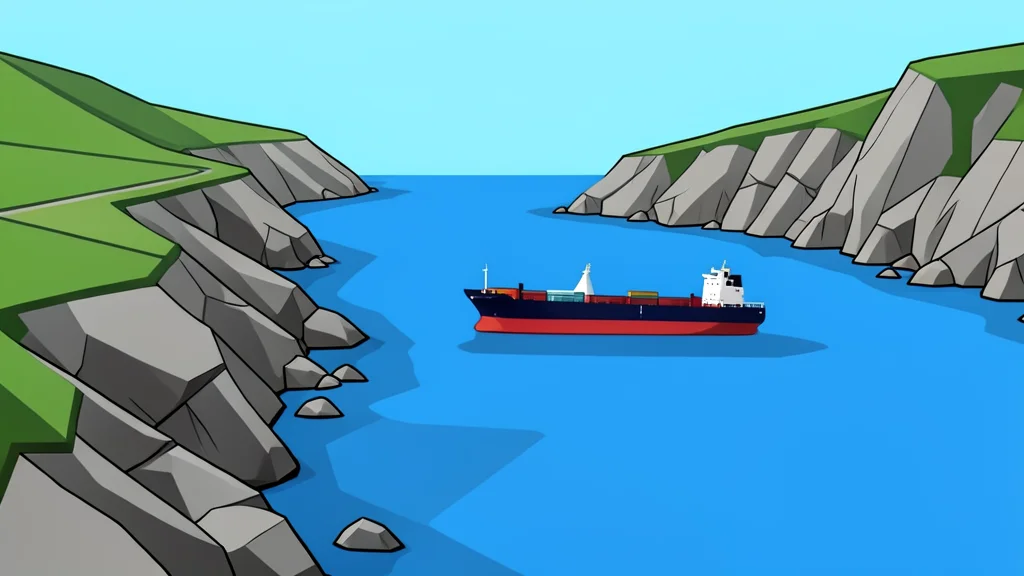
The rapid expansion of Houthi control along the Yemeni coastline has fundamentally shifted the geopolitical dynamics of the Red Sea. According to reports from GN auto geopolitics/middle-east: Yemen conflict, the movement’s capture of key positions such as Mocha and Perim Island grants them unprecedented leverage over one of the world’s most critical maritime corridors. This development is not merely a continuation of the long-standing civil war, but a calculated move that intertwines local ambitions with broader regional rivalries involving Iran, Saudi Arabia, and the United States.
The current escalation stems from a complex mix of factors, including the Houthis’ desire to strengthen their negotiating position and the spillover effects of the wider conflict in the region. While some observers view this as a direct confrontation with Gulf states, others see it as a multi-layered struggle for control over Yemen. The speed of these advances suggests a strategic reorganization that has outpaced the response of the internationally recognized government, which appears to have underestimated the threat during the previous period of relative calm.
Misjudging the Fragile Truce
The offensive cannot be fully understood without examining the flawed peace that preceded it. A United Nations-mediated truce in 2022 led to a de facto ceasefire, accompanied by confidence-building measures such as resumed flights and diplomatic visits between Sanaa and Riyadh. However, these steps encouraged a dangerous assumption that the conflict was resolving itself. The internationally recognized government, according to analysts, mistook the absence of major fighting for a durable balance of power, leading to internal division and a lack of coherent military strategy.
In contrast, the Houthis utilized the pause in hostilities to consolidate their administration and expand their capabilities. A 2024 report by United Nations experts estimated that their fighting strength rose significantly from 2022 to 2024, indicating a substantial increase in manpower and resources. This expansion was reportedly supported by the mobilizing cause of the conflict in Gaza, which allowed the movement to portray their actions as a defense of Palestinian interests, thereby garnering broader support across Yemen’s diverse political and sectarian lines.
Iranian Strategy and Regional Calculus
The role of Iran in this escalation is nuanced. For the first six months of the broader regional war, Tehran reportedly sought to prevent the Red Sea from becoming a major front, aiming to keep Saudi Arabia and Egypt outside of US-led military alignments. It is reasonable to assume that Iran initially pressed the Houthis to avoid provoking Saudi Arabia, recognizing that renewed attacks on shipping or territory could push Riyadh and Cairo closer to Washington. However, recent events suggest a shift in these deterrence strategies, with the Houthis acting on priorities that may now diverge from Tehran’s initial restraint.
The situation is further complicated by the spillover of the Iran-Israel conflict, which has provided a backdrop for increased Houthi operations. By framing their Red Sea activities as part of a larger struggle against Israel, the Houthis have elevated their profile beyond the confines of the Yemeni civil war. This has created a new front in the wider geopolitical contest, where the interests of local actors, regional powers, and global superpowers intersect in a volatile and unpredictable manner.
Future Implications for Maritime Security
The forward question remains what to watch next as the strategic landscape continues to evolve. The Houthi control of the Bab al-Mandeb strait presents a significant challenge to global trade and security. Observers are closely monitoring whether the unified front in the Red Sea will hold or if further fragmentation will occur. The ability of regional powers to coordinate their responses, and the willingness of global actors to intervene, will determine the trajectory of this conflict and its impact on international stability.