SCO Council Reaffirms Support for Iran Amid Regional Tensions
The Shanghai Cooperation Organization's security body has issued a strong statement opposing recent military actions, signaling a unified front among its member states regarding the preservation of sovereignty in the Middle East.
The Regional Anti-Terrorist Structure of the Shanghai Cooperation Organization (SCO RATS) has formally condemned the latest United States military strikes on Iran. This position was articulated during the 46th meeting of the SCO RATS Council, held in Islamabad under the chairmanship of Pakistan. The statement marks a significant diplomatic development, as the body reaffirmed its opposition to external military intervention in the Islamic Republic.
According to a statement released by Pakistan’s Foreign Ministry, the council expressed condolences for the death of Iran’s Supreme Leader, Ali Khamenei, and for other casualties resulting from the recent hostilities. The delegates emphasized the importance of preserving Iran’s sovereignty, security, and territorial integrity, while simultaneously advocating for de-escalation measures to restore stability in the broader region.
Unified Response From Member States
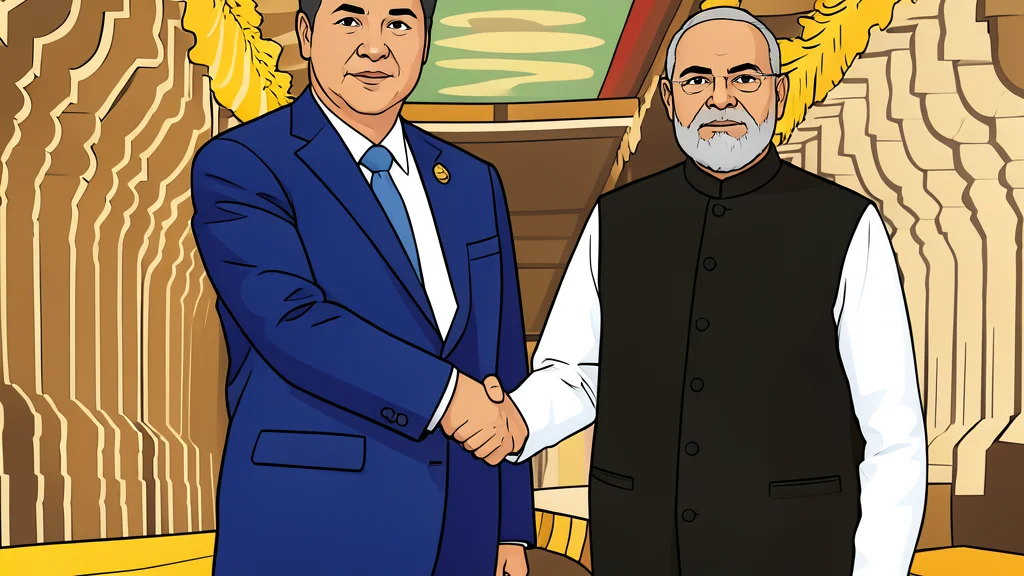
The meeting brought together delegations from ten member nations, including China, Russia, India, Kazakhstan, Kyrgyzstan, Tajikistan, Uzbekistan, Belarus, and Pakistan, along with representatives from the SCO RATS Executive Committee. The presence of these diverse powers underscores the organization's role as a forum for coordinating security policies across Eurasia and the Middle East. By issuing a joint condemnation, the group signaled a collective stance against unilateral military actions that they view as disruptive to regional peace.
The SCO RATS Council noted that current international security issues were a central topic of discussion. The condemnation of the US strikes on Iranian military targets reflects a broader alignment among SCO members who prioritize diplomatic resolution and the inviolability of national borders. This unified voice adds a layer of diplomatic complexity to an already volatile geopolitical landscape, where military actions are increasingly met with multilateral institutional responses.
Context of Escalating Regional Conflict
The diplomatic censure comes in the wake of fresh US strikes on Iranian military targets earlier this month. In response, Iran has reportedly launched missile and drone attacks against US-linked positions in the region. This cycle of retaliation has heightened tensions, prompting the SCO to intervene with a clear message supporting the de-escalation of violence. The organization's stance highlights the growing significance of multilateral bodies in addressing security crises that transcend bilateral relations.
As reported by GN geopolitics/terror, the SCO’s reaction is part of a broader pattern of non-Western institutions asserting their influence on global security matters. The council’s emphasis on peace and stability suggests an attempt to channel the conflict toward diplomatic solutions rather than allowing it to spiral into a wider regional war. This approach aligns with the SCO’s traditional focus on combating terrorism and maintaining internal security among its members, while also extending its reach to external crises affecting its strategic partners.
Transition of Leadership to Russia
Following the conclusion of the 46th meeting, the chairmanship of the SCO RATS Council was transferred from Pakistan to Russia. This transition places significant weight on Moscow to drive the agenda for the coming year, a period that may see continued friction between Iran and Western powers. Russia’s leadership of the body could influence the tone and substance of future statements, potentially shaping how the SCO responds to ongoing developments in the Middle East.
Observers will likely watch how the new Russian chairmanship manages the delicate balance between supporting Iran’s sovereignty and maintaining broader regional stability. The upcoming sessions of the SCO RATS Council will be crucial in determining whether the organization can effectively mediate or at least mitigate the impact of the current conflict. The forward question remains how these diplomatic efforts will interact with the ongoing military realities on the ground, and whether the SCO’s unified stance can contribute to a lasting cessation of hostilities.