French Officer Detained over Far-Right Terror Plot
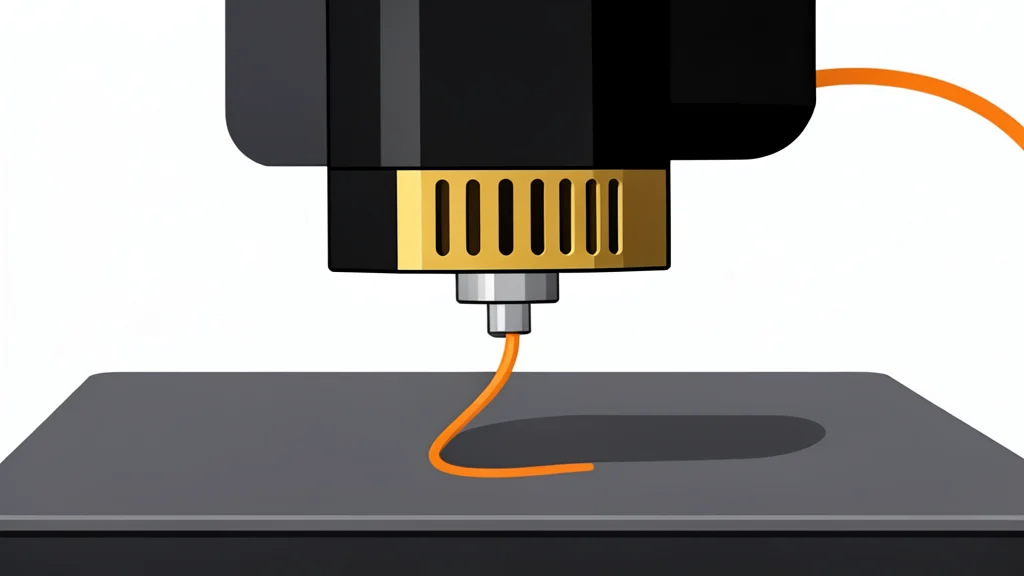
A Yvelines police officer has been remanded in custody after being accused of planning attacks and manufacturing weapons using 3D printing technology, according to judicial sources.
A French police officer serving in the Yvelines department west of Paris has been placed in pre-trial detention following allegations that he planned terrorist attacks rooted in violent far-right ideology. The 35-year-old was arrested by anti-terrorism investigators on August 23 as he left his workplace, marking a significant development in ongoing efforts to monitor extremist threats within security forces.
According to judicial sources, the officer is suspected of preparing a terrorist act, manufacturing weapons, and committing associated offenses. A source close to the investigation described his beliefs as adhering to a "violent, radical, far-right ideology." After spending 96 hours in police custody, he was formally remanded in custody while the investigation continues.
Alleged use of 3D printing technology
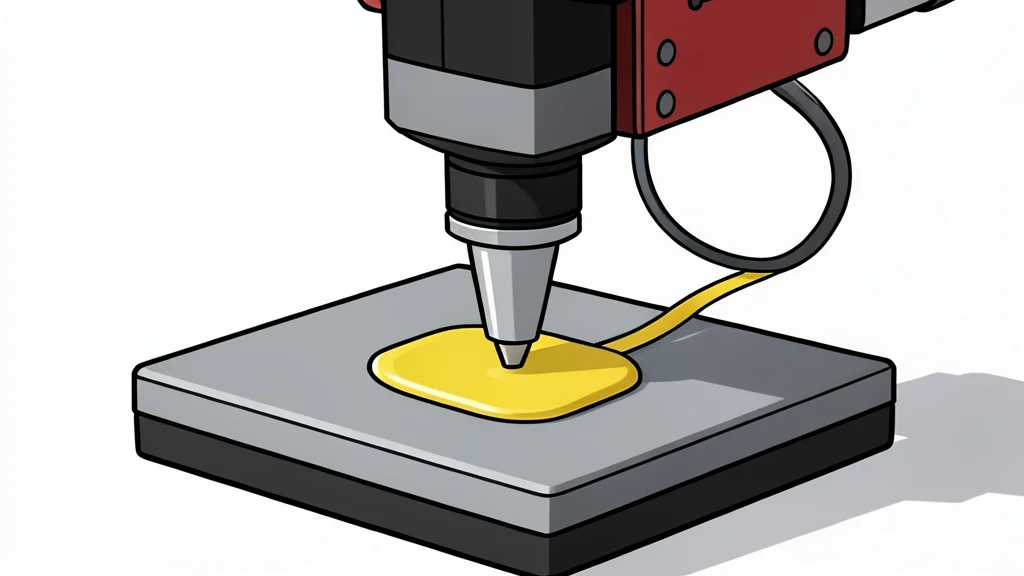
Investigators allege that the officer used 3D printing technology to manufacture firearms. French broadcaster TF1/LCI reported that parts of weapons were discovered during searches of his home and vehicle. The National Anti-Terrorism Prosecutor’s Office opened a judicial investigation on August 27 into the individual preparation of a terrorist act, as well as the manufacture and possession of category A or B weapons in connection with terrorism.
The inquiry also encompasses allegations of incitement to terrorism through online communications. According to the broadcaster, the officer is suspected of discussing potential attacks against French state institutions and members of the security forces in digital channels. He remains the only person currently under formal investigation in this specific case, with no co-conspirators identified at this stage.
Context of heightened security scrutiny
This arrest occurs amid increased scrutiny of violent far-right networks in France, where authorities have investigated several suspected plots involving extremist activists in recent years. The case adds to a broader pattern of concern regarding radicalization within public institutions, prompting a closer examination of security protocols and ideological monitoring among law enforcement personnel.
The incident follows a separate controversy involving a municipal police officer in Carcassonne, whose body camera footage revealed racist and conspiratorial comments. That officer, a volunteer for the National Rally’s security operations, was expelled by the party after the footage became public. There is no indication that the officer detained on terror charges has any connection to the National Rally or that political party involvement is part of the current investigation.
Forward questions on radicalization monitoring
As the judicial process moves forward, attention turns to how effectively security forces are monitoring ideological shifts among their own ranks. The use of additive manufacturing for weapons raises new challenges for detection and interdiction, potentially expanding the scope of future anti-terrorism measures. Observers will watch whether this case leads to broader reforms in internal security vetting and digital surveillance of online extremist communications.