Russia Holds First Parliamentary Vote Since War Began
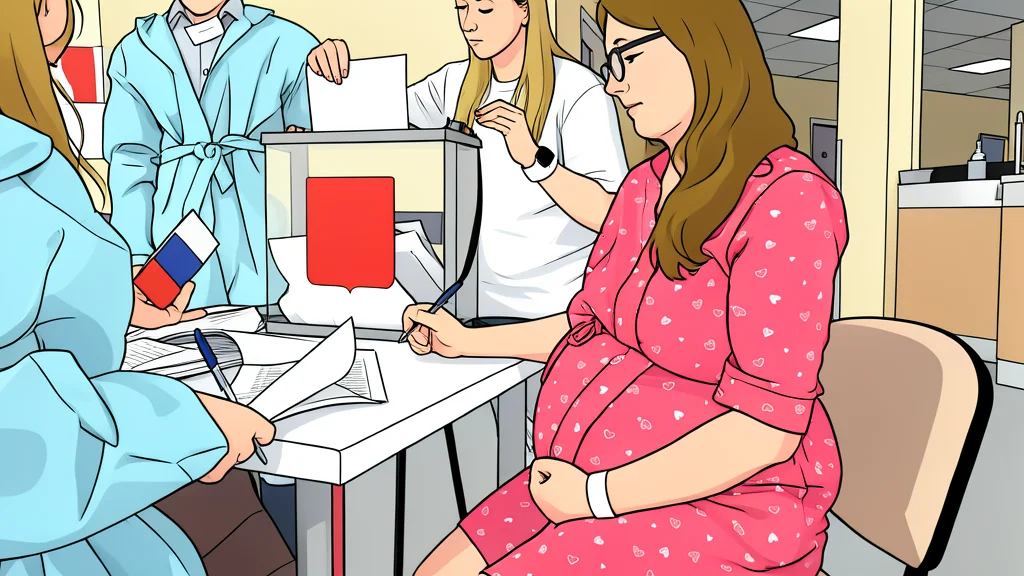
Russians head to the polls for the first time since the invasion of Ukraine, a process observers describe as a test of national unity under wartime conditions.
Voters in Russia are casting ballots for the first time since the full-scale invasion of Ukraine began in early 2022. The election, held this weekend, determines the composition of the 450-seat State Duma, with the governing United Russia party expected to retain its dominant majority. While the vote is officially scheduled according to constitutional timelines, it occurs against a backdrop of escalating military activity and domestic economic strain.
According to Al Jazeera English, the Kremlin frames the election as a reaffirmation of public support for the ongoing special military operation. President Vladimir Putin stated in a recent address that the vote would demonstrate that millions of citizens stand together with the armed forces. This narrative contrasts with independent assessments that view the process as a procedural formality designed to maintain political stability during a period of heightened conflict.
Political Narrative and Candidate Profiles
The electoral landscape features a mix of high-profile incumbents and niche challengers. United Russia has fielded prominent figures, including former President Dmitry Medvedev and Vladislav Golovin, a veteran of the Mariupol siege. Their presence underscores the party's strategy of linking political legitimacy directly to military service and nationalist sentiment. State media campaigns have emphasized historical warrior imagery to reinforce the idea that voting is an act of patriotic duty.
In the Far Eastern Federal District, Damir Gurin runs as a candidate for the Green Party, focusing on ecological issues such as industrial emissions and affordable housing. His campaign highlights environmental protection as a core component of institutional representation. However, analysts note that these regional and thematic concerns are likely to be overshadowed by the central political narrative surrounding the war and national security.
Domestic Impact of Military Conflict
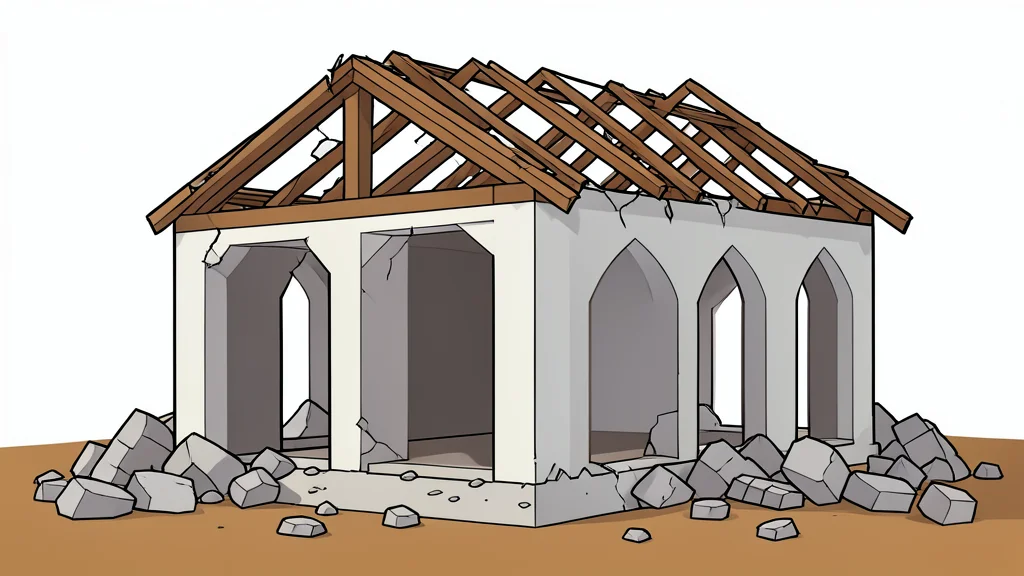
The conflict is increasingly affecting daily life within Russia, complicating the political message of stability. Ukrainian drone attacks have targeted Moscow and oil infrastructure, leading to localized fuel shortages. In Saint Petersburg, residents report long lines at gas stations and anxiety over periodic explosions near residential areas. One resident described the physical impact of nearby attacks, noting shaking ceilings and falling plaster, which has led to a sense of vulnerability despite official assurances of safety.
Authorities have responded to these challenges with measures such as internet blackouts, justified by national security concerns. A psychiatrist in Saint Petersburg observed a shift in public mood in her home village, describing increased radicalization and militarization over the past year. These observations suggest that while official channels project unity, the lived experience of many citizens is marked by uncertainty and disruption.
Public Opinion and Legitimacy Questions
Independent polling by Levada indicates a complex picture of Russian public opinion. More than half of respondents support peace talks, yet nearly 70 percent also express support for the actions of the armed forces in Ukraine. This duality presents a challenge for the Kremlin, which seeks to present a unified front of support for the war effort. Social scientist Ilya Budraitskis suggests the government is using the election to counter claims that wartime conditions invalidate democratic processes, asserting that holding votes on schedule preserves state legitimacy.
The election results are expected to be largely predetermined, with United Russia securing a comfortable majority. However, the broader significance lies in how the outcome is perceived internationally and domestically. As the war continues, the interplay between political mandates and military realities will remain a central theme. Observers will watch for any shifts in policy or rhetoric following the vote, as well as the continued impact of security measures on civil life.