German Coalition Divides over Fuel Relief Ahead of State Votes
With state elections looming, Germany's ruling parties remain split on how to address record-high fuel prices, testing the stability of Chancellor Merz's government.
Germany’s governing coalition is facing a significant internal dispute over how to manage soaring fuel prices, with two state elections scheduled for this weekend. The disagreement centers on whether to implement direct price caps or rely on tax relief, a divide that has intensified as public frustration with rising costs grows. According to Deutsche Welle, this economic pressure is now dominating the political landscape in the lead-up to the polls.
The tension is particularly acute within the center-right bloc, where Chancellor Friedrich Merz insists that relief is imminent, while his junior coalition partner, the Social Democrats, demand more aggressive measures. This lack of consensus comes at a precarious moment for the government, which is already grappling with declining approval ratings and poor performance in recent regional contests. As voters prepare to cast their ballots, the ability of the coalition to present a unified front on economic policy will be closely scrutinized.
Coalition Split Over Relief Measures
The core of the disagreement lies in the specific mechanisms proposed to lower costs at the pump. The Social Democratic Party, led by Finance Minister Lars Klingbeil, has long advocated for a government-enforced price cap on gasoline and diesel, coupled with new taxes on heavy oil company profits. They argue that these measures are necessary to provide immediate relief to households. In contrast, the conservative Christian Democrats have resisted such regulatory interventions, preferring a fuel tax relief scheme similar to one enacted earlier in the year.
CDU General Secretary Franziska Hoppermann stated that the government aims for a reduction of approximately 22 to 25 cents per liter by the beginning of October. However, she did not provide concrete details on how this target would be achieved without the tax measures preferred by the SPD. The SPD’s state premier in Mecklenburg-Western Pomerania, Manuela Schwesig, has publicly called for a quick price cap, highlighting the growing pressure on Chancellor Merz to deliver tangible results before the election weekend concludes.
Political Pressure Rises Amidst Low Approval
The fuel price debate is unfolding against a backdrop of significant political challenges for Chancellor Merz. A recent survey by YouGov indicates that nearly half of the German adults questioned expect him to no longer be chancellor by the end of the year. This sentiment follows a dismal performance by his Christian Democrat party in the eastern state of Saxony-Anhalt two weeks ago, where the party secured only 17 percent of the vote. The far-right Alternative for Germany, or AfD, dominated that election with over 44 percent support.
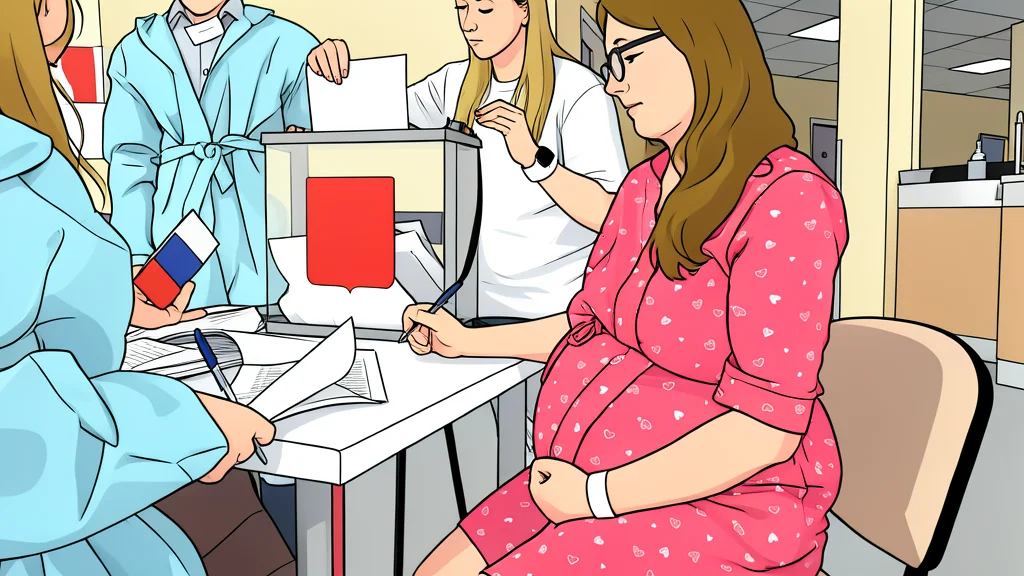
Looking ahead to this weekend's elections in Mecklenburg-Western Pomerania and Berlin, polls suggest the CDU is hovering near the 5 percent threshold required to enter parliament. If these projections hold, it would mark the party's worst election result at any level since World War II. The Social Democrats and the AfD are currently neck and neck in the polls, creating a complex political landscape where the incumbent coalition faces intense scrutiny and potential electoral losses.
Watch Points for the Coming Weeks
As the election results in Mecklenburg-Western Pomerania and Berlin are tallied, the reaction from the federal government will be a key indicator of its stability. Observers will be watching to see if the coalition can bridge its internal differences on fuel policy to present a united front. Any failure to reach a consensus on price relief could further erode public confidence in Chancellor Merz's leadership. The coming days will likely determine whether the government can stabilize its position or if the political fragmentation seen in recent regional votes will deepen at the federal level.