German Political Divide over Ukraine Aid Intensifies
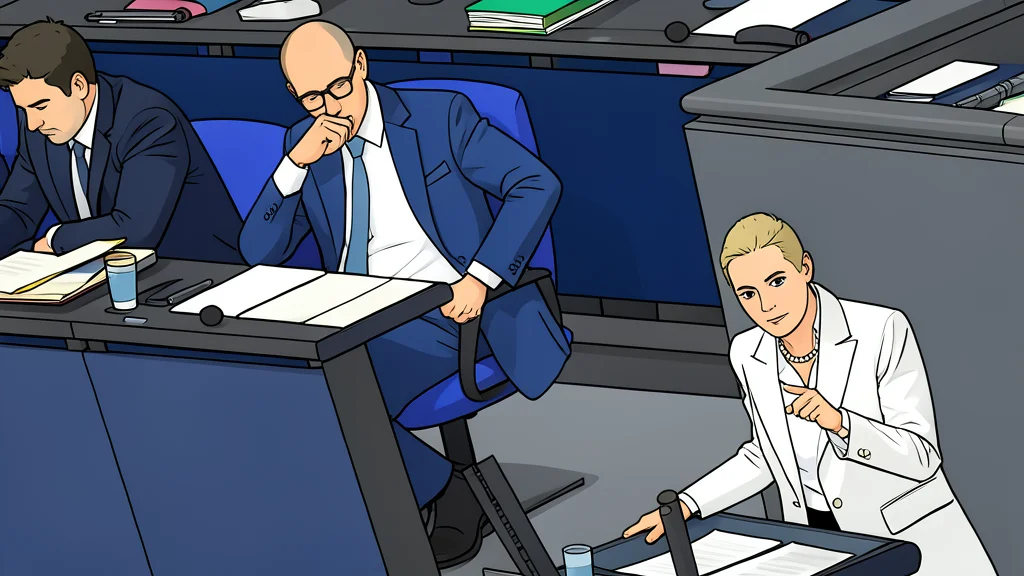
Following a significant electoral victory in Saxony-Anhalt, the AfD is pressing for a shift in Germany's Ukraine policy, challenging the federal government's continued military support.
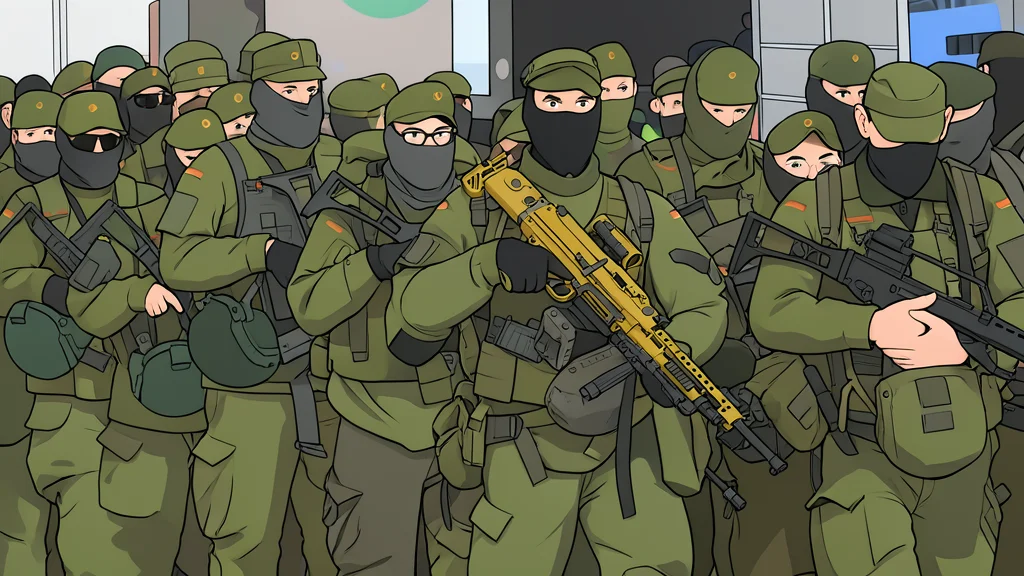
Berlin’s commitment to military aid for Ukraine faces its most vocal domestic challenge yet, as the far-right Alternative for Germany (AfD) seeks to redirect national policy toward diplomatic negotiations with Moscow. Chancellor Friedrich Merz has reaffirmed the government's stance, arguing that supporting Ukraine is essential to defending European freedom, despite growing political pressure from the east.
Parliamentary Pressure for Policy Change
According to reports from Deutsche Welle, AfD co-leader Alice Weidel urged the government to prioritize peace talks, mirroring the approach indicated by US President Donald Trump. She also advocated for the restoration of cheap Russian natural gas, linking energy costs to the broader geopolitical conflict. This stance contrasts sharply with the federal position, which views the ongoing war as a direct threat to NATO security.
The debate was further inflamed by comments from AfD lawmaker Jürgen Koegel, who referred to Vladimir Putin as a valued president and denied the existence of an imminent war threat. Such statements have drawn criticism for downplaying the severity of Russia's military actions in Ukraine, highlighting a deep ideological rift within the Bundestag.
Regional Voting Patterns in Eastern States
The AfD's recent electoral success in Saxony-Anhalt, where it secured nearly 44 percent of the vote, has emboldened the party to push its agenda more aggressively. Political analysis suggests that a significant portion of eastern German voters are skeptical of continued weapons deliveries, preferring a diplomatic focus. This sentiment is not necessarily pro-Russian but stems from a desire to avoid further escalation in a conflict seen by some as unwinnable.
Surveys conducted prior to the state election revealed a distinct east-west divide on this issue. While a minority of western Germans believed military assistance had gone too far, the proportion was significantly higher in the former East Germany. This regional disconnect reflects broader anxieties about social security and economic stability, which have superseded concerns about immigration or climate in voter priorities.
Escalating Tensions and Security Concerns
Recent diplomatic friction has heightened domestic tensions, particularly after the German government blamed Russia for a failed drone attack on Leipzig airport. Moscow rejected these accusations, with officials characterizing the incident as a grave error or even a provocation. This exchange marked a notable escalation in relations, contributing to a climate of uncertainty regarding European security.
Despite the political controversy, a majority of Germans still perceive Russia as a significant threat, according to recent polling data. However, this perception is less pronounced among AfD supporters and residents of eastern states. As the political landscape evolves, the federal government must navigate these internal divisions while maintaining its international commitments, a challenge that will likely define the coming legislative sessions.