Houthi Advance Complicates US Strategy in Red Sea

A rapid territorial shift by Yemen’s Houthis toward the Red Sea coast is altering the geopolitical calculus for Washington, creating new pressure points that intersect with the broader Iran conflict.
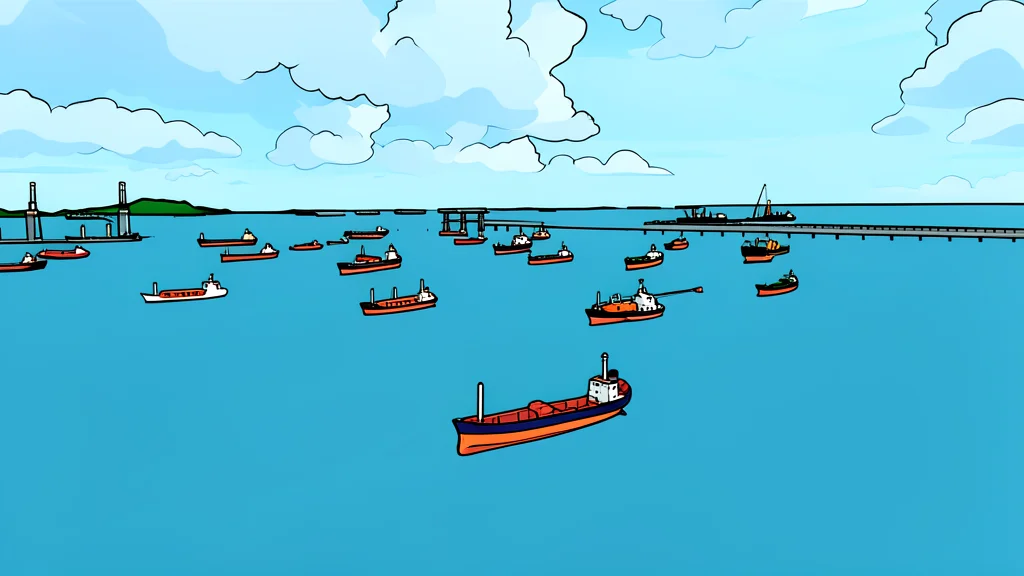
Yemen’s Houthi rebels have executed a swift offensive that has extended their control to the Red Sea coastline, establishing a new strategic foothold that threatens vital maritime routes. This development marks a significant escalation in the regional proxy conflict, as the group now commands a position overlooking the Bab el-Mandeb strait. According to recent reporting, this move adds a second major pressure point to the existing tensions in the Strait of Hormuz, effectively tightening the noose around Saudi Arabia’s oil export capabilities.
The advance has been accompanied by aerial strikes on military installations in southern Saudi Arabia, signaling a shift in the balance of power after more than a decade of intermittent war. Analysts suggest the primary objective is to secure dominance over Red Sea shipping while Iran maintains its leverage over Hormuz. This dual-front strategy aims to drive up energy prices and complicate diplomatic efforts by Washington to resolve the broader crisis with Tehran, forcing Gulf states to reconsider their stances on engagement versus containment.
Historical Context of the Proxy Conflict
The origins of this confrontation trace back to the 2011 Arab Spring, which created the chaos that allowed the Houthis to oust the internationally recognized government in Sanaa in 2014. Saudi Arabia intervened the following year, supported by a coalition of Western powers, driven by fears that the Iran-aligned group would seize control of the critical strait. Although a UN-brokered ceasefire in 2022 had curbed major escalations, the underlying dynamics of the Iran-Saudi proxy war remained unresolved, setting the stage for renewed hostilities.
Recent years saw the conflict expand into the maritime domain, with Houthi attacks on Red Sea shipping beginning in 2023 during the war in Gaza. The United States and the United Kingdom conducted strikes in 2025 to restore freedom of navigation, leading to a deal last year that halted US attacks in exchange for a cessation of ship strikes. However, clashes resumed in July as both sides enforced new maritime blockades, with the Houthis targeting Saudi tankers accused of violating their restrictions, thereby reigniting the direct confrontation.
Strategic Implications for Washington
President Donald Trump has thus far avoided committing to a full-scale rescue operation for Saudi Arabia, wary of exposing US forces to renewed missile attacks from Yemen. However, the Houthi advance to the coast has altered the risk calculation. According to Edmund Fitton-Brown, a former UK ambassador to Yemen, the rebels believe the moment has arrived to test Saudi resolve. He argues that the group perceives Riyadh as weakened and hesitant in the face of Iranian pressure, creating an opportunity to demand further concessions.
The situation presents a complex dilemma for the White House, which must weigh the cost of intervening against the risks of inaction. If the Houthis succeed in controlling the Red Sea, they will have effectively strangled a key artery of global trade and energy flow. This would not only harm Saudi Arabia but also undermine US economic interests and its ability to stabilize the region. The forward question now centers on whether Washington will deploy additional assets to break the Houthi grip or seek a diplomatic off-ramp that addresses the underlying security concerns of the Gulf states.
Regional Stability and Future Outlook
Gulf states are currently deliberating between tolerating the shifting status quo or engaging more directly with Tehran to protect regional trade. The dual control of the straits by Iran-aligned actors poses a significant threat to global energy security. As the Houthi offensive continues, the focus shifts to whether the international community can coordinate a response that prevents further fragmentation of the region. The coming weeks will likely reveal whether the current stalemate can be maintained or if the conflict will expand into a broader military engagement involving multiple state actors.