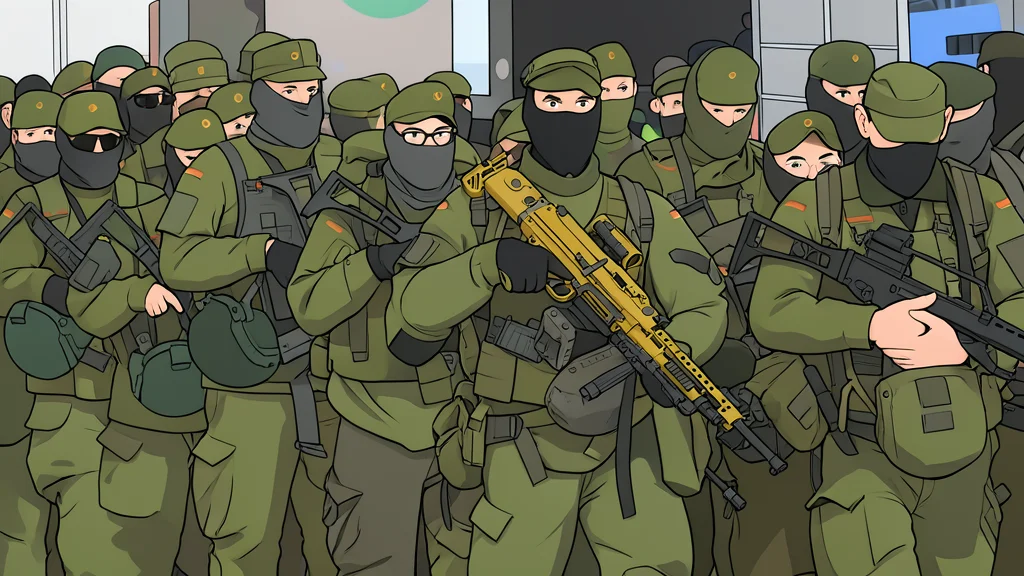
Iraq Reopens Border Trade with Iran After Drone Incident
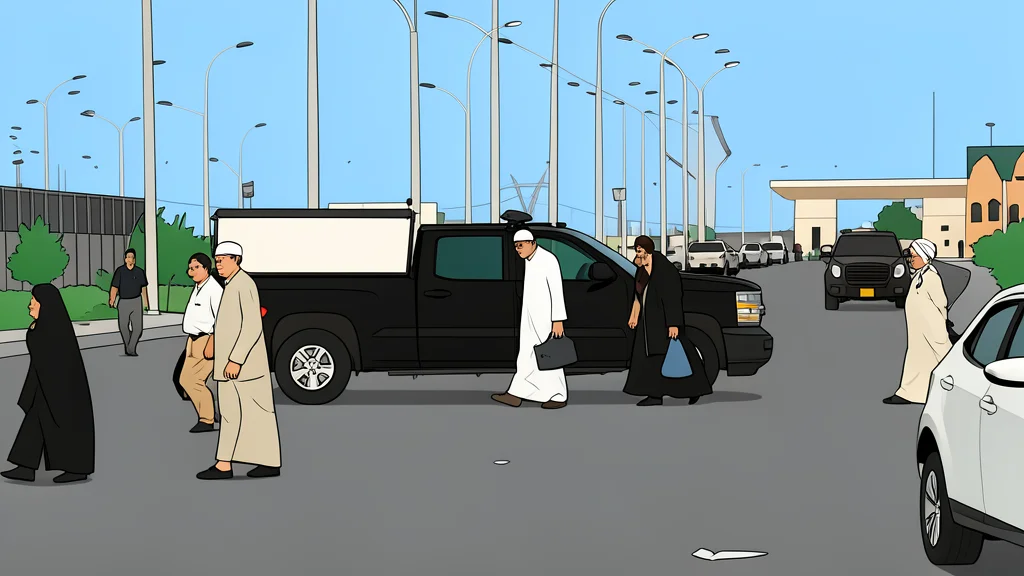
Baghdad has announced the phased resumption of commercial activity at key border crossings with Tehran, following a brief suspension triggered by security concerns and a disputed drone attack on Saudi infrastructure.
Iraq has begun reopening its land borders with Iran, reversing a temporary closure that was implemented in response to heightened security tensions. According to the Iraqi Security Media Cell, passenger traffic resumed early Sunday morning at the al-Shaib and Shalamcheh crossings. The official statement outlined a structured timeline for the return of commercial operations, indicating that trade would restart at Shalamcheh on Monday, Mandali on Tuesday, and al-Shaib on Thursday.
While some gates remain closed for maintenance or security checks, others continue to operate without interruption. The Zurbatiya and al-Mundhiriya crossings, which are critical for continuous logistics, have maintained round-the-clock trade throughout the period. This partial reopening suggests a strategy to balance economic continuity with the need for thorough security assessments in the regions most affected by the recent incident.
Security Concerns Prompted Temporary Closure
The decision to close several crossings on Saturday came in the wake of a drone attack targeting a pipeline in Saudi Arabia. Riyadh and Baghdad stated that the drone originated from Iraqi territory, a claim that has intensified diplomatic scrutiny. Although no group has publicly claimed responsibility for the strike, an alliance of armed factions in Iraq, which are reportedly backed by Tehran, have explicitly denied any involvement in the operation.
Investigative efforts have focused on the southern province of Maysan, where security sources reported the discovery of drone launchers in the remote al-Tayeb area near the border. The identification of the launch site has driven a coordinated response from Baghdad, aiming to determine the chain of command behind the incident and to reinforce the border security apparatus to prevent further breaches.
Diplomatic Response And Leadership Changes
In response to the incident, Iraqi Prime Minister Ali al-Zaidi agreed to an Iranian request for a joint investigation into the attack's origins. This collaborative approach highlights the complex web of security dependencies between the two neighbors. Following the confirmation that the attacks launched from within Maysan, the Prime Minister took decisive administrative action, dismissing both the operations commander and the police chief of the border province to signal a commitment to accountability.
As reported by GN geopolitics/migration (en-US), these personnel changes are part of a broader effort to restore confidence in the border management system. The dismissal of senior officials underscores the severity with which Baghdad views the breach of its sovereign security and the potential impact on regional stability, particularly given the proximity to Saudi interests.
Forward Outlook For Regional Stability
The coming weeks will likely be defined by the results of the joint investigation and the extent to which security protocols are tightened along the shared border. Observers will watch for any further diplomatic exchanges between Baghdad, Tehran, and Riyadh, as well as the operational status of the remaining closed crossings. The balance between maintaining economic flow and ensuring regional security remains the central challenge for Iraqi policymakers.