Guterres Condemns Mladic Glorification in Talks with Bosnia
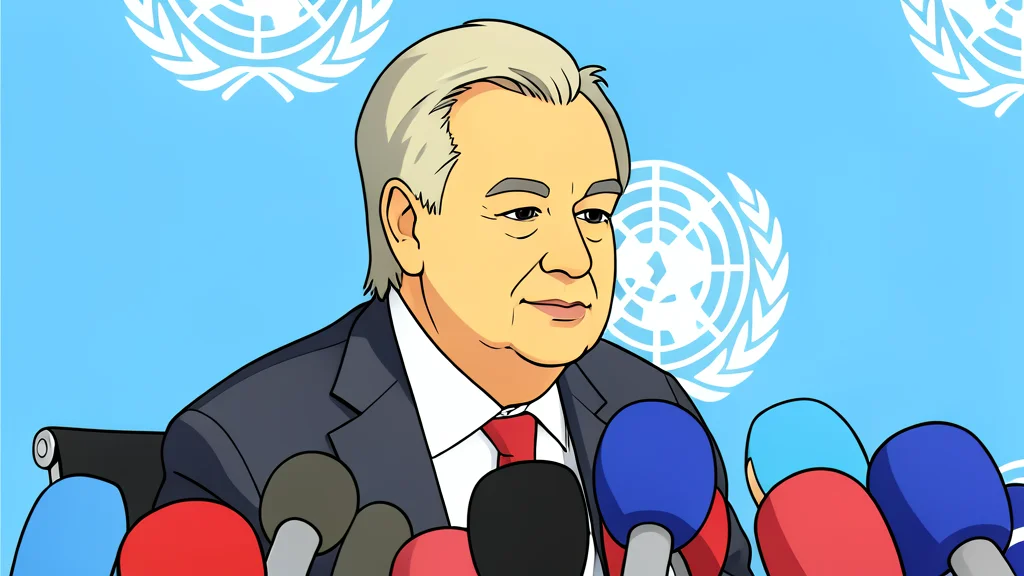
UN chief links revisionism to regional instability during meeting with Bosnian presidency chair in New York.
Key points
- Guterres condemned Mladic glorification as a threat to stability during talks with Bosnia's presidency chair.
- The meeting focused on implementing the 2024 UN Srebrenica Genocide Resolution and combating revisionism.
- EU officials criticized Serbia for honoring Mladic at his funeral, citing incompatibility with EU values.
UN Secretary-General Antonio Guterres has formally condemned the recent glorification of Ratko Mladic, the convicted Bosnian Serb war criminal, during a high-level meeting in New York. Speaking with Denis Becirovic, chair of Bosnia and Herzegovina's presidency, Guterres characterized such acts as a direct threat to regional reconciliation and stability. The discussion centered on the imperative to uphold international law and combat historical revisionism in the Western Balkans.
According to statements released by the United Nations, the conversation specifically addressed the implementation of the 2024 General Assembly resolution regarding the Srebrenica genocide. Guterres emphasized that the organization maintains an unyielding stance against the denial of genocide and the elevation of war criminals, viewing these trends as violations of fundamental civilisational norms. Becirovic, in turn, highlighted the need for permanent international educational programs to preserve the historical truth established by international courts.
Revisiting the Srebrenica Resolution
The meeting provided a platform to assess progress on the UN General Assembly’s Srebrenica Genocide Resolution, which was adopted in 2024. Balkan Insight reports that both officials agreed that combating historical revisionism is central to maintaining peace in the region. Guterres stated that respecting international legal standards is a prerequisite for long-term stability, while Becirovic stressed the importance of protecting the historical record from distortion.
Becirovic also used the opportunity to invite the Secretary-General to visit Sarajevo and the Srebrenica Memorial Centre. He argued that establishing sustained outreach and educational initiatives is essential to prevent future attempts to rewrite history. These measures are intended to safeguard the legal and moral conclusions reached by international tribunals regarding the events of 1995.
Political Fallout from Funeral
The diplomatic friction follows the funeral of Ratko Mladic in Belgrade on September 7, which was marked by military honours and attended by senior officials from Serbia and Republika Srpska. EU officials have sharply criticized the Serbian government, an EU membership candidate, for these actions, stating that glorifying a war criminal is incompatible with the values and standards required for accession to the European Union.
This controversy underscores the ongoing tension between regional political narratives and international legal consensus. While domestic actors may view such ceremonies as patriotic, international partners view them as obstacles to the integration and normalization processes in the Western Balkans. The UN’s public stance serves as a reminder that historical accountability remains a key pillar of its engagement in the region.
Path Forward for Reconciliation
Looking ahead, the focus shifts to how these diplomatic statements translate into concrete policy changes. Observers will watch whether EU candidate countries adjust their domestic rhetoric to align with international expectations. Additionally, the development of the proposed educational programs will be a key indicator of the region's commitment to addressing its past. The coming months will test the resilience of regional stability in the face of competing historical narratives.