Humanitarian Standoff in Occupied Oleshky
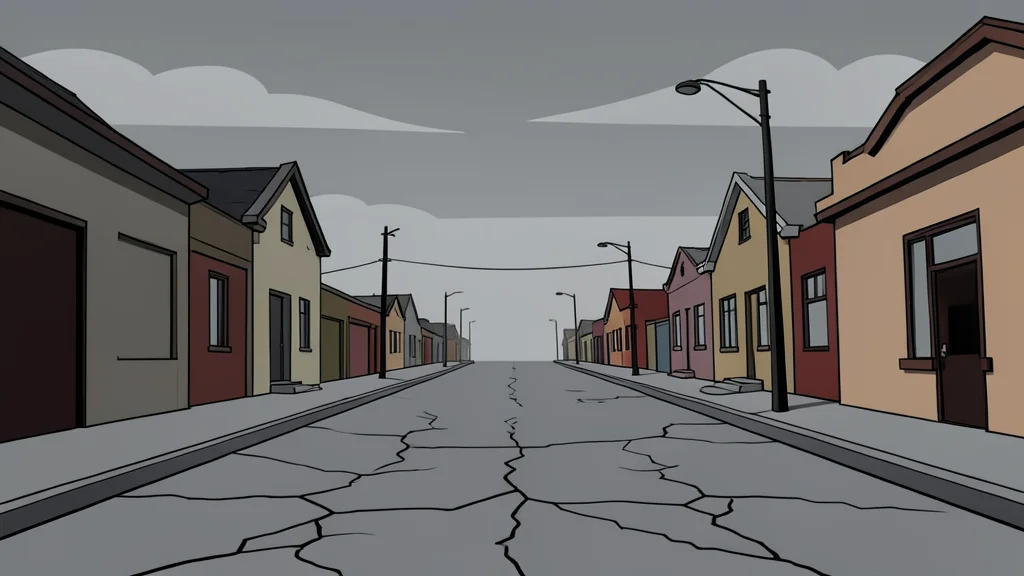
Resident accounts describe a town cut off from supplies and medical care, prompting urgent calls for international intervention to prevent further loss of life.
Residents of Oleshky, a town in the occupied Kherson Oblast, are facing severe deprivation as access to food and medical supplies remains blocked. According to reports from the Kyiv Independent, approximately 6,000 people, including 200 children, are currently enduring conditions described as a humanitarian catastrophe. The isolation of the area has created a critical environment where basic survival needs are unmet, with the last recorded food delivery occurring on May 26.
Ukrainian officials and humanitarian organizations have expressed concern over the rapidly deteriorating situation. Dmytro Lubinets, Ukraine’s human rights ombudsman, stated that the area has become a dangerous zone for civilians. He noted that while preparations were made to assist the most vulnerable residents, the necessary consent from the occupying authorities has not been granted, leaving the population in a state of prolonged uncertainty and risk.
Obstacles to Humanitarian Access
The primary barrier to relief efforts is the lack of agreement from Russian authorities to allow aid convoys or evacuation missions to proceed. The International Committee of the Red Cross and Ukrainian officials indicated that they were ready to facilitate a ceasefire and launch rescue operations for those in immediate danger. However, without Moscow's cooperation, these plans remain stalled, leaving the local population dependent on limited and increasingly scarce resources.
Historical Parallels and Current Reality
Observers have drawn comparisons between the current crisis and historical instances of man-made famine, citing the silence that often accompanies such events. While the scale of the current situation differs from past tragedies, the fundamental issue of civilians being denied essential sustenance due to political and military calculations remains a central concern. The ability of residents to communicate their plight through modern technology has provided a louder voice than in previous decades, yet the physical isolation of the town persists.
The debate now centers on the responsibility of international actors to intervene. Critics argue that diplomatic leverage and direct pressure are necessary to compel the occupying force to comply with international humanitarian law. The situation highlights the ongoing challenge of applying global norms in conflict zones where the consent of one party is withheld, raising questions about the effectiveness of current diplomatic frameworks in preventing civilian suffering.
Diplomatic Pressure and Future Actions
The United States, as a key broker in ongoing peace discussions, faces scrutiny over its approach to this specific crisis. Analysts suggest that direct engagement with Russian leadership is crucial to demanding an end to the blockade. The outcome of this standoff will likely depend on the willingness of major powers to prioritize humanitarian access over other strategic considerations, with the immediate safety of Oleshky's residents at stake.