Kosovo Clears Deadlock with New Cabinet Approval
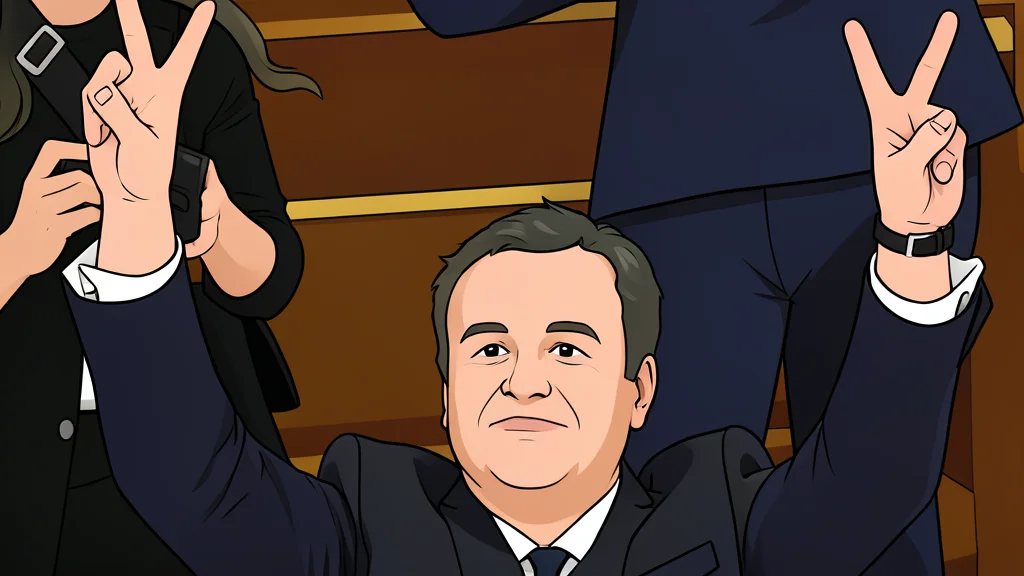
Kosovo’s parliament has finally approved a new government, ending months of paralysis, but the nation faces an immediate constitutional challenge over the selection of a head of state.
Kosovo’s legislature has broken a three-month political impasse by approving a new cabinet led by acting Prime Minister Albin Kurti. According to Parliamentary Speaker Albulena Haxhiu, the government secured the support of 62 members out of the 120-seat assembly on Sunday. This move restores basic executive functionality after a prolonged period of legislative gridlock that had stalled key national initiatives.
However, the approval offers only a temporary reprieve rather than a permanent solution. The country now confronts a critical constitutional hurdle regarding the election of a president. As reported by GN geopolitics/politics (en-US), the political landscape remains fragile, with the new government’s stability contingent on resolving this high-stakes standoff before further electoral disruptions occur.
Constitutional hurdles for head of state
The core of the ongoing crisis lies in the requirement for a two-thirds majority to elect a president, a threshold Kurti’s Vetevendosje party cannot meet independently. Despite leading his party to victory in three legislative elections since early 2025, including two recent snap polls, Kurti has struggled to secure the necessary coalition support. This structural difficulty has created a recurring cycle of instability, with the threat of a fourth snap election looming if the presidential vote fails to materialize.
Efforts to bridge this gap have recently fractured. In late August, Kurti reached an agreement with the opposition Democratic League of Kosovo to support law professor Bekim Sejdiu for the presidency. However, the deal collapsed almost immediately when six lawmakers from that party stated they would not honor their leader’s decision. This internal division within the opposition highlights the deepening polarization that continues to obstruct governance.
Diplomatic tensions and economic fallout
The domestic deadlock is inextricably linked to Kosovo’s external relations, particularly regarding its hardline stance toward Serbia. According to various diplomatic sources, Kurti’s unilateral measures in the Serb-dominated north have strained relationships with traditional Western backers. The United States and the European Union have repeatedly urged de-escalation following deadly clashes between Kosovar police and armed groups, warning that the current trajectory risks isolating the country further.
Beyond diplomatic complications, the prolonged political paralysis has had tangible economic consequences. Legislative reforms necessary for European Union integration have been stalled, directly threatening Kosovo’s access to pre-accession funds. This financial uncertainty adds another layer of pressure on the new government to demonstrate stability and effectiveness in its early days.
Uncertain path forward for coalition
Looking ahead, the timing of the presidential vote remains unclear, creating a vacuum of uncertainty that could persist for months. Analysts suggest that the new government will face an immediate test of its ability to manage both domestic opposition and external diplomatic pressures. The forward question for observers is whether the cabinet can navigate these competing demands without triggering another electoral crisis, potentially setting the stage for further instability in the region.