India and China Prioritize Border Stability Amid Trade Tensions

New bilateral engagements between New Delhi and Beijing are centering on de-escalating border tensions while navigating complex trade dynamics, even as broader multilateral frameworks seek to reshape global economic rules.
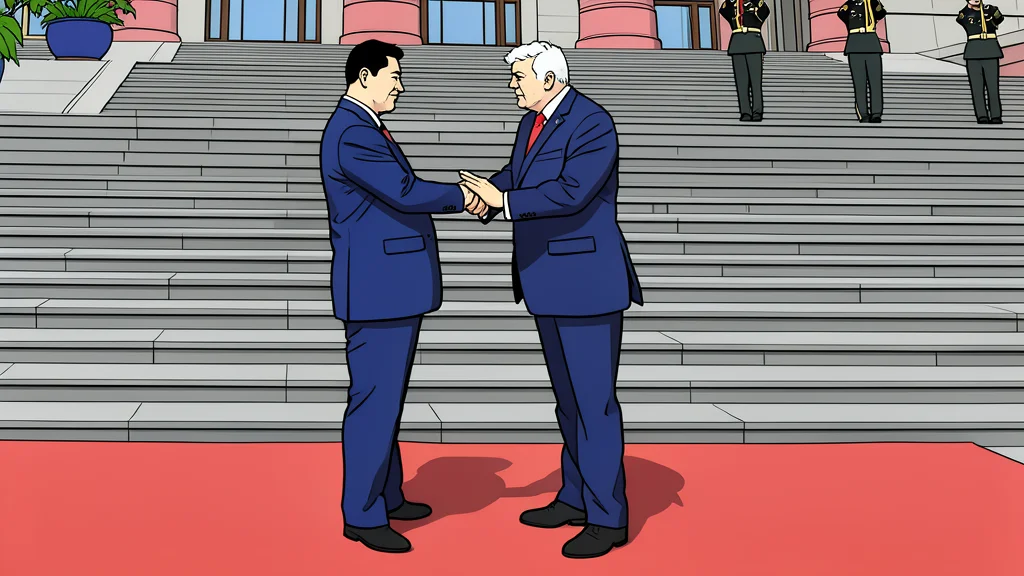
Diplomatic channels between India and China are currently focused on stabilizing the border situation and managing trade relations, according to recent reports. These discussions occur against a backdrop of heightened strategic competition, where both nations seek to mitigate risks of miscalculation while maintaining their respective geopolitical interests.
The tone of these interactions suggests a shift toward managing friction rather than seeking a comprehensive breakthrough. Officials from both sides are reportedly emphasizing the importance of maintaining communication lines to prevent localized incidents from escalating into broader conflicts, prioritizing stability over immediate economic concessions.
Multilateral Frameworks Shape Bilateral Dynamics
Parallel to these bilateral efforts, the broader context of global governance is influencing diplomatic calculations. The recent BRICS summit in New Delhi resulted in the adoption of a declaration that emphasizes conflict prevention and adherence to international law. According to GN geopolitics/border, this multilateral stance reinforces the importance of peaceful dispute resolution, a principle that resonates in the India-China discourse.
The summit’s focus on opposing unilateral tariff barriers and urging adherence to World Trade Organization rules reflects a shared concern among emerging economies regarding trade protectionism. While no single currency was introduced, the emphasis on easing cross-border payments using local currencies signals a move toward reducing dependence on traditional financial systems, which may indirectly affect India-China commercial ties.
Trade Tensions And Economic Realities
Trade relations remain a complex aspect of the bilateral relationship, characterized by both interdependence and distrust. India has sought to rebalance its trade deficit with China, while Beijing maintains its position as a critical supplier of goods and technology. The recent emphasis on non-tariff measures and WTO compliance suggests that economic friction is likely to persist, requiring careful diplomatic management.
Analysts note that economic decoupling is unlikely in the near term, given the depth of supply chain integration. However, the political imperative to support domestic industries and reduce strategic vulnerabilities continues to drive policy decisions in New Delhi. This tension creates a delicate balance where trade discussions must proceed without undermining broader strategic objectives.
Forward Looking Diplomatic Priorities
Looking ahead, the focus will remain on maintaining border peace and preventing any escalation that could disrupt regional stability. The willingness of both sides to engage in dialogue, even amidst disagreements, indicates a recognition of the high costs of conflict. Observers will watch for signals of continued engagement and whether economic discussions can gain momentum despite political headwinds.
The broader implications of these interactions extend beyond the bilateral relationship, influencing the trajectory of multilateralism and global trade rules. As nations seek to reform international institutions and enhance their own strategic autonomy, the India-China dynamic remains a critical variable in shaping the future of global order. The next phase of diplomacy will likely test the durability of these cautious approaches.