BRICS Summit Outcomes and Regional Security Dynamics
Recent diplomatic engagements reveal shifting alliances and strategic divergences regarding terrorism and regional stability.
The conclusions of the recent BRICS summit have drawn significant attention for their explicit language on counter-terrorism. According to GN geopolitics/border, the joint declaration included a specific condemnation of the April 2025 Pahalgam attack, marking a notable shift in multilateral discourse. This development underscores India's sustained diplomatic effort to secure international recognition for its position on global security threats.
Despite the unified front presented in the summit documents, analysts suggest that underlying strategic divergences remain. The consensus on zero tolerance for terrorism contrasts with the complex diplomatic maneuvers observed in bilateral channels, particularly involving China and Pakistan. This tension highlights the gap between declaratory multilateral commitments and the pragmatic realities of national interest.
Divergent Approaches to Global Counter-Terrorism
India has long advocated for the adoption of the UN Comprehensive Convention on International Terrorism, seeking a binding legal framework for member states. However, consistent obstruction from Beijing has hindered progress, particularly regarding the listing of specific terrorist groups under UN sanction regimes. Experts note that China’s stance is driven primarily by perceived national interests rather than adherence to multilateral security norms.
This dynamic complicates the broader cooperation within the BRICS framework. While the summit declaration serves as a diplomatic victory for New Delhi, it does not necessarily translate into operational changes in how major powers handle cross-border terrorism. The gap between rhetoric and action remains a critical area of observation for international security analysts.
Bilateral Engagements and Border Tensions
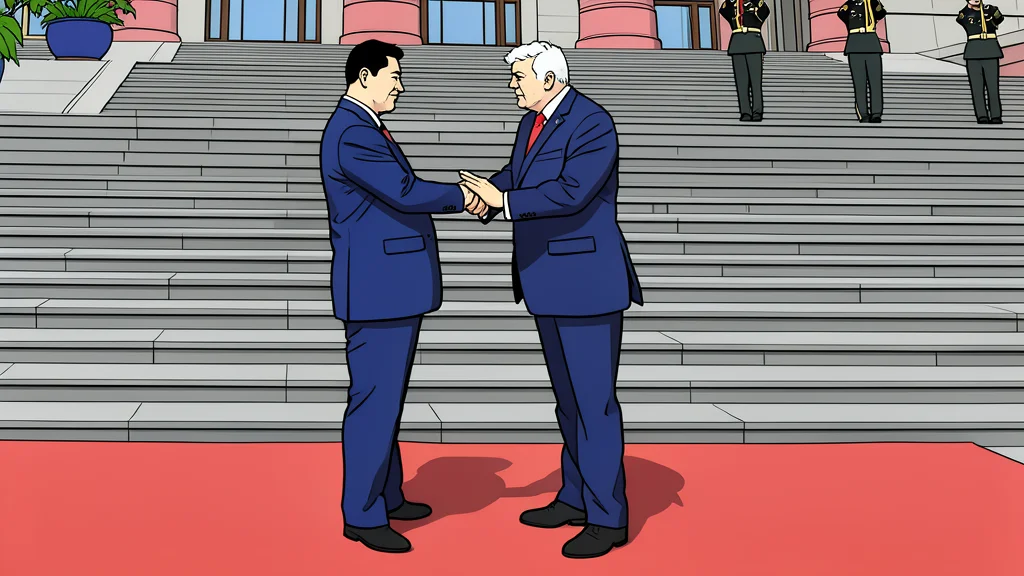
Parallel to the multilateral discussions, high-level bilateral meetings between Prime Minister Narendra Modi and President Xi Jinping have taken place. These engagements occur against the backdrop of ongoing disputes along the Line of Actual Control (LAC). The diplomatic channel remains active, yet the strategic posture on the ground continues to reflect deep-seated territorial disagreements.
China’s diplomatic positioning also extends to the West Asia crisis, where it navigates complex ties with Iran amidst regional instability. As Beijing prepares for talks in Washington, it faces a landscape shaped by US economic sanctions and retaliatory critical mineral supply policies. The interplay of these factors suggests a period of heightened strategic competition.
Forward-Looking Strategic Considerations
The coming months will likely test the durability of the summit’s declarations. Key indicators to watch include whether China adjusts its stance on UN terrorism listings and how bilateral border talks progress. The evolving security conflicts in the Gulf region and the impact of US-China trade measures will further shape the geopolitical landscape.