Lib Dem Leader Links Small Boat Crossings to Brexit
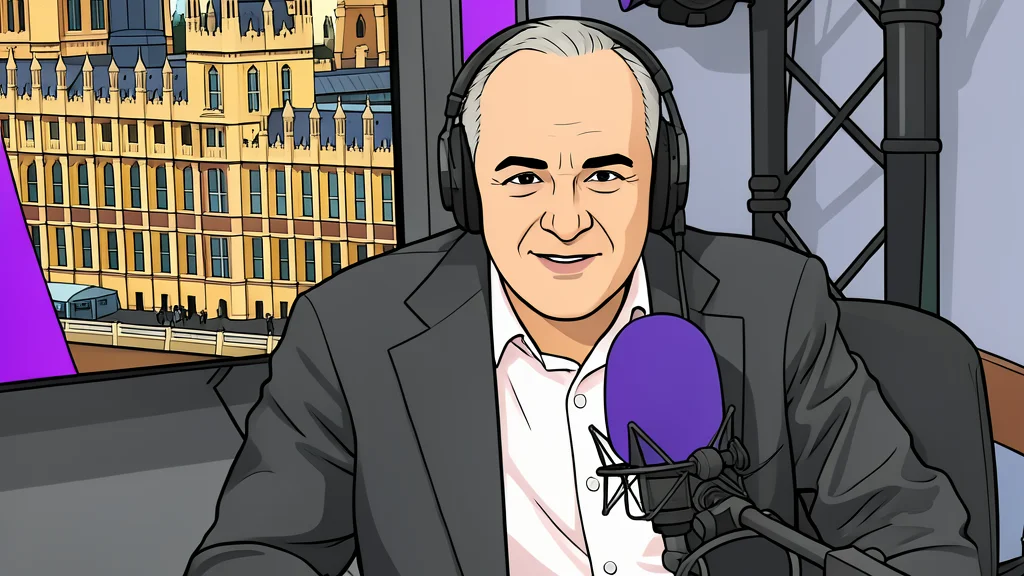
Sir Ed Davey argues that leaving the EU disrupted migration controls, urging the UK to rejoin the EU asylum pact while defending the current pension guarantee.
Liberal Democrat leader Sir Ed Davey has attributed the persistent issue of small boat crossings in the English Channel to the United Kingdom's departure from the European Union. Speaking ahead of his party’s annual conference, Davey stated that the problem did not exist before Brexit and accused both the Conservative Party and Reform UK of exploiting the situation for political gain. According to GN geopolitics/migration (en-US), this assessment forms a central part of his recent media engagements.
Davey is calling on the current government to open negotiations with the European Commission to join the EU’s pact on migration and asylum. He described the scheme as an effective deterrent, noting that it would allow migrants to be returned to the EU state from which they traveled, a mechanism that was permissible before the UK left the bloc. He emphasized that the Liberal Democrats are offering what he considers a tough and practical solution to the ongoing arrivals.
Push for EU reintegration on asylum
The proposal hinges on the belief that international cooperation is the most viable path to reducing crossings. Davey argued that when a system works, the UK should participate in it. He noted that while the current Labour government has seen a 44% drop in small boat arrivals and an 8% increase in deportations, he believes these figures are insufficient. His stance contrasts with parties that advocate for more unilateral measures, positioning the Lib Dems as proponents of multilateral frameworks.
Defending the triple lock pension
Amidst growing pressure on public finances and calls from some quarters to rethink pension guarantees, Davey reaffirmed his party’s commitment to the triple lock. The mechanism, introduced in 2011, ensures that state pensions rise by the highest of average wage growth, inflation, or 2.5%. Davey argued that the policy has been crucial in reducing pensioner poverty and remains sustainable. He maintained that protecting retirees does not preclude supporting employment initiatives for younger demographics.
This position places the Liberal Democrats in alignment with other major parties currently backing the triple lock, despite debates over the strain on the national budget. Davey suggested that the goal should be to address cost-of-living issues without dismantling the safety net for older citizens. He framed the issue as one of balancing immediate economic pressures with long-term social stability.
Calls for caps on political donations
During interviews with BBC local radio stations, Davey also addressed the issue of large financial contributions to political parties. He advocated for a cap on donations, a stance he has held for much of his political career. Davey noted that during the coalition government, attempts to implement such caps were blocked by a combination of Labour and Conservative opposition. He defended his party’s previous acceptance of large donations by pointing out that other parties were receiving even larger sums under the existing rules.
The recent record-breaking donations received by Reform UK have intensified scrutiny of party funding sources. Davey stated that while his party has played by the current rules, he seeks to change those rules to limit the influence of 'big money' in politics. He emphasized the need for a level playing field where financial size does not dictate political influence, urging for a regulatory overhaul that reflects broader democratic values.