US Approves Massive Bomb Sale to Israel
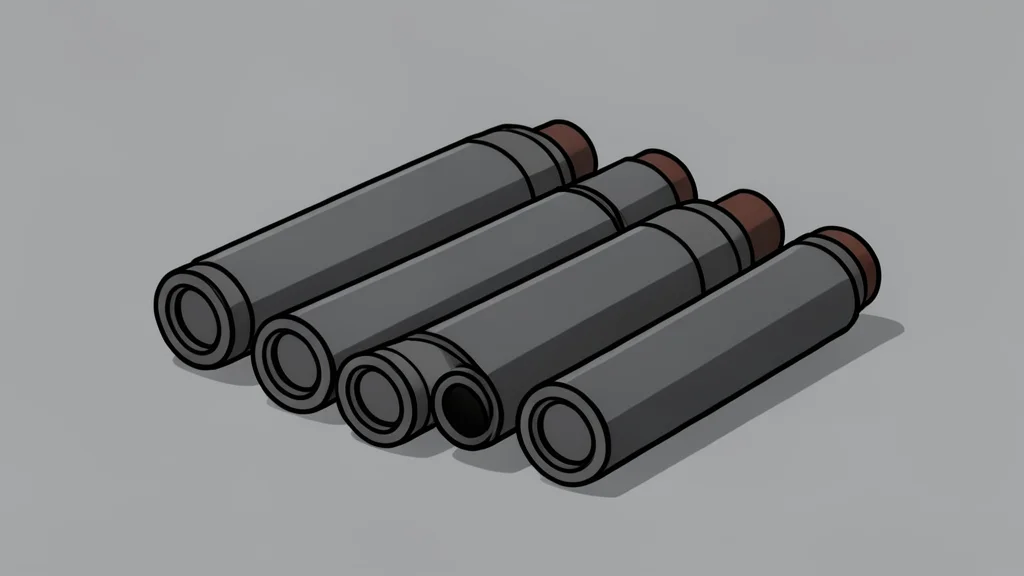
The Trump administration is preparing to authorize the sale of 60,000 heavy munitions to Israel, a move that signals a significant escalation in support amidst ongoing regional conflicts.
According to reports from Al Jazeera English, the United States is set to approve a multibillion-dollar sale of 60,000 heavy bombs to Israel. The package, which includes some of the most destructive munitions in Western arsenals, marks a notable shift in Washington’s defense posture toward its ally. This approval comes at a time when American munitions stockpiles have been strained by concurrent military engagements in the Middle East and Eastern Europe.
The proposed transfer is valued at approximately $2.8 billion, with the majority of the cost covered by the Foreign Military Financing scheme. Under this mechanism, U.S. taxpayers effectively fund the purchase of American-made weapons for Israel. The decision stands in contrast to previous administrations, which had paused similar deliveries due to international concerns regarding civilian casualties in conflict zones.
Specific Munitions in the Package
The sale is reported to include three distinct types of 2,000-pound class warheads. These comprise 20,000 MK-84 general-purpose bombs, designed for maximum blast and fragmentation against structures. Additionally, the package includes 20,000 BLU-117 bombs, which share similar physical characteristics but feature different explosive fillers and can be fitted with precision-guidance kits. The third category consists of 20,000 I-2000 Penetrator bombs, often referred to as bunker busters, engineered with thicker casings to penetrate hardened targets before detonating.
While the Trump administration has not officially confirmed the details, senior officials have indicated that all foreign arms sales are proceeding through standard procedures. A State Department spokesperson noted that the department does not comment on proposed sales until they are formally notified to Congress. However, informal notifications have reportedly already been sent, suggesting the process is well advanced.
Context of Regional Conflicts
This authorization occurs against a backdrop of sustained military operations in Gaza and southern Lebanon. Al Jazeera English describes the current situation as a genocidal war in Gaza and an occupation of parts of Lebanon, resulting in significant displacement and loss of life. The timing of this sale raises questions about the strategic intent behind supplying such heavy ordnance during active hostilities.
Historical precedents show that Israel has utilized 2,000-pound class bombs for decades, including in strikes against infrastructure in Iraq and during operations in Palestinian territories. The current package represents one of the largest transfers of heavy munitions in recent years, following a previous $6.67 billion arms deal approved earlier this year. The cumulative effect of these sales significantly enhances Israel’s capacity for high-impact aerial bombardment.
Implications for US Stockpiles
The sale also highlights the broader challenge of managing U.S. defense inventories. American munitions stocks have been depleted due to increased usage in the war against Iran and the ongoing conflict in Ukraine. By diverting significant quantities of heavy bombs to Israel, the U.S. may face constraints in its own readiness for potential future contingencies. This interplay between support for allies and domestic defense needs remains a critical consideration for policymakers.
Looking ahead, the formal notification to Congress will serve as the next key milestone in this process. Observers will watch closely for any legislative debate or oversight actions that may accompany the final approval. The outcome could influence broader diplomatic dynamics and the strategic balance in the region, with potential repercussions for international relations and regional stability.