Moscow Balances Diplomatic Engagement with Escalating Pressure
Western intelligence assesses that Russia is pursuing a dual-track strategy, combining active diplomatic channels with sustained efforts to destabilize European security architectures.
More than four years into the full-scale war in Ukraine, Moscow is transmitting contradictory signals to Western capitals. While Russian officials maintain contact with American envoys and discuss serious talks toward a lasting peace, Western intelligence agencies describe a parallel track in which the Kremlin actively works to fracture NATO and the EU from within.
The prevailing assessment among analysts is that neither a desire for all-out war nor a genuine pursuit of peace accurately captures Moscow's intent. Instead, the evidence points to a strategy of calibrated pressure, designed to remain below the threshold that would trigger a direct NATO-Russia conflict while systematically weakening Western unity through other means.
Intelligence Reports Cite Deliberate Destabilization
Reporting by major international outlets indicates that Russian leadership has instructed intelligence agencies to prioritize the destabilization of Euro-Atlantic institutions. According to reports cited by the New York Times, Vladimir Putin directed efforts in late 2025 to fracture the alliance and the EU during 2026, with Moldova identified as a central target. This strategic focus aligns with Western officials who rank control of Moldova as Moscow's second priority after Ukraine.
Recent incidents support this assessment, including a Russian strike near the Moldovan border that contaminated water supplies and a drone attack on power infrastructure. Additionally, U.S. intelligence agencies believe Russia may test NATO's collective defense commitment by attacking a member state between late 2026 and 2029. Germany's top military commander has noted that Russia is systematically using drones to probe European air defenses for exploitable weaknesses.
Military Activity Intensifies Along Periphery
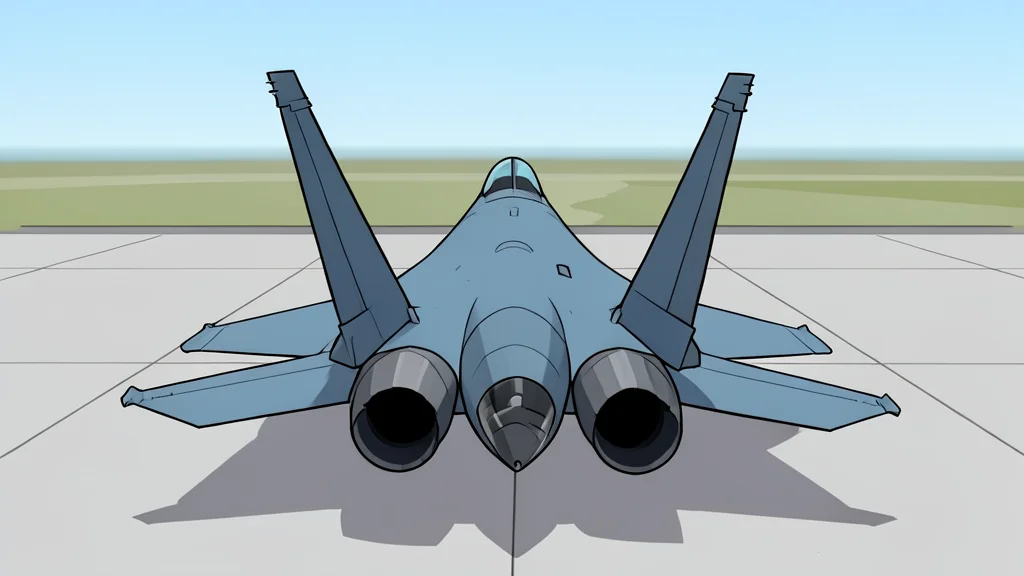
NATO fighter aircraft flew nearly three times as many intercept missions in 2025 as in 2023, reflecting a surge in Russian military activity along the alliance's borders. Moscow's Zapad-2025 exercises, which involved over 100,000 troops and nuclear-capable systems, were widely interpreted as a demonstration of Russia's ability to sustain pressure on NATO's eastern flank. Germany has publicly attributed a series of sabotage incidents to Russia and responded by closing Russian diplomatic facilities.
Diplomatic Channels Remain Active
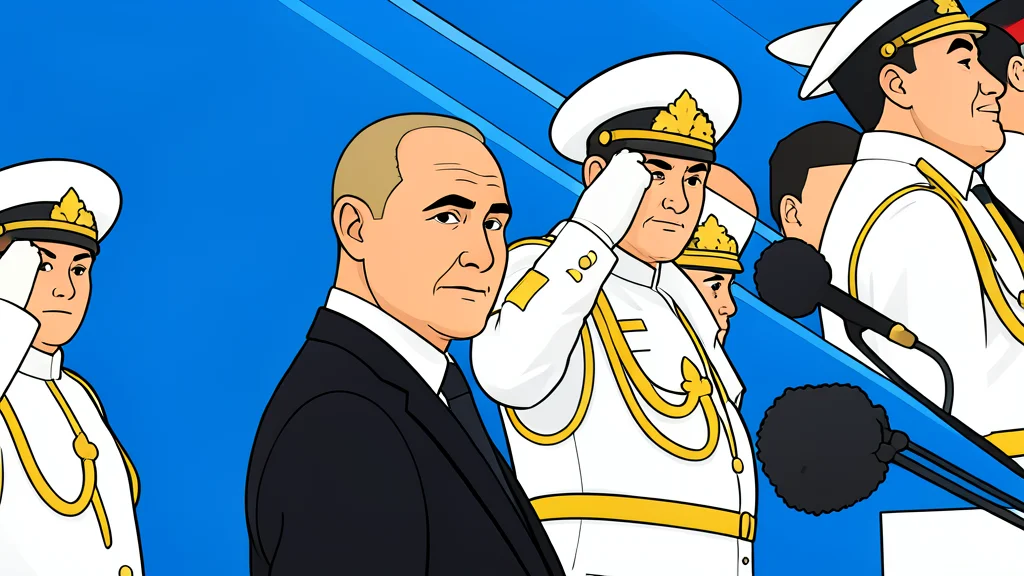
Despite the hostile posture, a diplomatic track persists. Russian and U.S. officials have maintained sustained contact throughout 2026, including formal talks in Abu Dhabi covering force disengagement and ceasefire monitoring. In early September, U.S. envoys held a meeting with Putin that his advisers described as constructive. Analysts note that while public openness to peace remains, these negotiations are often shadowed by ongoing military preparations.
According to GN geopolitics/nato, the situation remains fluid, with Moscow balancing the need for leverage in negotiations against the risks of direct confrontation. The forward question for European security remains how long this dual-track approach can be sustained before one path overtakes the other, a dynamic that continues to shape defense planning across the continent.