NATO Shifts from Air Policing to Integrated Defense
NATO is restructuring its air defense strategy, moving beyond reactive interception toward a comprehensive, low-cost integrated system.
The recent downing of a Russian drone over Lithuanian airspace has highlighted a critical shift in NATO’s defensive posture. While such incidents have occurred previously, the alliance is now formally moving away from traditional air policing toward a more robust integrated air and missile defense framework. This transition reflects a broader strategic realignment in response to evolving threats from low-cost, high-volume aerial attacks.
According to reporting by GN geopolitics/nato, Lieutenant General Jason T. Hinds, commander of US Air Forces in Europe and NATO’s Allied Air Command, articulated this change during a recent conference. He emphasized that relying on expensive crewed fighter jets to intercept inexpensive drones is economically unsustainable. The new approach, known as Standing Defense Plan 12000, aims to replace reactive measures with a proactive, cost-effective defense network.
Economic Unsustainability of Current Tactics
The primary driver for this strategic pivot is the stark economic imbalance in modern aerial engagements. Hinds noted that intercepting a one-way attack drone, which may cost only tens of thousands of dollars, often requires launching air-to-air missiles worth several hundred thousand. Furthermore, the fighter aircraft carrying these missiles represents a multi-million dollar asset that requires highly trained pilots. Even when every engagement is won, the financial exchange rate remains unfavorable for the defending side.
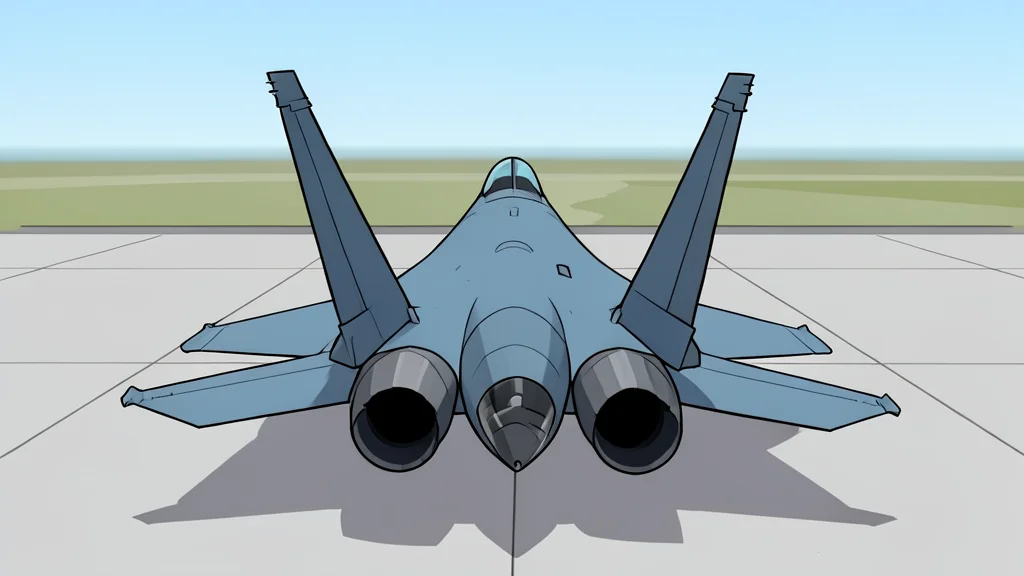
To address this, the alliance is pursuing lower-cost interceptor options. This includes ground-based systems and air-based alternatives that are cheaper to deploy. European nations are already experimenting with these solutions, such as integrating laser-guided rockets into existing fighter jets. These modifications aim to provide a more affordable means of neutralizing threats without incurring the prohibitive costs of traditional missile engagements.
From Reactive Policing to Active Defense
The conceptual shift involves redefining the purpose of NATO’s air assets. Historically, air policing was an assurance mission focused on identifying and escorting away unidentified aircraft. This method, while reassuring to member states, often degraded operational readiness. In contrast, the new air defense posture is positional and aggressive. Assets are now positioned based on intelligence to detect, attribute, and destroy threats before they reach NATO territory.
This change requires a complex chain of operations: detection, attribution, decision-making, and engagement. Each step presents distinct challenges, particularly in fusing intelligence quickly and delegating authority across thirty-two nations. The goal is to create a seamless command and control structure that can respond in minutes, ensuring that the right weapon is used against the right target at the right time.
Forward-Looking Strategic Implications
As NATO implements Standing Defense Plan 12000, the alliance is moving toward a more integrated and efficient defense architecture. The focus is on building a system that can sustain prolonged engagements against low-cost threats without depleting critical resources. This transition marks a significant departure from past practices and signals a long-term commitment to adapting to modern warfare dynamics.
Observers will closely watch the next steps in this evolution, particularly the integration of new interceptor technologies and the refinement of command protocols. The success of this strategy will depend on the alliance’s ability to coordinate effectively and maintain economic viability in the face of persistent aerial threats. The coming months will provide crucial insights into the effectiveness of these new defensive measures.