NATO Intercepts Drone in Lithuania Amid Rising Tensions
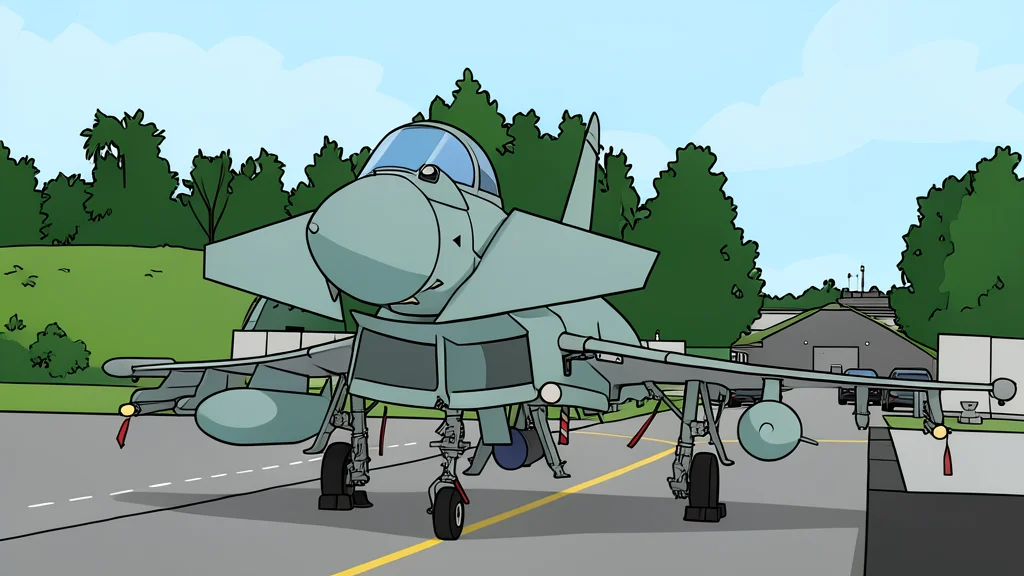
A potentially armed drone was downed by an Italian fighter jet over Lithuanian farmland, marking the latest in a series of incidents that are straining relations between Moscow and the alliance.
An Italian Air Force jet shot down a drone in Lithuanian airspace on Tuesday, ending a thirty-minute tracking operation that unfolded near residential areas. The incident, which occurred roughly sixty miles west of Vilnius, represents the most recent escalation in a pattern of aerial incursions and covert activities across NATO’s eastern flank. While authorities have not yet determined the specific origin of the craft, officials indicate it likely carried explosives and entered the zone from Belarus.
Lithuanian security officials are carefully weighing the evidence, noting that while previous incidents have sometimes been attributed to straying civilian or military drones, the current situation may reflect deliberate provocation. According to reporting by GN geopolitics/nato, the defense minister emphasized that without forcing a diplomatic resolution to the war in Ukraine, such confrontations in the Baltic region may become a regular occurrence rather than an anomaly.
Uncertainty Over Drone Origin
Investigations into the downed aircraft are ongoing, with Lithuanian authorities refusing to rule out any version of the event. Laurynas Kasciunas, a member of the National Security and Defense Committee, stated that it remains unclear whether the drone was a diverted craft that lost its way or a targeted act of aggression. This ambiguity complicates the diplomatic response, as the alliance must balance the need for a robust defensive posture against the risk of misinterpreting a technical error as a state-sponsored attack.
The location of the interception is strategically significant, as Lithuania borders both Belarus and the Russian exclave of Kaliningrad. This geographic positioning places the country directly on the front line of NATO’s eastern defense. The inability to immediately confirm the drone’s nationality or intent leaves a gap in the intelligence picture that defense analysts are watching closely.
Pattern of Regional Incursions
The Lithuanian incident is not an isolated event but part of a broader series of tensions across Northern Europe. In recent weeks, fighter jets in Estonia and Latvia have intercepted similar aerial threats, some of which were suspected to be Ukrainian drones that strayed off course. However, officials in multiple NATO nations have increasingly accused Moscow of conducting sabotage, surveillance, and planned attacks, including allegations of a drone carrying explosives aimed at a German airport.
Tensions have also surfaced in the Baltic Sea, where Danish officials reported that a Russian warship fired flares near a Danish military helicopter. While Moscow’s ambassador to Denmark claimed the aircraft was at fault for dangerous maneuvers, European leaders view these actions as calculated risks. Kaja Kallas, the EU’s high representative for foreign affairs, characterized the recent wave of incidents as reckless and deliberate, arguing that Putin’s actions require Europe to impose a higher cost.
Escalating Diplomatic Pressure
Retired U.S. Ambassador to NATO Doug Lute noted that the alliance is currently confronting Russia both overtly and covertly while Moscow continues its campaign in Ukraine. The frequency of these incidents suggests a shift in Moscow’s risk calculus, testing the boundaries of NATO’s collective defense commitments. As the alliance polices its skies with heightened vigilance, the diplomatic channel remains the primary tool for de-escalation, though its effectiveness is increasingly questioned by European policymakers.
The coming days will likely see increased scrutiny of air traffic in the Baltic region as NATO members reinforce their monitoring capabilities. The key question for observers is whether these incidents will lead to a formalized response from the alliance or if they will remain contained within the realm of defensive countermeasures. The stability of the region now hinges on the ability of both sides to avoid miscalculation in this volatile environment.