NATO Intercepts Drone over Lithuania Amid Rising Tensions
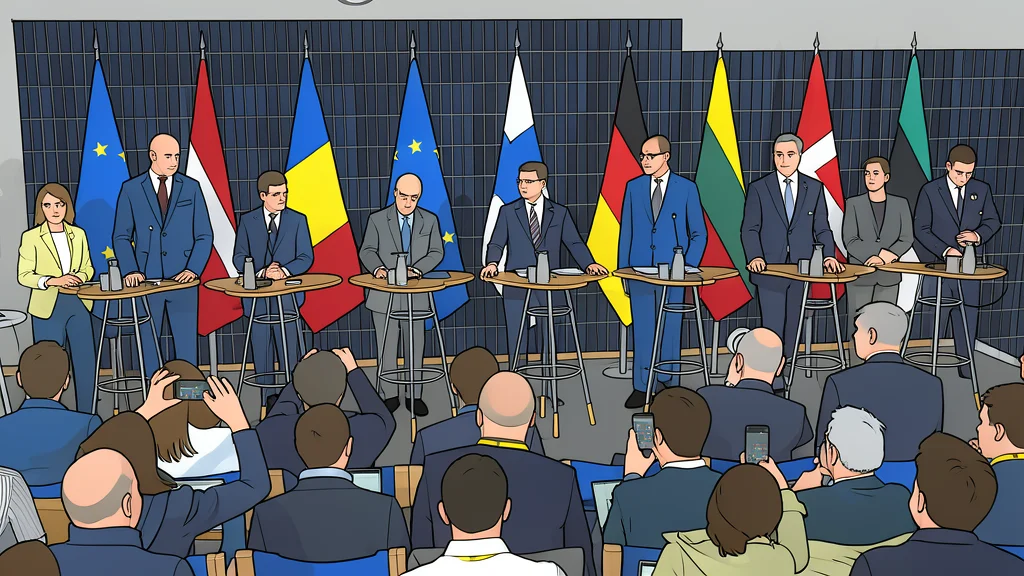
European leaders assert that recent airspace violations signal a deliberate escalation by Moscow, prompting a unified defense response despite divergent transatlantic positions.
NATO fighter jets intercepted and downed an unidentified drone that breached Lithuanian airspace early Tuesday morning. According to Lithuanian military officials, the craft likely entered from Belarus and may have carried explosives. While local authorities withheld immediate details on its origin, European officials quickly attributed the incident to Russia, framing it as part of a broader pattern of hybrid aggression targeting the alliance’s eastern flank.
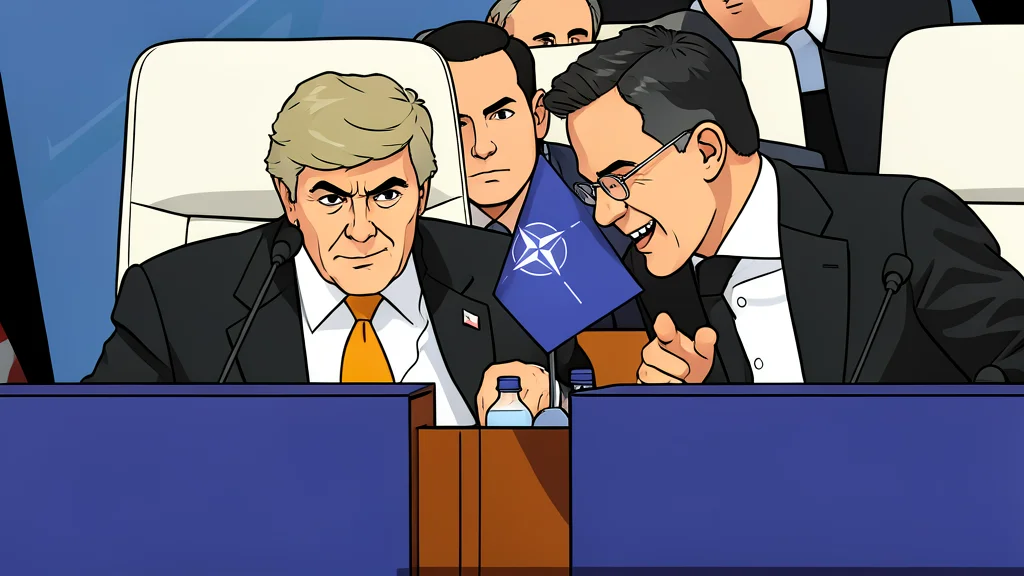
The incident arrives on the heels of a Sunday attack on a civilian train near the Polish border, which narrowly missed a separate diplomatic convoy carrying former leaders from Britain and Sweden. The proximity of these events to NATO territory has intensified fears that Moscow is testing the alliance’s resolve. NATO Secretary General Mark Rutte described the actions as evidence of desperation aimed at sowing terror, while European Commission President Ursula von der Leyen pledged that Europe’s determination would only strengthen in response.
Escalating Hybrid Pressure Across the Baltic
The Lithuanian interception is not an isolated event. In recent weeks, Denmark accused a Russian warship of firing flares at a Danish helicopter in the Baltic Sea. Although Moscow blamed the Danish aircraft for dangerous maneuvers, Copenhagen dismissed these claims and summoned the Russian ambassador. This accumulation of incidents has led EU foreign policy chief Kaja Kallas to argue that the Kremlin must face higher costs for its risky behavior, emphasizing that Europe will not be cowed by such provocations.
Context from GN geopolitics/nato notes that these tensions are unfolding against a backdrop of sustained accusations that both Moscow and Kyiv have caused stray projectiles to cross into NATO member states, including Poland, Germany, and the Baltic states. However, the intensity of the current allegations against Russia has heightened significantly, driven by the strategic location of the recent incidents and their direct implication for alliance security.
Transatlantic Divergence on Strategic Priorities
While European officials rally around a unified front, U.S. President Donald Trump has offered a contrasting perspective. Rather than condemning the incursions into NATO airspace, Trump has urged Ukrainian President Volodymyr Zelensky to halt strikes on Russian diesel facilities, arguing that the resulting fuel shortages are harming global interests. This divergence highlights a potential rift in transatlantic strategy, with Washington focusing on economic spillover effects while Brussels and Warsaw prioritize immediate security threats.
Watch for Continued Diplomatic Friction
The coming weeks will likely see intensified diplomatic exchanges as NATO seeks to formalize its response to these hybrid attacks. Observers should watch for any further incidents in the Baltic region, as well as the extent to which U.S. and European policies remain aligned. The ability of the alliance to present a cohesive deterrent stance will be the key metric for assessing the stability of the region in the near term.