South Africa Seizes Major Meth Lab Linked to Mexican Cartels
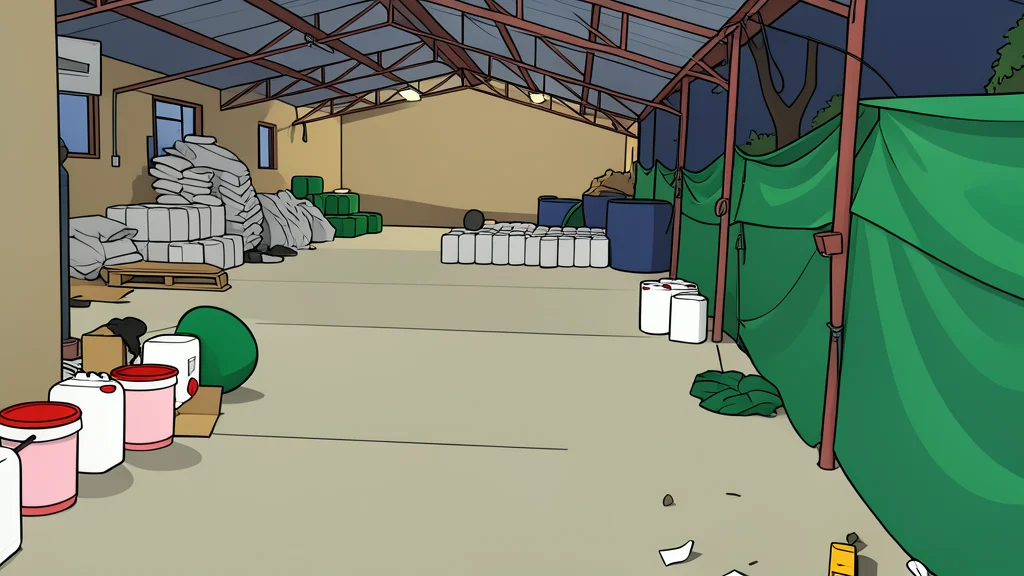
Authorities in Limpopo province have dismantled an industrial-scale crystal methamphetamine facility, a move that underscores the deepening presence of Mexican organized crime networks across the African continent.
South African police arrested five individuals, including two Mexican nationals, at a rural farm in the Limpopo province in late August. The operation, which resulted in the seizure of drugs and manufacturing equipment valued at approximately $37.5 million, marks a significant escalation in regional efforts to combat cross-border narcotics production. The suspects face charges related to the manufacture and possession of illicit substances, with officials describing the site as a sophisticated industrial operation established for the production of dangerous illicit substances destined for distribution.
According to the South African Police Service, the discovery follows a two-month intensive investigation into suspected drug manufacturing activities at the location. The raid was a collaborative effort involving the Hawks, the specialized organized crime unit of the SAPS, along with the Crime Intelligence Bureau and Special Task Force. International partners, including the United States Drug Enforcement Administration and Homeland Security, also contributed to the operation. This bust represents at least the fifth major methamphetamine laboratory seizure involving suspected Mexican cartel members in South Africa since July 2024, indicating a persistent and expanding footprint.
Cartel Strategies Shift to Local Production
Analysts note that major Mexican organizations, including the Sinaloa Cartel and the Jalisco New Generation Cartel, have increasingly moved chemists to Africa to produce methamphetamine locally rather than risking the export of the finished product. This shift over the past five years reflects a strategic adaptation to complex global enforcement pressures. By establishing production hubs on the continent, these groups aim to secure supply chains while reducing vulnerability to interdiction at traditional shipping routes.
The operational model described by observers involves a franchise-like structure where cartels organize production, trafficking, and distribution while delegating local sales to regional criminal gangs. Willem Els, a counterterrorism expert at the Institute for Security Studies, suggests that these networks have successfully compromised state-embedded actors through bribery. He argues that porous borders and corruption within ports of entry facilitate undetected cross-border movements, allowing these groups to maintain operational continuity despite periodic law enforcement actions.
Rising Consumption and Regional Impact
The frequency of recent busts suggests that South Africa has transitioned from being merely a transit hub to becoming one of the world’s largest consumer markets for methamphetamine, locally known as “tik.” Factors contributing to this surge include high youth unemployment rates, gaps in law enforcement, and the drug’s high potency and low cost. This trend is not isolated to South Africa; increased meth use has also been documented in Kenya and Nigeria, where it is linked to violent crimes and social instability in smaller communities.
In Nigeria, authorities recently seized a $363 million worth of chemicals and drugs at an industrial-scale laboratory in Ogun State, further highlighting the scale of cartel operations across the continent. The smuggling of precursor chemicals from China and India via Kenya and South Africa remains a critical vector for this trade. As the market expands, the intersection of organized crime, terrorism financing, and local violence poses a growing challenge for regional security architectures.
Challenges for Regional Security
The involvement of Mexican cartels in South Africa’s cocaine trade prior to their pivot to meth production illustrates the adaptability of these networks. Recent discoveries of cocaine packages with distinct labeling have drawn attention to the overlap between different illicit markets. Experts warn that the financial resources of these organizations allow them to sustain long-term infiltration of judicial and political systems, making eradication a complex, long-term endeavor.
Looking ahead, the focus for investigators will likely remain on tracing the supply chains of precursor chemicals and identifying the financial networks that support these operations. The collaborative model involving US and South African agencies provides a framework for continued intelligence sharing, but the underlying drivers of demand and corruption remain significant hurdles. The coming months will test the resilience of these joint operations against the evolving tactics of transnational criminal groups.