Nato Jet Scramble in Lithuania Overturned by Bird Flock
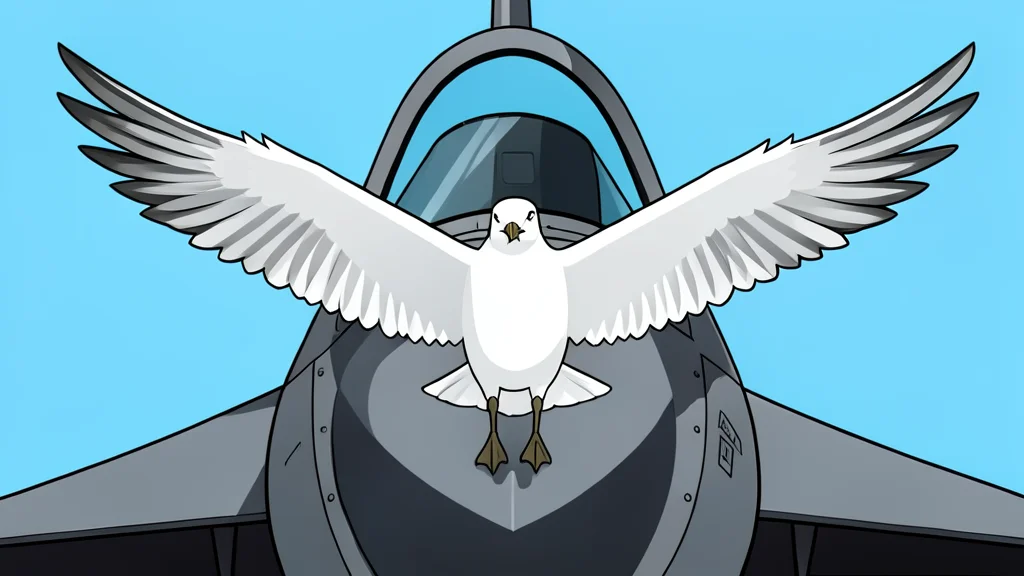
A temporary closure of Vilnius airport following a suspected drone incursion has been attributed to a misidentification of wildlife, highlighting the ongoing tension in Baltic airspace.
A NATO fighter jet was scrambled to intercept a potential drone threat over Lithuania, only for the alert to be cancelled after the object was identified as a flock of birds. The incident briefly disrupted air traffic at Vilnius airport before operations resumed, underscoring the heightened vigilance required in the region.
According to reports from GN geopolitics/nato, the air alert was lifted within 38 minutes once visual confirmation was made. The rapid response involved assets from the Italian Air Force, which is currently stationed in the country as part of the NATO Baltic Air Defence mission. The event serves as a reminder of the challenges faced by defense forces in distinguishing between genuine security threats and natural phenomena.
Rapid Response Protocol Activated
The interception was initiated from Šiauliai in northern Lithuania, where NATO forces maintain a presence to bolster regional air defenses. Upon receiving initial radar readings, command centers ordered a jet to take off for a closer inspection. The National Crisis Management Centre noted that the signatures left by birds and drones can appear similar on radar screens, making immediate visual verification a critical step in the protocol.
Once the pilot established a clear line of sight, the threat was neutralized without the use of force. The airport, which had been closed to ensure safety during the assessment, reopened promptly. This procedural response reflects the standard operating procedures designed to minimize risk while maintaining readiness against potential incursions.
Persistent Concerns in Baltic Airspace
While this specific incident was benign, it occurs against a backdrop of growing unease regarding unmanned aerial vehicles in the region. In recent times, military drones have been reported straying into the airspace of Finland, Estonia, Latvia, and Lithuania. These events have fueled concerns that the conflict in Ukraine may be spilling over into NATO’s northern borders, prompting a more robust defensive posture.
Monitoring Future Airspace Activity
Authorities will continue to monitor the skies closely as the situation remains fluid. The ambiguity between natural occurrences and technological threats presents a persistent challenge for air defense units. Stakeholders are watching for any further incidents that might test the coordination and response capabilities of NATO forces in the Baltic states.