UN Security Council Marks 25th Anniversary of September 11 Attacks
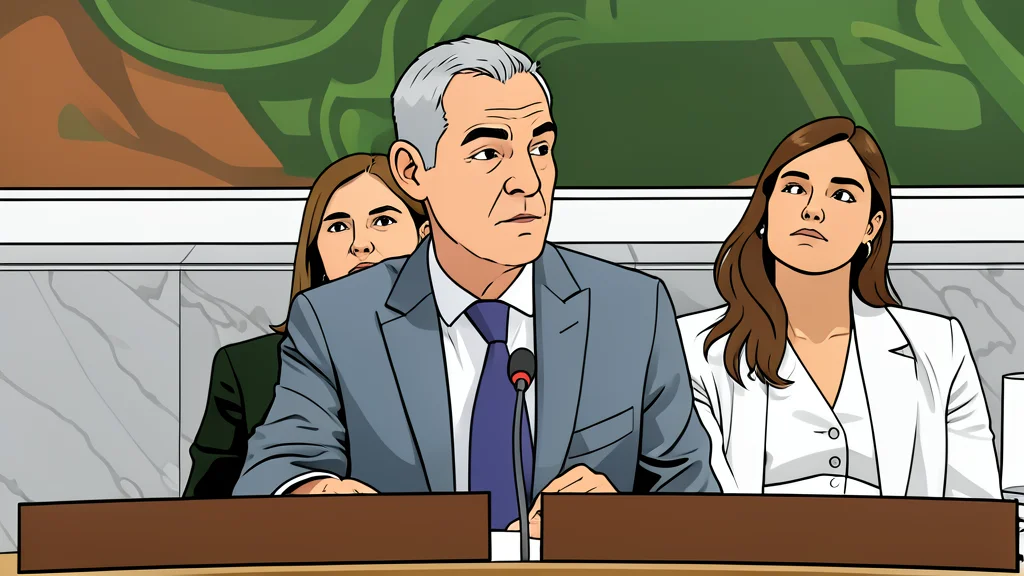
France urged the Security Council to adapt its counter-terrorism strategies to emerging technologies during a commemorative session marking the 25th anniversary of the 2001 attacks.
The United Nations Security Council convened on September 11, 2026, to observe a minute of silence for the victims of the 2001 attacks in the United States and for all those affected by terrorism globally. According to reports from GN geopolitics/terror (en-US), France’s Permanent Representative, Jérôme Bonnafont, used the occasion to address the press regarding the evolving nature of threats to international peace. The Council expressed solidarity with New York and the United States while reaffirming its commitment to countering terrorism as a persistent challenge.
Bonnafont noted that over the past quarter-century, the international community has established a robust framework to disrupt terrorist financing and limit recruitment. However, he emphasized that the threat landscape is shifting. The representative argued that the Council must adapt its response mechanisms to address the integration of new technologies, including drones, satellite communications, social media, and artificial intelligence, into terrorist operations.
Adapting Strategies for Emerging Technologies
The remarks highlighted a consensus that traditional counter-terrorism measures, while effective in the past, are insufficient against modernized threats. Bonnafont stressed the need for an effective system to counter the use of advanced tools by non-state actors. This perspective aligns with broader discussions within the Council about how to maintain unity in the face of technological advancements that outpace current regulatory frameworks.
According to the representative, the Council’s ability to remain unified is tested by the speed at which these technologies evolve. The call for adaptation suggests a strategic pivot toward intelligence sharing and technological monitoring as core components of future security resolutions. This approach aims to bridge the gap between legacy counter-terrorism policies and the digital realities of the 2020s.
Unanimous Statement Affirms Collective Commitment
Demonstrating its cohesion twenty-five years after the initial attacks, the Security Council unanimously adopted a presidential statement. The document reaffirmed the members’ determination to combat terrorism and their collective commitment to achieving a world free from such violence. The unanimous vote signaled a temporary alignment of interests among major powers, despite ongoing geopolitical tensions.
The statement served as a diplomatic marker of continuity, linking current actions to the foundational principles established in 2001. By framing the fight against terrorism as a shared goal, the Council attempted to project stability and resolve. This diplomatic move is observed as an effort to maintain the Council’s relevance in a fragmented international system.
Monitoring Future Policy Developments
Analysts suggest that the next phase of the Council’s work will focus on operationalizing the commitment to address technological threats. Watch for specific resolutions or working groups dedicated to regulating the dual-use nature of artificial intelligence and drone technology. The extent to which members agree on definitions and enforcement mechanisms will be a key indicator of the Council’s future effectiveness.
The coming months may see increased diplomatic activity regarding information sharing protocols and sanctions updates. The success of this renewed effort will likely depend on the willingness of all member states to prioritize counter-terrorism cooperation over other strategic divergences. The anniversary serves as a checkpoint, but the true test lies in the subsequent policy implementation.