OECD Trims UK 2027 Growth Forecast to 1.0%

The OECD has lowered its UK growth projection for 2027 to 1.0%, citing energy price pressures from Middle East conflicts.
Key points
- The OECD has lowered the UK's 2027 economic growth forecast to 1.0%, down from a previous estimate of 1.1%.
- The downgrade is attributed primarily to higher energy prices resulting from the ongoing conflict in the Middle East.
- Global growth is also expected to fall by 0.1%, with climate-related supply shocks posing additional risks to food prices.
The United Kingdom is expected to experience slower economic expansion in 2027 than previously anticipated, according to a new assessment by the Organisation for Economic Co-operation and Development. The international body has revised its forecast downward to 1.0%, marking a slight reduction from the 1.1% estimated in earlier projections.
This adjustment comes as global economic conditions face headwinds from prolonged geopolitical tensions. While the UK's outlook for 2026 has actually been improved to 1.1%, driven by robust domestic demand, the agency warns that rising energy costs will significantly impact growth in the following year.
Energy costs drive the downgrade
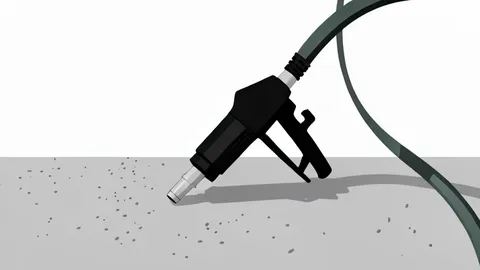
The primary factor behind the reduced 2027 outlook is the increase in fuel prices linked to the ongoing conflict in the Middle East. According to the OECD, these higher energy costs are eroding economic momentum and contributing to inflationary pressures across various sectors of the UK economy.
The extent of this impact remains contingent on the duration of supply disruptions. If the geopolitical situation persists, the agency suggests that the negative effects on growth could be more pronounced, further straining household budgets and business investment.
Global risks and climate factors
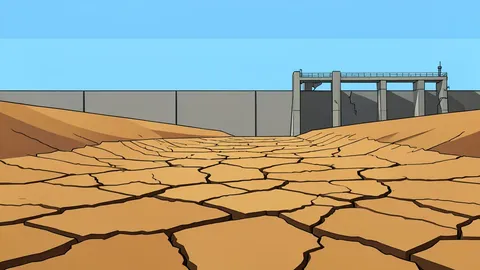
The OECD identifies two major risks to global economic stability: the Middle East conflict and climate-related supply shocks. Beyond energy, the agency notes that weather events, such as strong El Niño patterns, could disrupt agricultural output and drive up food prices, adding another layer of cost pressure.
These challenges are not unique to the UK. Global growth is projected to be 0.1% lower than expected, with other major economies including Australia, Canada, and the Euro area also facing similar headwinds from the same geopolitical and environmental factors.
Implications for upcoming budget
This revised forecast arrives just as Chancellor John Healey prepares to deliver his first Budget at the end of October. The economic backdrop, characterized by short-term domestic resilience but long-term external pressures, will likely influence the fiscal strategies and policy decisions outlined in the upcoming statement.
As reported by BBC Business, the UK's economic trajectory now hinges on how effectively policymakers can mitigate the impact of rising energy and food costs while maintaining domestic demand amidst a more volatile global environment.