Trump and Xi Meet in Washington Amidst Status Rivalry
A new analysis suggests the US-China dynamic is driven by competing needs for recognition rather than just strategic conflict.
Key points
- A new analysis frames US-China tensions through the lens of thymos, or the drive for status recognition, rather than just the Thucydides Trap.
- Xi Jinping’s status-seeking is described as collective and tied to national rejuvenation, while Trump’s is individualistic and focused on personal honor.
- The upcoming Washington summit is viewed as a stage for managing these competing egos, highlighting the fragility of personality-driven geopolitical stability.
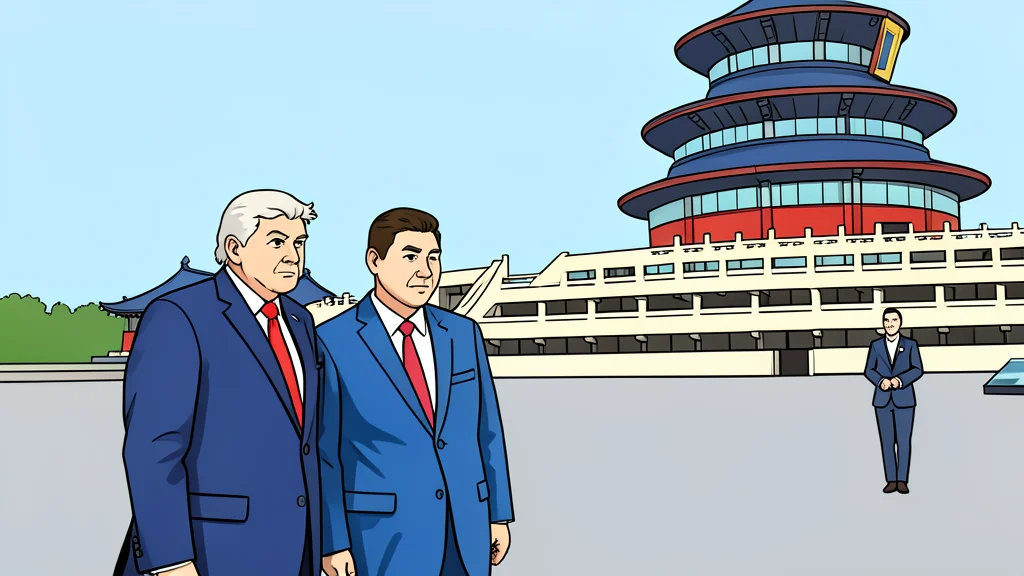
The upcoming summit between U.S. President Donald Trump and Chinese President Xi Jinping in late September sets the stage for a high-stakes encounter in Washington. This meeting follows a significant state visit by Trump to Beijing in May 2026, where the two leaders toured the historic Temple of Heaven complex. While the setting suggested traditional diplomatic ritual, observers noted the interaction felt more like a performance of mutual recognition than a discussion of cosmic or strategic order.
According to The Diplomat, this dynamic challenges the prevailing "Thucydides Trap" narrative, which posits that conflict between a rising power and an established one is inevitable. Instead, a new analytical framework proposes a "Thymos Trap," rooted in ancient Greek concepts of the soul’s desire for dignity and status. This lens suggests that the fragility of the current geopolitical order stems not merely from structural power shifts, but from the personal and national egos of the leaders involved, who derive legitimacy from projecting strength and demanding deference.
Thymos as a Geopolitical Driver
The concept of thymos, popularized by political philosopher Francis Fukuyama, distinguishes between the desire for equal recognition and the drive for superiority. In the context of US-China relations, this drive manifests differently for each leader. Xi Jinping’s approach is described as collective, linking his personal authority to the broader narrative of China’s rejuvenation and the reversal of historical humiliation. This form of megalothymia is institutionalized in state policy, making the leader’s ego inextricably linked to the nation’s status.
Divergent Approaches to National Status
Political philosopher Ye Xue notes that the cultural contexts in which these leaders operate shape their methods of seeking status. In the United States, where status is often relative and competitive, the cultural tendency leans toward individualistic demands for honor and dominance. In contrast, Chinese political culture is rooted in hierarchical stability, where status is relational and harmony is prioritized. Consequently, while Trump seeks conspicuous displays of deference to his individual persona, Xi focuses on the preservation of national "face" and the formal protocol that underscores China’s position in the global hierarchy.
Fragility of Personality-Driven Regimes
Despite their differing methods, both leaders stake their political legitimacy on the projection of strength and the management of national self-esteem. This creates a fragile equilibrium where diplomatic engagements become stages for managing ego rather than resolving substantive policy differences. As the White House prepares to host the September meetings, the focus remains on how these leaders will navigate their competing needs for recognition. The forward question is whether this status-driven dynamic will lead to further escalation or a cautious truce, as both sides attempt to project unwavering confidence while managing internal vulnerabilities.