Piddington's Symbolic Vote on Secession Amid Asylum Dispute
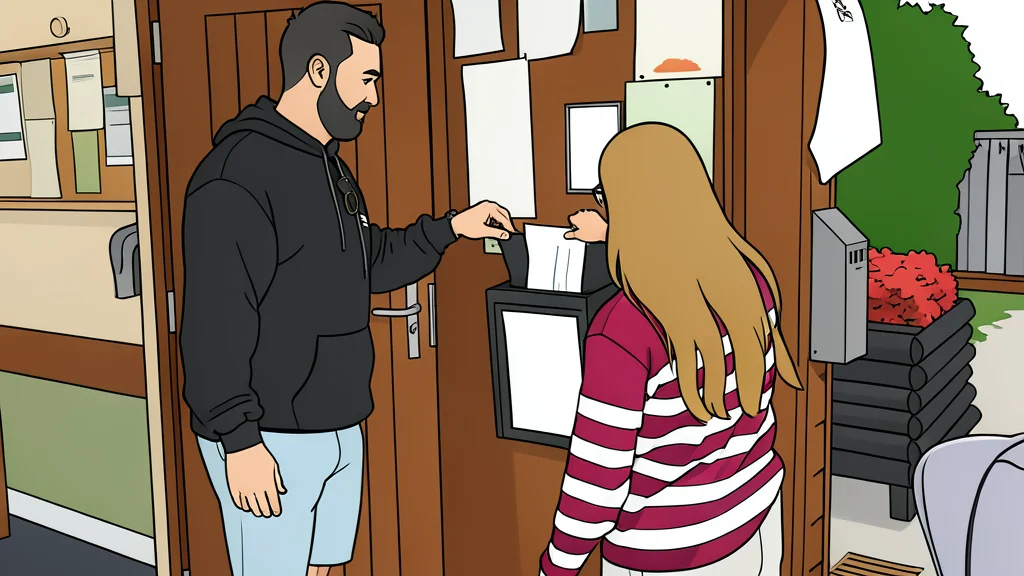
Residents of an Oxfordshire village held a non-binding referendum on leaving the United Kingdom in response to government plans to house asylum seekers at a nearby military site, highlighting deepening tensions over local autonomy and national policy.
Voters in Piddington, a small village in Oxfordshire, participated in a symbolic referendum on Tuesday to decide whether to seek independence from the United Kingdom. The vote was organized in response to Home Office proposals to accommodate up to 1,256 male asylum seekers at the former Ministry of Defence site in Bicester, located roughly half a mile from the village center. While the ballot holds no legal weight, it serves as a stark indicator of local frustration regarding what residents perceive as a lack of meaningful consultation.
The initiative was spearheaded by the local parish council after a July vote saw 96% of residents support holding a referendum on self-determination. According to Tim McNally, the chair of the council, the government has failed to engage adequately with community concerns regarding the scale of the proposed development. He argued that the current plan requires the village to assimilate to the new population rather than the reverse, describing the situation as disproportionate and dismissive of local input.
Government Response and Planning Status
A spokesperson for the prime minister stated that the government is committed to housing asylum seekers fairly across the country while engaging with local authorities to minimize community impact. The official noted that over one billion pounds has been saved on asylum support costs since the election and emphasized that no final decision has yet been made regarding the future use of the Bicester site. The Home Office is currently undergoing a public consultation and has submitted an application for planning permission, having previously utilized an urgent crown development procedure to fast-track the process due to its perceived national importance.
Planning documents released by the Home Office describe the development as self-contained, with essential facilities available on-site to reduce the need for travel and interaction with the local community. However, this characterization is contested by many villagers who fear that the sheer volume of new residents will fundamentally alter the character and safety of their neighborhood. The government maintains that former military sites are ideal for such purposes because they are designed to be isolated, yet local opposition remains fierce.
Community Sentiment and Historical Parallels
For many residents, the vote is less about literal secession and more about asserting a voice in national decision-making. One voter, Herbert Owen, compared the sentiment to the Battle of Britain, suggesting that the issue represents a broader struggle for the values his family has upheld. His wife, Jennifer Owen, noted that while leaving the UK is not practically feasible, the act of voting brings the underlying tensions in the country into the open. They expressed concern that the proposals, if implemented, would permanently change their daily lives and sense of security.
The situation has drawn comparisons to the classic comedy Passport to Pimlico, where a village discovers it is technically French territory, though the current mood is far more serious. Last week, 133 women from the village wrote to every female Member of Parliament, stating that their lives as they know them would be destroyed if the plans proceed. They cited fears for personal safety and a feeling of being disenfranchised by a central government that they believe is ignoring their specific concerns in favor of broader political goals.
Outcomes and Future Implications
According to reporting by GN geopolitics/migration, the outcome of the referendum is expected to be announced on Wednesday morning. The ballot paper asked residents to indicate support or opposition to Piddington seeking to secede and pursue self-determination. Regardless of the result, the vote underscores a significant disconnect between local communities and national housing policies. It highlights a growing trend where symbolic political actions are used to pressure central authorities when standard channels of democratic engagement feel insufficient.
Looking ahead, the primary question is how the government will respond to this concentrated display of local opposition. While the referendum itself is non-binding, the intensity of the reaction may influence the tone of the ongoing public consultation. Observers will watch whether the Home Office adjusts its communication strategy or if the planning process continues unchanged. The case of Piddington may become a reference point for other communities facing similar large-scale housing proposals, testing the limits of local autonomy in the face of national mandates.