UK Returns Scheme Costs £56,000 per Migrant, Home Secretary Confirms
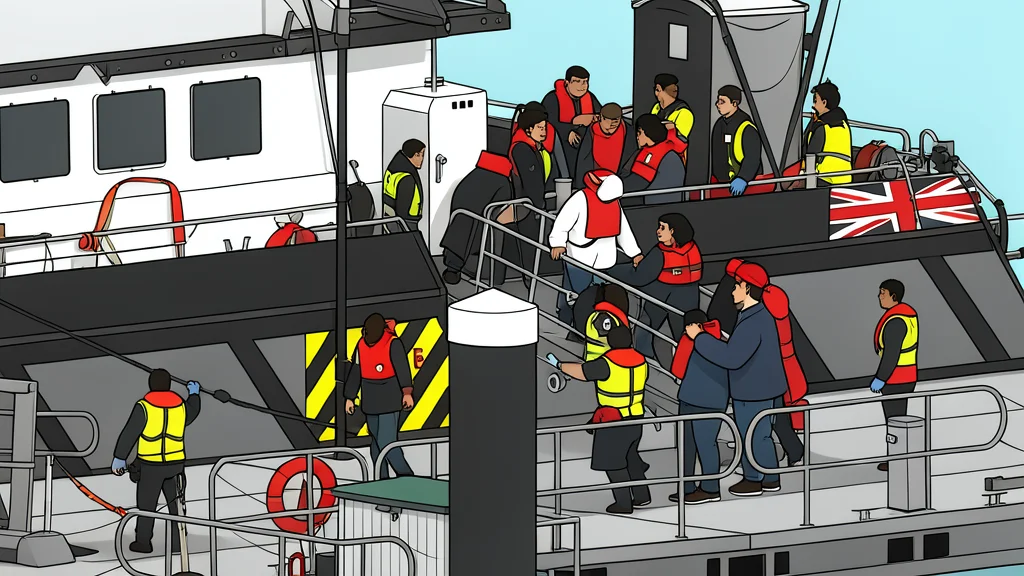
The Home Secretary disclosed that the reciprocal migration deal with France has cost an average of £56,000 per individual, a figure comparable to the annual hotel accommodation expenses for asylum seekers.
The British government has disclosed that its reciprocal migration arrangement with France has incurred an average cost of £56,000 per returned migrant. Shabana Mahmood, the Home Secretary, provided these figures during a session with the home affairs committee, noting that the total expenditure for the scheme reached £78 million since its launch last summer. This sum covers detention, security, legal fees, and the transport of reciprocal asylum seekers from France to the UK. According to GN geopolitics/migration (en-US), the cost per person is roughly equivalent to the taxpayer burden of housing an asylum seeker in a hotel for one year.
The "one in, one out" pilot scheme involves the UK deporting irregular migrants across the Channel to France in exchange for a similar number of vetted asylum seekers. While the government maintains that the scheme acts as a deterrent, critics point to the continued volume of crossings. Ms. Mahmood acknowledged that operational challenges persist, particularly in scaling up removals, and admitted that the number of participants remains relatively small. She stated that the primary goal is to prove the viability of such a deal and to test behavioral changes among migrants.
Political Scrutiny of Deterrent Effect
Questions from committee members highlighted that approximately 28,000 migrants have crossed the Channel since the scheme began, raising doubts about its effectiveness as a deterrent. In response, Ms. Mahmood cited reports from charities and NGOs suggesting that some migrants are hesitant to board boats due to the risk of being returned under the deal. She described the deterrent effect as present but noted that the scheme is still in its pilot phase. The Home Secretary emphasized that the government is assessing various factors to understand what influences migrant decision-making and how to improve the operational flow of returns.
The French government has signaled its intention to end the pilot scheme when it expires next month, proposing instead a broader Europe-wide returns agreement. Negotiations are ongoing, with the UK seeking to extend the current pilot beyond October 1. Meanwhile, the government is exploring EU-led plans for return hubs in third countries, a concept being considered by Italy, Germany, and Denmark. These hubs would allow for the transfer of failed asylum seekers who cannot be returned to their countries of origin, potentially offering a more sustainable long-term solution to the migration challenge.
Alternative Incentives and Cost Comparisons
In addition to the reciprocal deal, the UK has trialed a voluntary return scheme offering failed asylum-seeking families up to £40,000 to leave the country. Ms. Mahmood noted that while the number of families participating in this trial has been small, the offer can represent better value for money compared to the costs of enforced removals or prolonged hotel accommodation. She argued that the financial incentive helps migrants resettle in their home countries, trading off access to free healthcare and education in the UK for immediate financial support.
Despite these measures, the number of Channel crossings has decreased by more than 40 percent this year to around 17,000. The Home Secretary attributed this decline to coordinated international operations disrupting smuggler networks and increased French police presence on beaches, funded by a new £662 million, three-year agreement. The government continues to evaluate the effectiveness of these combined strategies, aiming to reduce irregular migration while managing the logistical and financial burdens associated with border control and asylum processing.
Future Negotiations and European Cooperation
As the current pilot nears its end, the focus is shifting toward broader European cooperation. The UK is engaging with EU partners to develop more comprehensive frameworks for managing migration flows, including the potential use of third-country hubs. This approach seeks to address the root causes of migration and provide legal pathways for those in need of protection, while ensuring that those without valid claims are returned efficiently. The outcome of these negotiations will likely shape the future of UK migration policy and its relationship with France and other European nations.