Poland Evacuates Border Crossings Amid Drone Threats
Emergency evacuations at key Polish-Ukrainian border points followed a recent drone strike near Dorohusk, prompting heightened security measures and temporary suspension of vehicle processing.
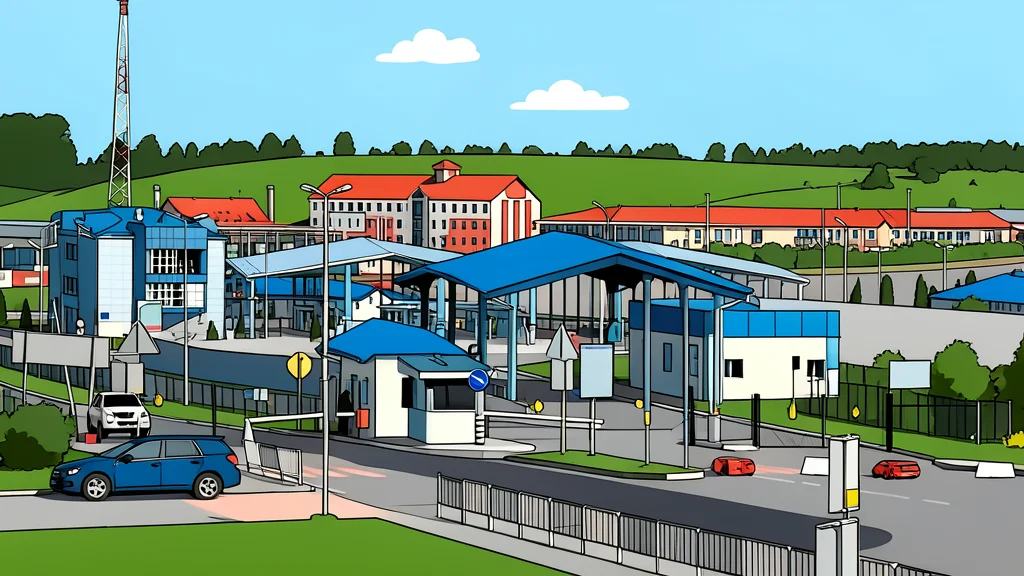
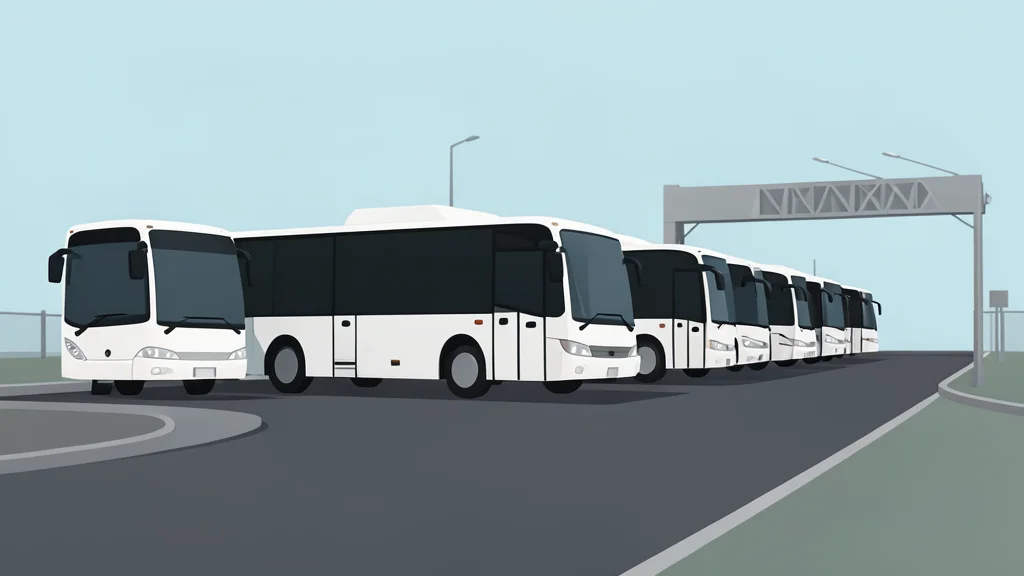
Polish authorities evacuated more than 600 individuals from two major border crossings with Ukraine overnight, citing an acute threat from Russian drone activity. The emergency response was triggered after a drone struck a petrol station approximately two kilometers from the Dorohusk crossing, resulting in a blast powerful enough to shake windows in nearby border guard facilities. According to reports from the Nadbużański Border Guard Unit, the incident forced the immediate relocation of passengers from five buses, along with border guard and customs personnel, to designated shelters.
The disruption affected the Dorohusk–Yahodyn and Hrebenne–Rava-Ruska routes, where operations were temporarily halted. Ukrainian services had issued multiple warnings to their Polish counterparts over the preceding days, requesting the suspension of vehicle processing due to the risk of strikes. In response, Poland implemented strict security protocols, moving passenger buses away from the crossings during air-raid alerts to mitigate potential casualties.
Security Measures and Evacuation Details
At the Dorohusk crossing, more than 280 people were evacuated, including passengers and staff from the Customs and Tax Administration. At the neighboring Hrebenne crossing, the figure exceeded 300, with over 280 passengers and 66 border and customs employees taking shelter. Officials noted that while an unidentified object was detected moving toward the Hrebenne facility, military consultations did not confirm an immediate threat of a strike on the structure itself.
In addition to personnel safety, authorities addressed the risk posed by vehicles carrying hazardous materials, such as fuel. Long queues of such vehicles near the border crossings presented a secondary danger in the event of an attack. Consequently, police and border guards began relocating these transport vehicles to areas farther from the checkpoint infrastructure to reduce the potential impact of any future incidents.
Context of Recent Drone Activity
The evacuations follow a pattern of increased drone activity in the region. On September 12, Polish services received specific requests from Ukrainian counterparts to suspend operations at the Dorohusk and Zosin–Ustyluh routes. Earlier that week, similar warnings were issued for the Dorohusk crossing. On Sunday morning, a drone attack was also detected on a backup railway line in Ukrainian territory, hitting a freight train carrying empty tank cars, further illustrating the proximity of these threats to the shared border.
According to GN geopolitics/migration (en-US), the Polish government is preparing for a potential increase in Russian military activity in the coming weeks. Prime Minister Donald Tusk attended an emergency meeting at the Government Security Centre via video link, underscoring the high-level attention given to the situation. Authorities are not ruling out the risk of escalation spreading to Polish territory, prompting a review of protective measures for border staff.
Future Risk Assessment and Response
Polish border guards have proposed strengthening the physical protection of employees stationed along the state border. Proposed solutions include installing structures that provide shelter without obstructing surveillance capabilities. As the situation remains volatile, the focus remains on maintaining operational readiness while ensuring the safety of both civilian travelers and military personnel managing the border crossings.
The forward question now centers on whether these temporary suspensions will become a more permanent feature of border operations. Observers will watch for further updates on the status of the Dorohusk and Hrebenne crossings, as well as any new diplomatic or military communications between Poland and Ukraine regarding the management of drone threats in the region.