Oman Postpones Hormuz Talks Amid Regional Disagreements
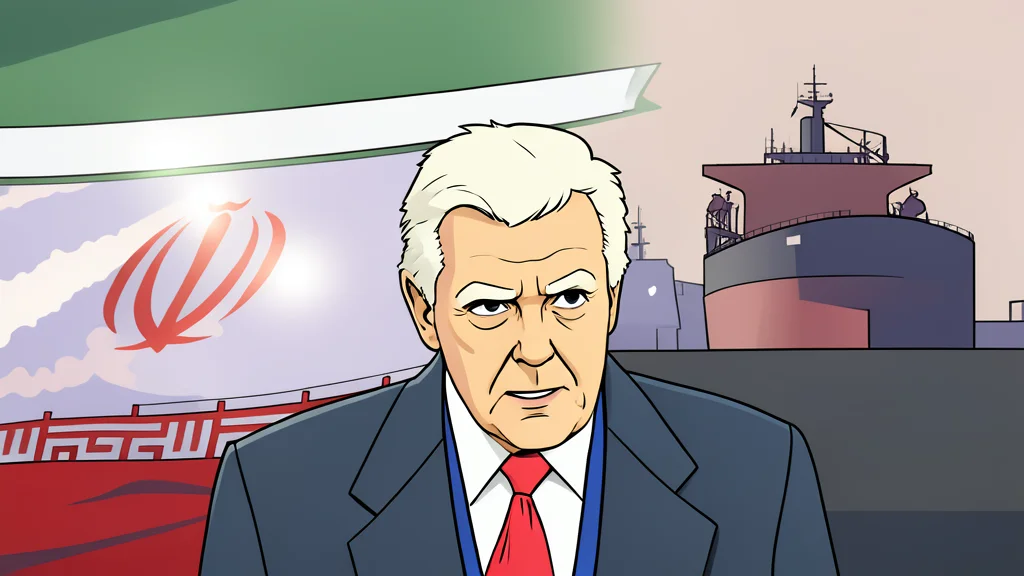
Negotiations to restore tanker traffic in the Strait of Hormuz have been delayed, highlighting deep divisions over tolls and the role of the United States in regional security frameworks.
Representatives from Iran and several Gulf states were set to convene in Oman on Monday to finalize a framework for restoring regular tanker traffic through the Strait of Hormuz. However, Omani Foreign Minister Badr Albusaidi announced shortly before the scheduled meeting that the talks had been postponed to ensure conditions for constructive dialogue. The Omani Foreign Ministry stated that this decision was made in the interests of consensus, aiming to facilitate stable understandings among the parties involved.
According to a senior Iranian Foreign Ministry official cited by Al Jazeera, the postponement was a joint decision by Tehran and Oman, requested by certain regional countries. This delay underscores the fragility of the process, which has been underway for months to address commercial traffic levels that remain significantly below pre-war norms. While Oman has led the mediation efforts, the core dispute over legal frameworks for safe passage remains unresolved, leaving key stakeholders in a state of cautious uncertainty.
Dispute Over Mandatory Transit Fees
A central point of contention is Iran’s demand for mandatory payments from vessels transiting the strait. Previously, commercial ships did not pay for passage, and both the United States and regional nations initially opposed any arrangement that would create a new revenue source for Tehran. However, after months of disruptions and soaring energy prices, some positions have softened. A European diplomat briefed on the proposal suggested that agreeing on symbolic new rules might allow both sides to save face, according to CNN.
Oman’s proposal includes the possibility of voluntary payments in exchange for navigational safety and environmental protection services, which could serve as a compromise. Nevertheless, broad opposition to mandatory tolls persists among many regional actors. The lack of agreement on shipping lanes and maps has further complicated the negotiations, as countries strive to define a legal structure that ensures security without ceding economic control to one party.
United States Focuses On Nuclear Program
The absence of the United States from these talks is a significant factor, as Washington has prioritized negotiations regarding Iran’s nuclear program over the management of the strait. A U.S. official told CNN that the administration does not want to discuss the strait, stating that they will only engage if the nuclear file is the primary topic. This stance contrasts with Tehran’s perspective, which links the reopening of the strait to the United States meeting specific conditions set by Iran.
Regional Participants Await Breakthroughs
Saudi Arabia, the United Arab Emirates, Qatar, Kuwait, and Iraq are among the countries involved in the discussions, according to Reuters. Bahrain, however, has stated it will not participate until diplomatic relations with Iran are restored. Regional officials stress that no immediate breakthrough is expected, noting that resolving the strait issue is urgent but requires starting from a position of shared ground. The GN auto geopolitics/middle-east: Iran nuclear desk observes that while alternative export routes are being expanded, regional nations are reluctant to accept limited traffic as the new normal.